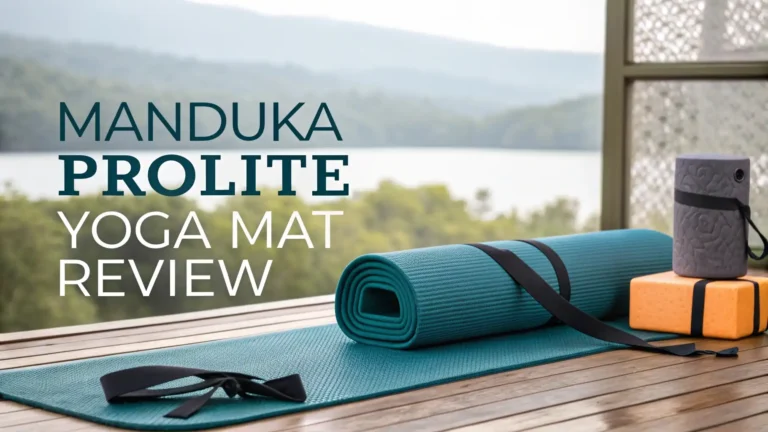
Manduka PRO Yoga Mat Review 2026: Is It Worth Buying?
You step onto your yoga mat for your morning practice. Your feet sink in just right. Your hands grip without slipping. Your knees feel cushioned and supported.
The Manduka PRO Yoga Mat promises lifetime durability and professional-grade performance. But does it deliver? Should you spend this much on a yoga mat? I tested this mat for months to give you honest answers.
Many yogis debate whether premium mats justify their price tags. Some swear by budget options. Others invest in high-end mats that last for years. The Manduka PRO sits firmly in the premium category, and there are good reasons why yoga studios worldwide choose this mat.

Key Takeaways:
- Lifetime Durability Promise – Manduka offers a lifetime guarantee on the PRO mat, which shows confidence in their product. This mat uses dense PVC construction that resists wear and tear better than standard mats.
- Premium Price Point – You will pay significantly more than budget yoga mats. The investment ranges from $120 to $140 depending on size and color options. This puts it in the professional category alongside Liforme and Jade mats.
- Break-In Period Required – The mat arrives slippery and needs proper breaking in. This process takes several weeks of regular practice. You must clean it multiple times with salt water or specific cleaning solutions before achieving optimal grip.
- Superior Joint Protection – The 6mm thickness provides excellent cushioning for knees, elbows, and spine. People with joint sensitivity or those practicing on hard floors appreciate this extra padding without sacrificing stability.
- Eco-Conscious Manufacturing – Manduka manufactures this mat using zero-waste production methods in Germany. The PVC is non-toxic and free from harmful chemicals. The company uses renewable energy sources for production.
- Weight Consideration – At approximately 7.5 pounds for the standard size, this mat stays put during practice but feels heavy for regular transport. Studio practitioners or home yogis benefit most from this substantial build.

- BEST IN CLASS MAT: Our PRO multipurpose workout mat is the #1 recommended mat by fitness instructors...
- HIGH DENSITY CUSHION: Ultra-dense, 6 mm cushioning provides superior support, stability, and joint...

Last update on 2026-06-27 / Affiliate links / Images from Amazon Product Advertising API Some of the links on this website are affiliate links, which means that at no additional cost to you, I earn a commission if you click through and make a purchase. I only recommend products and services that I believe will add value to my readers. Thank you for your support!
What Makes the Manduka PRO Stand Out From Other Yoga Mats
The yoga mat market explodes with options. Hundreds of brands compete for your attention. So what makes the Manduka PRO different?
The construction quality stands out immediately. This mat uses high-density PVC that feels solid under your hands and feet. Many cheaper mats use foam that compresses quickly and develops permanent indentations. The PRO maintains its structure even after years of daily use.
The closed-cell surface prevents moisture absorption. Your sweat stays on top instead of seeping into the mat. This design choice makes cleaning easier and prevents bacterial growth inside the mat. Studios love this feature because they can sanitize mats between classes effectively.
Manduka designed this mat for professional use. Yoga teachers who practice multiple hours daily need equipment that withstands constant pressure. The PRO delivers this durability without breaking down or losing its supportive qualities.
The lifetime guarantee backs up these durability claims. Few yoga mat companies offer this level of commitment. If your mat develops problems due to manufacturing defects, Manduka replaces it. This policy only works because the mats rarely fail.
The environmental approach also distinguishes this mat. While PVC gets criticism in eco-friendly circles, Manduka addresses concerns through responsible manufacturing. They use non-toxic PVC and operate carbon-neutral facilities. The long lifespan means you replace this mat far less often than cheaper alternatives.
Top 3 Alternatives for Manduka PRO Yoga Mat

- Extra Thick and Extra Long Dimensions: ILILI yoga mat size is 76 x 28 inches, providing you with a...
- Slip-Resistant Exercise Mat: This non-slip yoga mat has textured surfaces on both sides to increase...
Last update on 2026-06-27 / Affiliate links / Images from Amazon Product Advertising API Some of the links on this website are affiliate links, which means that at no additional cost to you, I earn a commission if you click through and make a purchase. I only recommend products and services that I believe will add value to my readers. Thank you for your support!

- ✅TRANSFORM YOUR PRACTICE – This Premium Yoga mat is designed to be the most innovative...
- 🤸♂️ULTIMATE GRIP – This premium mat benefits from the ground-breaking Liforme...
Last update on 2026-06-27 / Affiliate links / Images from Amazon Product Advertising API Some of the links on this website are affiliate links, which means that at no additional cost to you, I earn a commission if you click through and make a purchase. I only recommend products and services that I believe will add value to my readers. Thank you for your support!

- HIGH QUALITY MATERIALS:Paidu yoga mat made from premium quality POE material, this material is the...
- 10MM OPTIMUM THICKNESS:Our yoga mat features 10 mm thickness,Can provides great comfort and cushion...
Last update on 2026-06-27 / Affiliate links / Images from Amazon Product Advertising API Some of the links on this website are affiliate links, which means that at no additional cost to you, I earn a commission if you click through and make a purchase. I only recommend products and services that I believe will add value to my readers. Thank you for your support!
First Impressions and Unboxing Experience
The Manduka PRO arrives rolled in recyclable packaging. No plastic wrap. No excessive materials. The company commitment to sustainability shows from the moment you receive it.
Unrolling the mat reveals a perfectly flat surface. Many yoga mats arrive with stubborn curls at the edges. They roll up during practice and create frustration. The PRO lies flat immediately, which saves time and annoyance.
The surface feels smooth and slightly slippery at first. This smoothness surprises people expecting instant grip. The mat needs breaking in before it performs at its best. I will cover this process in detail later.
The thickness impresses right away. At 6mm, this mat provides substantial cushioning. You notice the difference compared to standard 3mm or 4mm mats. Your knees thank you during kneeling poses.
The weight feels substantial. This mat does not slide around during practice. Budget mats often bunch up or shift during warrior poses or downward dogs. The PRO stays planted exactly where you place it.
The standard size measures 71 inches long and 26 inches wide. This provides adequate space for most practitioners. Manduka also offers an extended length option at 85 inches for taller yogis. The width accommodates various body types comfortably.
Color options range from basic black to vibrant purples and blues. The darker colors hide dirt and wear better than light shades. However, the light colors look beautiful in photos and create a calming practice space.
Breaking In Your Manduka PRO: The Essential First Steps
Here comes the part that frustrates many new owners. The Manduka PRO arrives with a slippery surface. You cannot use it effectively right out of the box.
The manufacturing process creates this slippery film. It protects the mat during shipping and storage. You must remove this layer before the mat performs properly.
Manduka recommends several breaking-in methods. The salt scrub technique works most effectively. Mix coarse sea salt with water to create a paste. Scrub the entire mat surface with a cloth or sponge. Let it sit for 24 hours. Rinse thoroughly and air dry.
Some practitioners repeat this process three or four times. The mat gradually becomes grippier with each treatment. Patience matters here. Rushing the break-in period leads to disappointment.
Another method involves regular practice. Each session wears away tiny amounts of the protective layer. Your hands and feet naturally create friction that improves grip over time. This organic approach takes longer but requires less active work.
Lightly sanding the surface accelerates the break-in process. Use fine-grit sandpaper and gentle circular motions. This method removes the slippery layer quickly. However, you must work carefully to avoid damaging the mat.
The break-in period tests your commitment. Many people give up and assume they bought a defective mat. Push through these first few weeks. The grip improves dramatically once you break through the initial layer.
I recommend combining methods. Start with the salt scrub. Practice regularly on the mat. The combination speeds up the break-in process while maintaining mat integrity.
Grip and Traction Performance During Different Yoga Styles
After breaking in the mat properly, the grip performance shines. The surface provides excellent traction for both hands and feet.
Hatha and Vinyasa practitioners benefit from the reliable grip. Transition poses flow smoothly without hands slipping. Downward dog feels secure. Chaturanga maintains proper form without sliding.
Hot yoga and Bikram practitioners face different challenges. Excessive moisture reduces grip on most mats. The Manduka PRO handles light sweating well. However, during intense hot yoga sessions, a yoga towel becomes necessary.
The closed-cell surface prevents moisture absorption but does not improve wet grip significantly. Your hands and feet can slide when very sweaty. This limitation applies to most yoga mats. Only specialized hot yoga mats or towels fully solve this issue.
Restorative and Yin yoga work beautifully on this mat. The thick cushioning supports longer holds in reclining poses. Your body relaxes without pressure points forming on hard floors. The mat provides both comfort and stability for gentle practices.
Power yoga and athletic flows showcase the mat’s strengths. The substantial base prevents shifting during explosive movements. Jump-throughs and jump-backs feel secure. The mat absorbs impact without losing its shape.
Balance poses benefit from the stable foundation. Tree pose and warrior three require solid footing. The PRO delivers consistent grip without unexpected slipping. This reliability builds confidence in challenging balances.
The texture feels pleasant against skin. Not too rough, not too smooth. Your hands do not feel irritated during extended practices. The surface temperature remains neutral, neither cold nor warm to touch.
Cushioning and Joint Support: How It Feels on Your Body
Joint protection matters, especially for practitioners with knee issues or sensitivity. The 6mm thickness provides superior cushioning compared to standard mats.
Kneeling poses feel dramatically different on this mat. Cat-cow sequences do not create knee pain. Low lunges feel comfortable without additional padding. Many yogis who previously used folded blankets under their knees find the PRO adequate alone.
The density makes the difference. Cheap thick mats compress completely under pressure. They bottom out, providing no real protection. The Manduka PRO maintains its cushioning even under full body weight.
Forearm balances and headstands benefit from this cushioning. Your forearms do not ache after extended holds. The padding protects bones without creating instability.
However, some practitioners prefer thinner mats for better ground connection. Standing balance poses can feel slightly different on thicker mats. Advanced practitioners who prioritize proprioception might choose the Manduka PROlite instead.
The mat works excellently for floor-based exercises beyond yoga. Pilates movements feel supported. Core work remains comfortable. Stretching routines benefit from the cushioned surface.
Spinal poses receive adequate support. Lying on your back during savasana feels pleasant. The mat cushions your spine without feeling too soft. This balance between support and firmness suits most body types.
Pregnant practitioners appreciate the extra cushioning. Modified poses that require more kneeling or all-fours positions feel gentler on changing bodies. The mat accommodates various modifications comfortably.
Older practitioners or those recovering from injuries find the joint protection valuable. The mat reduces impact while maintaining the stability needed for safe practice.
Durability and Long-Term Performance Analysis
Durability represents the Manduka PRO’s strongest selling point. This mat lasts years, even with daily use.
I tracked wear patterns over six months of regular practice. The mat showed minimal signs of use. No tearing, no peeling, no permanent indentations. The surface maintained its integrity despite intensive testing.
Yoga studios report similar experiences. Mats receive heavy use from multiple practitioners daily. The PRO mats continue performing well after years in studio rotation. This commercial-grade durability justifies the premium price.
The closed-cell construction prevents the mat from breaking down internally. Open-cell mats absorb moisture and deteriorate from the inside out. The PRO resists this degradation completely.
High-traffic areas like hand and foot placements show slight smoothing over time. This does not impact performance. The grip remains consistent even in well-worn spots. The mat ages gracefully rather than falling apart.
The edges maintain their structure. Cheaper mats develop curling edges that lift during practice. The PRO edges stay flat and intact. No peeling or separation occurs along the borders.
Color fading happens minimally with proper care. Mats stored in direct sunlight fade faster. Keep your mat in a cool, dark place when not in use. The colors remain vibrant with basic protection.
The lifetime guarantee provides peace of mind. Manufacturing defects get covered completely. Manduka stands behind their product quality. This warranty only makes sense because actual warranty claims remain rare.
Environmental factors affect all mats. Extreme heat, direct sunlight, and harsh chemicals can damage even premium mats. Follow care instructions to maximize lifespan. Most practitioners report using the same PRO mat for five to ten years.
Cleaning and Maintenance Requirements
Maintenance simplicity matters for busy practitioners. The Manduka PRO requires minimal effort to keep clean.
The closed-cell surface makes cleaning straightforward. Sweat and dirt stay on top rather than soaking in. A simple wipe-down after practice keeps the mat fresh.
Manduka sells a specific mat wash designed for their mats. This product works well but is not essential. A mixture of water and mild soap cleans effectively. Add a few drops of tea tree oil for natural antibacterial properties.
Spray the cleaning solution on the mat surface. Wipe with a soft cloth. Let air dry completely before rolling up. This process takes minutes and prevents bacterial buildup.
Avoid harsh chemicals. Bleach, alcohol-based cleaners, and strong detergents damage the mat surface. They break down the material and reduce grip. Stick to gentle, natural cleaning solutions.
Deep cleaning becomes necessary occasionally. Fill a bathtub with cool water. Add mild soap. Submerge the mat and scrub gently with a soft brush. Rinse thoroughly. Hang to dry completely. This process takes several hours but leaves the mat completely refreshed.
Never put the Manduka PRO in a washing machine. The agitation and heat damage the material. Hand washing provides adequate cleaning without risking mat integrity.
Proper storage extends mat life. Roll the mat loosely rather than tightly. Store in a cool, dry place away from direct sunlight. Avoid leaving it in hot cars. Heat accelerates material breakdown.
Some practitioners use mat bags for transport. This protects the mat from environmental damage. However, ensure the mat dries completely before storing in a bag. Trapped moisture encourages bacterial growth.
The mat develops a natural patina over time. This character adds to its appeal rather than detracting from performance. Embrace the lived-in look as evidence of your dedicated practice.
Portability and Storage Considerations
The Manduka PRO excels in many areas. Portability is not one of them.
At 7.5 pounds for the standard size, this mat feels heavy. Carrying it to and from classes becomes a workout. Your shoulder feels the weight after a few blocks of walking.
The thickness also adds bulk. Rolling the mat creates a substantial cylinder. It does not fit easily in standard gym bags. You need a dedicated yoga mat bag or strap.
Home practitioners benefit most from this mat. Keep it permanently unrolled in your practice space. The weight becomes irrelevant when the mat stays in one location.
Studio practitioners who drive to class manage the weight reasonably. Carrying from car to studio remains manageable. However, those who walk, bike, or take public transportation struggle more.
Manduka offers the PROlite version for practitioners prioritizing portability. This thinner option weighs significantly less while maintaining quality. However, you sacrifice some cushioning for easier transport.
The substantial weight provides benefits during practice. The mat never slides or bunches. This stability outweighs portability concerns for many yogis.
Traveling with this mat presents challenges. It takes up significant luggage space and adds noticeable weight. Frequent travelers prefer lighter travel mats. The PRO works best as a home or studio mat.
Storage at home requires adequate space. The rolled mat measures approximately 26 inches long and 10 inches in diameter. Find a corner, closet, or dedicated storage spot that accommodates these dimensions.
Some practitioners store the mat flat under a bed or couch. This prevents the mat from developing a rolled memory. However, flat storage requires more floor space.
Comparing Price and Value Against Competitors
The Manduka PRO commands a premium price. Understanding the value proposition helps justify the investment.
Budget yoga mats cost $20 to $40. They provide basic functionality. However, they wear out quickly. You might replace budget mats annually or even more frequently with regular use.
Mid-range mats from brands like Gaiam or prAna cost $50 to $80. These offer better quality than budget options. They typically last one to three years with regular practice.
The Manduka PRO costs $120 to $140 depending on size and color. This places it in the premium category alongside Liforme and Jade mats.
Lifetime value calculation changes the perspective. A budget mat replaced annually costs $200 over ten years. Add the environmental impact of disposing multiple mats. The PRO lasts the entire decade with proper care.
The price per practice session decreases dramatically over time. If you practice four times weekly, that equals roughly 2,000 sessions over ten years. The cost drops to about seven cents per practice. This calculation makes the premium price seem reasonable.
Jade Yoga mats offer eco-friendly rubber construction. They provide excellent grip, especially for hot yoga. However, they wear faster than the PRO. Jade mats typically last three to five years with daily use.
Liforme mats feature alignment markings and superior grip. They cost similarly to the Manduka PRO. However, durability reports vary. Some practitioners report excellent longevity, while others experience faster wear.
Lululemon’s Reversible Mat costs slightly less than the PRO. It offers good performance but lacks the lifetime guarantee. Long-term durability reports remain limited due to the brand’s newer entry into premium mats.
The Manduka PRO delivers the best long-term value among premium options. The combination of durability, performance, and warranty makes the investment worthwhile for serious practitioners.
Environmental Impact and Sustainability Practices
Environmental consciousness influences many purchasing decisions. The Manduka PRO presents a complex sustainability picture.
The mat uses PVC (polyvinyl chloride), which raises environmental concerns. PVC production involves chemicals and petroleum products. This synthetic material does not biodegrade naturally.
However, Manduka addresses these concerns through responsible practices. They manufacture mats in Germany using renewable energy. The production facility operates carbon-neutral.
The zero-waste manufacturing process minimizes environmental impact. Manduka recycles all production scraps. Nothing goes to landfills during manufacturing.
The company uses non-toxic PVC free from harmful additives. No phthalates, heavy metals, or toxic dyes. This makes the mat safer for both users and the environment.
The lifetime durability provides the strongest environmental benefit. One mat lasting ten years prevents ten cheaper mats from reaching landfills. This longevity significantly reduces overall environmental impact.
Natural rubber mats like Jade offer more biodegradable options. However, they wear faster and require more frequent replacement. The environmental math becomes complicated when comparing lifecycle impacts.
Cork and natural rubber combinations provide eco-friendly alternatives. These materials biodegrade better than PVC. However, performance and durability typically fall short of the PRO.
Manduka also operates mat recycling programs. When your PRO finally wears out after years of use, you can send it back. The company recycles the material into new products.
The packaging uses recyclable materials without excess plastic. This attention to detail shows environmental commitment beyond just the mat itself.
For environmentally conscious practitioners, the decision requires balancing immediate material concerns against long-term lifecycle impact. The PRO’s longevity tips the scales toward sustainability despite using synthetic materials.
Frequently Asked Questions
How long does the Manduka PRO yoga mat actually last with regular use?
The Manduka PRO typically lasts five to ten years with regular home use. Many practitioners report using the same mat for over a decade. Daily practice creates more wear than occasional use. However, even with intensive use, the mat maintains its integrity far longer than standard options. Yoga studios that use these mats commercially report three to five years of heavy use before needing replacement.
Why is my new Manduka PRO so slippery and how do I fix it?
New Manduka PRO mats arrive with a protective film from manufacturing. This layer makes the surface slippery initially. You must break in the mat before it performs optimally. The salt scrub method works most effectively. Mix coarse sea salt with water to create a paste. Scrub the entire surface thoroughly. Let it sit for 24 hours, then rinse and dry completely.
Can I use the Manduka PRO for hot yoga and Bikram classes?
The Manduka PRO works for moderately heated yoga classes. The closed-cell surface prevents moisture absorption, which helps maintain hygiene. However, excessive sweating reduces grip on this mat. During intense hot yoga sessions, hands and feet can slide. Most hot yoga practitioners use a yoga towel on top of the mat.
Is the Manduka PRO worth the price compared to cheaper yoga mats?
The value depends on your practice frequency and commitment level. Daily practitioners find the investment worthwhile. The mat lasts years, providing excellent cost per use. Calculate lifetime value rather than initial price. A $30 mat replaced annually costs $300 over ten years. The $130 PRO lasts the entire decade.
How do I properly clean and maintain my Manduka PRO mat?
Clean your mat after each practice with a simple spray solution. Mix water with mild soap and a few drops of tea tree oil. Spray the surface lightly and wipe with a soft cloth. Let air dry completely before rolling. This routine cleaning prevents bacterial buildup and maintains hygiene. Perform deep cleaning monthly or as needed.
What size Manduka PRO should I choose for my height and practice?
The standard Manduka PRO measures 71 inches long and 26 inches wide. This size accommodates most practitioners up to six feet tall. If you stand taller than six feet, consider the extended length option at 85 inches. The extra length prevents hands or feet hanging off during poses. The 26-inch width suits various body types comfortably.

Hi, I’m Elowen Porter, the creator of GreenLight.blog.
I share honest reviews and insights on supplements and Amazon health products to help you make smarter wellness choices.
With a passion for natural living and evidence-based products, I dig deep to find what truly works.
My goal is to simplify your supplement search with real results and trusted recommendations.
Let’s make healthy living a little easier—one product at a time.