Rollga Foam Roller Review 2026: Worth Your Money?
If you have ever rolled your back on a regular foam roller and felt your spine crunch against the hard surface, you already know the problem.
Traditional foam rollers press directly onto bones, joints, and tendons. That causes discomfort instead of relief. The Rollga foam roller claims to fix this with its patented contoured shape that cradles your body’s natural curves.
I spent weeks testing this roller. I used it after workouts, during morning stretches, and on rest days. This Rollga foam roller review covers every detail you need, from the unique groove design to how it compares to standard rollers on the market.
Key Takeaways:
- The patented contoured design sets the Rollga apart from every flat foam roller. Its grooves protect your spine, bones, and tendons while targeting muscles on both sides of the spine at the same time. This means less pain and more effective muscle release per session.
- It weighs only about 6.4 ounces and measures 18 x 6 x 6 inches. The lightweight build makes it easy to carry to the gym, office, or a travel destination. A carry strap comes included with certain packages.
- The Rollga comes in three density levels: LITE (soft), Standard (medium), and PRO (hard). Beginners should start with the LITE or Standard. Athletes and advanced users will prefer the PRO for deep tissue work.
- Physical therapists endorse it. Licensed therapists have reviewed and recommended this roller for patients recovering from back pain, muscle tightness, and limited range of motion. It is used in clinical settings across the country.
- Pricing starts around $34.97 for the LITE and goes up to approximately $49.97 for the PRO version. The Standard sits near $39.97. These prices make it affordable compared to professional massage sessions.
- Users report a 22% increase in flexibility and a 30% decrease in muscle soreness after consistent use. Those numbers come from Rollga’s own testing, but thousands of positive reviews back up the real world results.

What Is the Rollga Foam Roller?
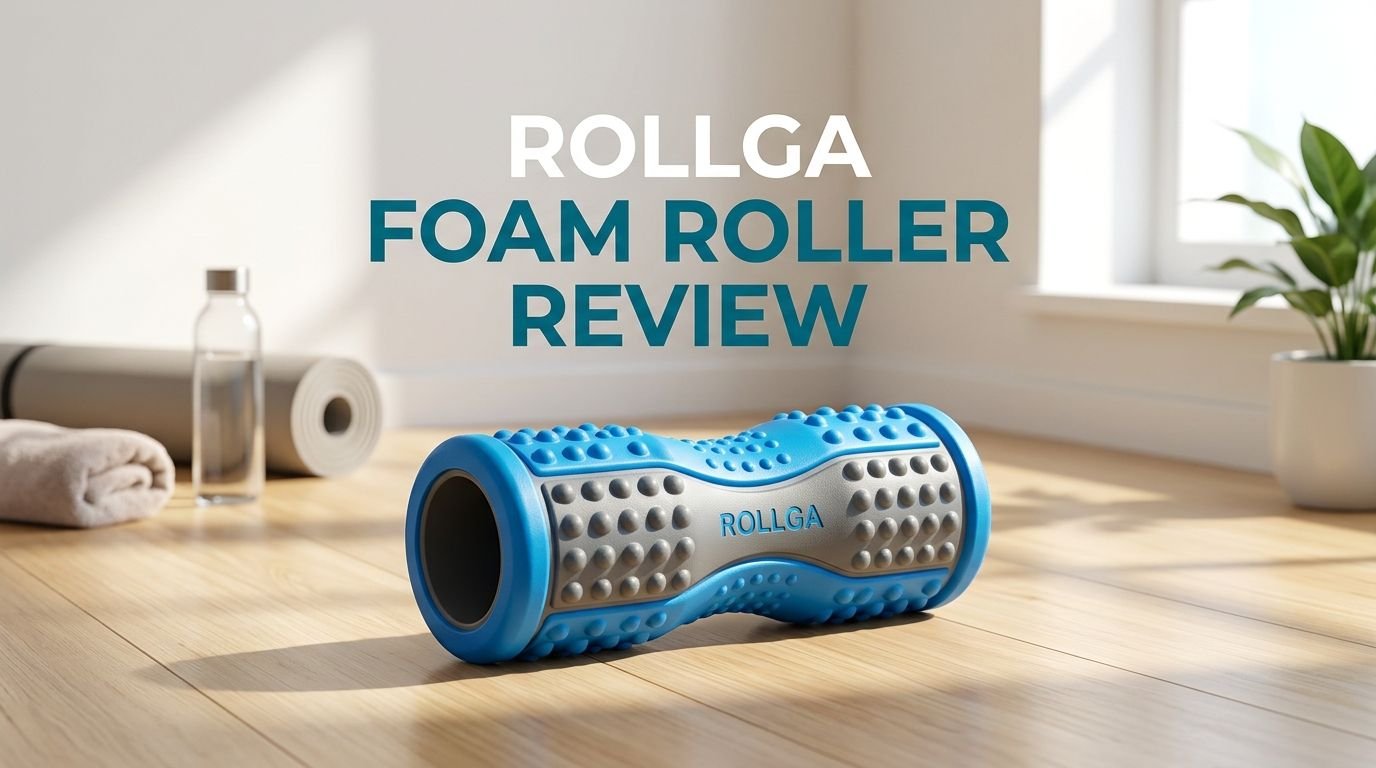
The Rollga foam roller is a patented, contoured muscle roller made from expanded polypropylene (EPP) foam. It looks different from any standard round foam roller you have seen before. The surface features a unique cross directional shape with grooves, ridges, and contoured zones.
This shape serves a specific purpose. The grooves allow your spine, shin bones, and other bony areas to drop into the channel instead of bearing direct pressure. Meanwhile, the raised zones press into the muscles on either side of those bones.
The result is a rolling experience that feels more like a deep tissue massage and less like lying on a hard tube. Rollga describes its design as a “5 in 1” tool because it mimics three rollers and two therapy balls in a single product.
The roller measures 18 inches long and 6 inches in diameter. It weighs just 6.4 ounces. The company sells it through its own website, Amazon, Walmart, and several specialty fitness retailers.
How Does the Rollga Foam Roller Work?
The science behind the Rollga is straightforward. When you roll a muscle over a flat surface, you compress everything equally, including the muscle fibers, fascia, tendons, and bones. That equal compression can cause bruising and discomfort, especially around the spine and shins.
The Rollga changes this by using contoured zones that match the natural curves of your body. Your spine drops into the center groove. Your muscles get pressed by the raised ridges on both sides. This targets the actual muscle tissue without crushing sensitive structures.
The ridges on the Rollga are engineered to the width of a human thumb. This mimics the pressure a massage therapist applies during a deep tissue session. Blood flow increases to the targeted muscle area. Fascia loosens. Trigger points release.
You use it the same way you would use any foam roller. Place it on the ground, position your body over it, and slowly roll back and forth. The difference is that the contoured shape guides your body into the correct position automatically.
Rollga Foam Roller Design and Build Quality
The first thing you notice about the Rollga is its unusual shape. It does not look like a cylinder. It looks more like a rolling pin with sculpted bumps and valleys. The design is patented, so no other company makes this exact shape.
The EPP foam material is durable and firm. It does not deform easily under body weight. Users report that the roller keeps its shape even after months of daily use. The closed cell foam also resists moisture and bacteria, which makes cleaning simple.
The color options vary by model. The Standard version typically comes in blue. The PRO version comes in green or black. The LITE version comes in a lighter color. All versions share the same outer dimensions of 18 x 6 x 6 inches.
There are no moving parts, no electronics, and no batteries. This is a simple, solid foam tool. That simplicity adds to its reliability. You will not deal with motors burning out or batteries dying. It works every time you pick it up.
Top 3 Alternatives for Rollga Foam Roller
1. TriggerPoint GRID 1.0 Foam Roller

2. LuxFit Speckled Foam Roller

3. Chirp Wheel Foam Roller

Rollga Standard vs. Rollga PRO vs. Rollga LITE

Understanding the three versions is important before you buy. The Rollga LITE has a soft density. It is ideal for beginners, seniors, or anyone with low pain tolerance. It provides gentle pressure that introduces your muscles to foam rolling without overwhelming them.
The Rollga Standard uses medium density EPP foam. This is the most popular version. It provides enough pressure for effective muscle release while still being comfortable for daily use. Most physical therapists recommend this version for general fitness users.
The Rollga PRO is 20% harder than the Standard. It delivers intense, deep tissue pressure. Athletes, experienced foam rollers, and people with thick muscle mass benefit the most from this version. If you want a roller that digs deep into stubborn knots, this is the one to choose.
All three versions share the same contoured shape and dimensions. The only difference is the foam density. You can start with the LITE or Standard and upgrade to the PRO as your body adapts to foam rolling.
Benefits of Using the Rollga Foam Roller
The benefits go beyond simple muscle soreness relief. Regular use of the Rollga foam roller can improve flexibility by up to 22%, according to data shared by the company. That increase in flexibility translates to better performance in the gym, on the field, and in daily life.
Muscle recovery speeds up noticeably. When you roll after a workout, blood flow increases to the muscles you just trained. This brings oxygen and nutrients to damaged tissue. It also flushes out metabolic waste. The result is less soreness the next day.
The Rollga also helps stabilize the hips and align the back. Many users sit at desks for 8 or more hours a day. That sitting position tightens the hip flexors and compresses the lumbar spine. Rolling on the Rollga opens up these areas and restores a healthier posture.
Range of motion improvements are another big benefit. Tight muscles restrict your joints. Foam rolling releases that tightness. Over time, you can move more freely, lift more safely, and reduce your injury risk.
Who Should Use the Rollga Foam Roller?
The Rollga foam roller works for a wide range of people. Athletes use it before and after training to warm up muscles and speed recovery. Runners, cyclists, weightlifters, and CrossFit athletes have all reported positive results.
Physical therapy patients benefit from the contoured design. The grooves protect vulnerable areas during rehabilitation. Therapists can confidently recommend this roller to patients recovering from back surgery, hip replacement, or sports injuries.
Office workers who sit all day find relief from lower back pain and neck stiffness. A 5 minute rolling session during a lunch break can loosen tight muscles and reduce tension headaches.
Yoga and Pilates practitioners use the Rollga as a prop and a recovery tool. The shape supports balance exercises and spine alignment drills. It doubles as a myofascial release tool after a long practice.
Seniors also benefit from the LITE version. The soft density provides gentle stimulation without the harsh pressure of traditional high density rollers. It can improve circulation and reduce joint stiffness in older adults.
How to Use the Rollga Foam Roller for Back Pain
Back pain is the number one reason people buy foam rollers. The Rollga’s center groove makes it one of the safest options for rolling your back. Your spine drops into the groove while the ridges press into the muscles along both sides of the spine.
Start by sitting on the floor with the Rollga placed behind your lower back. Lean back so the roller supports your mid back. Cross your arms over your chest or place your hands behind your head. Slowly roll from your mid back down to your lower back.
Spend 30 to 60 seconds on each area. If you find a tender spot, pause and hold pressure there for 10 to 15 seconds. Breathe deeply. The pressure combined with deep breathing helps your nervous system relax the muscle.
Do not roll directly on your lower lumbar spine. Focus on the muscles around it. For upper back pain, extend the rolling range up to the base of your neck. The Rollga’s grooves protect the vertebrae throughout the movement.
Use this routine daily for best results. Most users report noticeable relief within the first week of consistent use.
Rollga Foam Roller for Legs and Lower Body
The Rollga is not just a back roller. It works extremely well on the quads, hamstrings, IT band, calves, and glutes. The contoured shape wraps around these muscle groups in a way that flat rollers cannot match.
For the quadriceps, lie face down and place the Rollga under your thighs. Roll slowly from just above the knee to the hip crease. The ridges dig into the quad muscle fibers and release tightness that builds up from squats, lunges, and running.
For the hamstrings, sit on the floor with the Rollga under your thighs. Roll from just above the back of the knee to the bottom of the glutes. You can cross one leg over the other to increase pressure on a single hamstring.
The IT band benefits greatly from the Rollga’s shape. Lie on your side and place the roller under your outer thigh. Roll from the hip to just above the knee. This area is often painful, so start with gentle pressure and increase gradually.
For calves and glutes, the technique follows the same pattern. Place the roller under the target muscle, apply body weight, and roll slowly. Spend extra time on any knots or trigger points you find along the way.
Rollga Foam Roller for Neck and Shoulders
Neck and shoulder tension affects millions of people. The Rollga’s smaller grooves and contoured ridges provide precise pressure to the muscles in these delicate areas. This makes it safer than using a standard foam roller on your neck.
To roll your neck, lie on your back and place the Rollga under the base of your skull. Gently turn your head left and right. The ridges will massage the suboccipital muscles at the base of your skull. These muscles are responsible for many tension headaches.
For the shoulders, lie on your back and place the Rollga along your upper back, just below the shoulder blades. Cross your arms over your chest and slowly roll side to side. This targets the rhomboids and the muscles between the shoulder blades.
You can also use the Rollga while seated. Place it behind your neck against a chair or wall. Lean back and roll gently. This technique works well during office breaks.
Keep the pressure light around the neck. The muscles here are smaller and more sensitive than those in the back or legs. Short, gentle sessions produce better results than aggressive rolling.
What Do Users Say About the Rollga Foam Roller?
User reviews across Amazon, Walmart, and the Rollga website are overwhelmingly positive. The roller holds a strong average rating on Amazon. Most reviewers highlight the comfort of the contoured design as the standout feature.
One licensed physical therapist described it as a superior option for patients with back pain. She noted that the spine groove eliminates the discomfort most people feel on flat rollers. Her patients reported faster recovery times and better compliance with home exercise programs.
Runners and cyclists praise the roller for IT band and calf relief. Several reviewers mentioned that the Rollga reaches deeper into the muscle than any flat roller they have tried. The thumb width ridges seem to make a real difference.
Some users noted a learning curve with the contoured shape. It takes a few sessions to figure out the best body positions. However, most reviewers said they adapted quickly and preferred the Rollga after just a week of use.
A small number of reviews mentioned the price as a downside. The Rollga costs more than basic foam rollers from Amazon Basics. However, most users felt the patented design and improved results justified the extra cost.
Pros and Cons of the Rollga Foam Roller
The biggest pro is the contoured, patented design. No other roller protects your spine, shins, and other bony areas the way the Rollga does. This design alone makes it a better choice for people who find standard foam rollers uncomfortable.
Durability is another strong point. The EPP foam holds its shape after hundreds of uses. You will not need to replace this roller every few months like cheaper foam options.
The lightweight build makes it travel friendly. At 6.4 ounces, you can toss it in a gym bag, suitcase, or backpack without adding noticeable weight. The 18 inch length fits easily into most bags.
On the con side, the 18 inch length limits coverage on larger body areas. If you want to roll both legs at the same time, a 36 inch roller might serve you better. The Rollga is a single target roller.
The price point is higher than basic rollers. You can buy a standard round foam roller for under $15. The Rollga Standard starts near $40, and the PRO costs around $50. You pay more for the patented shape.
The unusual shape may also feel odd at first. People used to flat rollers need a few sessions to adjust to the grooves and ridges.
Is the Rollga Foam Roller Worth It in 2026?
Yes, the Rollga foam roller is worth the investment for most people. The patented contoured design solves a real problem that flat foam rollers create. If you have ever avoided foam rolling because it hurt your spine or felt too harsh on your bones, the Rollga removes that barrier.
The three density options give you flexibility to grow with the product. Start soft with the LITE, move to the Standard, and progress to the PRO as your muscles adapt. This layered approach keeps the roller useful for years.
The endorsement from physical therapists adds credibility. Licensed professionals recommend this roller to patients. That is not something every foam roller brand can claim. The fact that it is used in clinical rehab settings speaks to its effectiveness.
At around $40 for the Standard version, you are paying the price of a single massage session. The Rollga pays for itself after one use because you can repeat that session every day at home for free. Over a year, that adds up to thousands of dollars in saved massage costs.
If you train regularly, sit at a desk, or deal with chronic muscle tightness, the Rollga foam roller deserves a spot in your recovery toolkit.
Where to Buy the Rollga Foam Roller
You can buy the Rollga foam roller from several retailers. Amazon is the most popular option because of fast shipping, easy returns, and customer reviews. The Standard version is listed under ASIN B01DYSE27G. The PRO version is available under ASIN B0F1HSXQG7.
The official Rollga website (rollga.com) sells all three versions directly. Prices on the website sometimes include bundle deals that you will not find on Amazon. Free shipping is often available on orders over a certain amount.
Walmart also carries the Rollga. You can order online for delivery or check availability at your local store. Prices are similar to Amazon.
Specialty fitness retailers like Perform Better sell the Rollga PRO for around $44.95. Physical therapy clinics sometimes sell them directly to patients as well.
Compare prices across these platforms before you buy. Sales and coupon codes appear regularly, especially on the official website.
Final Verdict: Rollga Foam Roller Review 2026
The Rollga foam roller delivers on its promises. The contoured shape provides a safer, more effective rolling experience than any flat foam roller. The grooves protect your spine. The ridges mimic a massage therapist’s thumbs. The EPP foam lasts for months of daily use.
It is not the cheapest roller on the market. But the patented design, multiple density options, and physical therapist endorsements make the higher price reasonable. You get a quality tool that replaces multiple recovery devices.
My recommendation is to start with the Rollga Standard. It offers the best balance of comfort and pressure for most people. Athletes and experienced users should consider the PRO for deeper muscle work. Beginners and seniors will enjoy the gentler LITE version.
The Rollga foam roller earns a strong recommendation in 2026. It solves real problems, delivers real results, and lasts a long time.
FAQs
Is the Rollga foam roller good for beginners?
Yes, the Rollga LITE version is perfect for beginners. Its soft density provides gentle pressure that introduces your body to foam rolling without pain. The contoured shape also guides your body into correct positions, which reduces the learning curve for new users.
How often should I use the Rollga foam roller?
You can use it daily. Most experts recommend foam rolling two to five times per week. Many users roll every day without any issues. Start with 5 to 10 minute sessions and increase as your body adapts. Listen to your body and reduce frequency if you feel any soreness from the rolling itself.
Can the Rollga foam roller help with sciatica?
The Rollga can help release tension in the piriformis, glutes, and hamstrings, which are often involved in sciatica pain. However, it is not a medical treatment. Consult your doctor or physical therapist before using a foam roller for sciatica. The contoured design does make it safer for sensitive areas.
What is the difference between the Rollga Standard and PRO?
The Rollga PRO is 20% harder than the Standard. Both share the same contoured shape and dimensions. The PRO delivers deeper, more intense pressure. It is better for athletes, advanced users, and people with thick muscle mass. The Standard works well for everyday use and moderate pressure.
How do I clean the Rollga foam roller?
Wipe it down with a damp cloth and mild soap. The EPP foam is moisture resistant and does not absorb sweat or bacteria easily. Allow it to air dry completely before storing. Avoid submerging it in water or using harsh chemical cleaners.
Does the Rollga foam roller come with a warranty?
Rollga offers a satisfaction guarantee on purchases made through their official website. Check the current warranty terms on rollga.com before purchasing. Amazon purchases are covered by Amazon’s standard return policy, which typically allows returns within 30 days.