How to Relieve Herniated Disc Pain in Lower Back at Home?
A sudden jolt of pain shoots through your lower back. You bend, twist, or simply stand up, and the pain grips you hard. If you have a herniated disc in your lower back, you know this feeling all too well.
The good news is that about 90% of people with herniated discs improve without surgery. Most recover with simple, at home methods within 4 to 12 weeks. You do not always need expensive treatments or clinic visits to find relief.
This blog post gives you clear, practical steps you can take right now in the comfort of your home. From targeted stretches and ice therapy to sleeping positions and dietary changes, each method here is backed by research and real results.
Key Takeaways
- Most herniated discs heal on their own within 2 to 12 weeks with proper home care. Around 9 out of 10 people improve without surgical treatment. Your body has a natural ability to reabsorb disc material over time, and simple home methods can support this process effectively.
- Ice and heat therapy offer fast, accessible relief. Ice reduces swelling during the first 48 to 72 hours, while heat relaxes tight muscles and improves blood flow after the initial phase. Alternating between the two can provide consistent comfort throughout the day.
- Gentle stretches and specific exercises speed recovery. Movements like the McKenzie press up, pelvic tilts, and cat cow stretches reduce pressure on the disc and strengthen the muscles that support your spine. Consistency matters more than intensity.
- Sleeping position has a major effect on your pain levels. Sleeping on your back with a pillow under your knees or on your side with a pillow between your knees takes pressure off the lumbar spine. Small adjustments to your sleep setup can dramatically reduce nighttime discomfort.
- An anti inflammatory diet can reduce pain from the inside out. Foods like fatty fish, leafy greens, berries, and turmeric fight inflammation that contributes to disc related pain. Avoiding processed foods and sugar is just as important as adding healthy options.
- Knowing when to see a doctor is critical. If you experience loss of bladder or bowel control, progressive weakness in your legs, or severe pain that does not improve after 6 weeks of home care, seek medical attention immediately. These can be signs of a serious condition called cauda equina syndrome.
What Is a Herniated Disc and Why Does It Hurt So Much
A herniated disc happens when the soft, gel like center of a spinal disc pushes through a tear in the tougher outer layer. In the lower back, this most commonly occurs at the L4 L5 or L5 S1 levels. The leaked material can press on nearby spinal nerves, causing pain, numbness, or tingling that can radiate down your leg.
The lower back carries a heavy load every day. It supports your upper body, absorbs shock, and allows you to bend and twist. This constant stress makes the lumbar discs especially vulnerable to wear and injury. Age, poor posture, heavy lifting, and a sedentary lifestyle all increase the risk of herniation.
Understanding the cause of your pain helps you choose the right treatment. Pain from a herniated disc is different from general muscle soreness. It often feels sharp, burning, or electric and may travel from your lower back into your buttock, thigh, or calf. Recognizing these signs helps you take the right steps at home.
Use Ice Therapy During the First 48 to 72 Hours
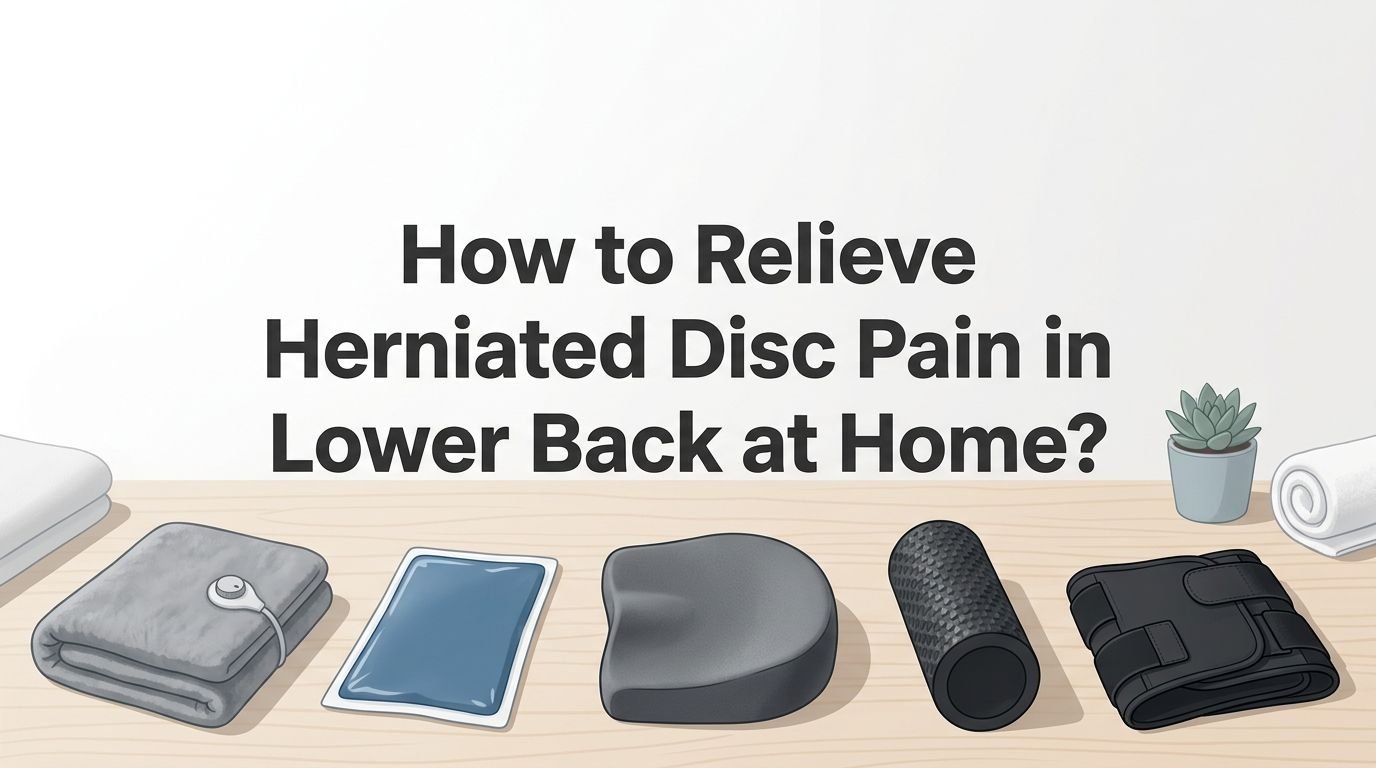
Ice therapy is one of the fastest ways to reduce pain and swelling in the early stages of a herniated disc flare up. Cold constricts blood vessels, slows inflammation, and numbs the affected area. Apply an ice pack wrapped in a thin cloth to your lower back for 15 to 20 minutes at a time. Repeat this every 2 to 3 hours during the first couple of days.
Place the ice pack directly over the area where you feel the most pain. Avoid applying ice to bare skin, as this can cause frostbite or skin irritation. A frozen gel pack, a bag of ice cubes, or even a bag of frozen peas works well.
Pros: Ice therapy is free, easy to do, and provides quick short term relief. It is especially helpful for acute flare ups. Cons: It only addresses symptoms temporarily and does not fix the underlying problem. Some people find the cold uncomfortable. It should not be used for more than 20 minutes per session to avoid skin damage.
Switch to Heat Therapy After the Initial Phase
After the first 48 to 72 hours, heat therapy becomes more effective than ice for most people. Heat increases blood flow to the injured area, relaxes tight muscles, and promotes healing. Use a heating pad set on low or a warm towel for 15 to 20 minutes at a time, 3 to 4 times per day.
You can also try a warm bath or shower to ease stiffness and pain. The warm water helps relax the muscles surrounding your spine, which can reduce the pressure on the herniated disc. Moist heat, like a damp warm towel, often penetrates deeper than dry heat.
Pros: Heat therapy is affordable, relaxing, and improves muscle flexibility. It works well for chronic or lingering pain. Cons: It should not be used during the acute inflammatory phase, as it can increase swelling. People with diabetes or nerve damage should use caution, since they may not feel if the heat is too intense.
Try the McKenzie Press Up Exercise
The McKenzie method is one of the most well researched exercise approaches for herniated disc pain. The prone press up is the foundation of this method. Lie face down on the floor with your palms flat beside your shoulders. Slowly press your upper body up while keeping your hips and pelvis on the ground. Hold for 2 to 3 seconds, then lower back down. Repeat 10 times.
This movement creates a gentle backward bend in the lumbar spine. It helps push the herniated disc material away from the spinal nerve and back toward the center of the disc. Many physical therapists recommend this exercise as a first line treatment for lower back disc herniations.
Start slowly and only press up as far as your pain allows. Over days and weeks, you should be able to press up higher with less discomfort. If the exercise increases leg pain or causes new symptoms, stop immediately and consult a healthcare provider.
Pros: The McKenzie press up targets the root cause of disc related pain and is supported by clinical research. Cons: It is not suitable for all types of back pain and may worsen symptoms if done incorrectly.
Do Gentle Stretches to Reduce Nerve Pressure
Specific stretches can ease the tightness and muscle spasms that accompany a herniated disc. The knee to chest stretch, cat cow stretch, and piriformis stretch are three of the most effective options. These movements gently open the spaces between vertebrae and reduce compression on irritated nerves.
For the knee to chest stretch, lie on your back with your knees bent. Pull one knee at a time toward your chest and hold for 15 to 30 seconds. Repeat 2 to 3 times per side. For the cat cow stretch, get on your hands and knees. Alternate between arching your back upward and letting it sag downward, moving slowly and smoothly.
The piriformis stretch is especially useful if your pain radiates down your leg. Lie on your back, cross one ankle over the opposite knee, and gently pull the bottom leg toward your chest. Hold for 20 to 30 seconds on each side.
Pros: These stretches improve flexibility, reduce muscle tension, and relieve nerve pressure. Cons: Forward bending stretches like toe touches can make herniated disc symptoms worse. Always avoid any stretch that increases your leg pain or numbness.
Strengthen Your Core to Support Your Spine
A strong core acts like a natural brace for your lower back. Weak abdominal and back muscles put extra stress on the spinal discs and increase your risk of further injury. Simple core exercises can make a significant difference in both pain relief and long term prevention.
Pelvic tilts are a safe starting point. Lie on your back with your knees bent. Flatten your lower back against the floor by tightening your abdominal muscles. Hold for 5 seconds and repeat 10 to 15 times. The bird dog exercise is another excellent option. Start on your hands and knees, then extend one arm forward and the opposite leg backward. Hold for 5 seconds and switch sides.
Avoid sit ups, crunches, and heavy weight exercises during recovery. These put excessive load on the lumbar discs and can make your condition worse. Focus on low intensity, controlled movements that activate the deep stabilizing muscles of your trunk.
Pros: Core strengthening addresses the root cause of many disc problems and prevents recurrence. Cons: Results take weeks of consistent effort, and doing the wrong exercises can worsen symptoms.
Adjust Your Sleeping Position for Nighttime Relief
Many people with herniated discs experience the worst pain at night. The wrong sleeping position can increase pressure on the disc and compress nerves for hours. Making simple changes to how you sleep can dramatically reduce your pain.
Sleeping on your back with a pillow under your knees is often the best position. This keeps the spine in a neutral alignment and reduces stress on the lumbar discs. If you prefer sleeping on your side, place a firm pillow between your knees to keep your hips aligned. The fetal position, with your knees pulled slightly toward your chest, can also open the spaces between vertebrae and provide relief.
Avoid sleeping on your stomach. This position forces the lower back into an extended arch that increases disc pressure and strains the muscles. If you find it difficult to change your sleeping habit, try placing a small pillow under your pelvis to reduce the arch.
Pros: Proper sleep positioning provides passive pain relief for 6 to 8 hours each night. Cons: It can take time to adjust to a new position, and some people find it hard to maintain the position while asleep.
Walk Regularly to Promote Healing
Walking is one of the best low impact activities for herniated disc recovery. It increases blood flow to the spinal structures, delivers nutrients to the injured disc, and keeps the muscles around your spine active. Start with short walks of 10 to 15 minutes and gradually increase the duration as your pain allows.
Walk on flat, even surfaces to minimize jarring movements. Wear supportive shoes that cushion your steps and keep your stride comfortable. Focus on maintaining an upright posture while walking. Avoid hunching forward, as this places additional strain on the lower back.
Many spine specialists recommend walking as a daily habit during herniated disc recovery. Aim for 20 to 30 minutes of walking at least once per day. If pain increases during your walk, slow down or stop and try again later.
Pros: Walking is free, accessible, and improves overall health along with back pain. Cons: Walking on uneven ground or for too long too soon may aggravate symptoms.
Eat Anti Inflammatory Foods to Speed Recovery
What you eat affects how your body heals. Inflammation plays a central role in herniated disc pain, and certain foods can either increase or decrease this inflammation. An anti inflammatory diet supports faster recovery and reduces pain from the inside.
Focus on adding these foods to your meals: fatty fish like salmon and sardines (rich in omega 3 fatty acids), leafy greens like spinach and kale, berries like blueberries and cherries, turmeric, ginger, olive oil, and nuts like almonds and walnuts. These foods contain natural compounds that fight inflammation throughout the body.
At the same time, reduce your intake of processed foods, refined sugar, white bread, fried foods, and excessive red meat. These items promote inflammation and can slow down healing. Staying hydrated by drinking plenty of water also helps maintain disc hydration, since spinal discs are largely made of water.
Pros: Dietary changes are natural, have no side effects, and benefit your entire body. Cons: Results are gradual and require consistent eating habits over weeks.
Avoid Prolonged Sitting and Practice Good Posture
Sitting puts more pressure on your lumbar discs than standing or lying down. Prolonged sitting, especially with poor posture, can make herniated disc pain significantly worse. If your job or lifestyle involves a lot of sitting, this section is especially important for you.
Follow the 30 minute rule. Set a timer and stand up, stretch, or walk briefly every 30 minutes. When you do sit, keep your feet flat on the floor, your back straight, and your shoulders relaxed. Use a small rolled up towel or lumbar roll behind the curve of your lower back for added support.
Avoid soft couches and chairs that let you sink in. A firm chair with good back support keeps your spine in a healthier position. If you work at a desk, adjust your monitor to eye level so you do not hunch forward. These small changes add up to meaningful relief over time.
Use Over the Counter Pain Relief Wisely
Over the counter medications can help you manage pain and stay active during recovery. Nonsteroidal anti inflammatory drugs (NSAIDs) like ibuprofen reduce both pain and inflammation. Acetaminophen can help with pain but does not address inflammation.
Follow the dosing instructions on the packaging and do not exceed the recommended daily amount. If you have stomach issues, kidney problems, or are taking other medications, consult your doctor before using NSAIDs regularly. Short term use of these medications can make it easier to perform your stretches and exercises, which are critical for long term recovery.
Pros: Over the counter medications provide quick, accessible relief and are widely available. Cons: They treat symptoms, not the cause. Long term use of NSAIDs can cause stomach ulcers, kidney problems, and cardiovascular risks. Always use them as a bridge while pursuing active recovery methods.
Know the Signs of Healing and When to See a Doctor
A herniated disc typically heals in stages. During the first 1 to 2 weeks, acute inflammation decreases and sharp pain begins to subside. Between weeks 2 and 6, numbness and tingling often start to fade and mobility improves. By weeks 6 to 12, most people notice significant improvement and can return to most daily activities.
Signs your disc is healing include: pain becoming less frequent and less intense, leg symptoms retreating back toward the lower back (called centralization), improved range of motion, and the ability to sit, stand, and walk for longer periods.
See a doctor immediately if you experience loss of bladder or bowel control, sudden severe weakness in one or both legs, numbness in the groin or inner thigh area, or pain that worsens despite consistent home treatment for more than 6 weeks. These symptoms may indicate a serious condition that requires urgent medical care.
Create a Daily Recovery Routine That Works
Consistency is the key to healing a herniated disc at home. A structured daily routine ensures you do the right things regularly without overdoing it. Here is a simple framework you can follow and adjust to your needs.
Start your morning with 5 minutes of gentle stretches, including the knee to chest stretch and cat cow. Follow this with a 15 to 20 minute walk. Apply heat before your stretches to warm up your muscles. Midday, do a second round of stretches and a 10 minute walk. In the evening, perform your core strengthening exercises, such as pelvic tilts and bird dogs.
Use ice after any activity that causes a flare up. Eat anti inflammatory foods throughout the day and stay hydrated. Prioritize 7 to 8 hours of quality sleep using the recommended sleeping positions. Track your progress in a simple journal, noting your pain levels and activity each day. This helps you see improvement over time and keeps you motivated during recovery.
Frequently Asked Questions
How long does it take for a herniated disc to heal without surgery?
Most herniated discs improve within 4 to 12 weeks with consistent home care. Some people feel relief within days, while others take up to 6 months for full recovery. About 90% of cases resolve without surgery. The timeline depends on the size of the herniation, your age, activity level, and how well you follow your recovery plan.
Can I exercise with a herniated disc in my lower back?
Yes, but you must choose the right exercises. Gentle movements like McKenzie press ups, pelvic tilts, cat cow stretches, and walking are safe and effective for most people. Avoid high impact activities, heavy lifting, sit ups, and deep forward bending. Always start slowly and stop any exercise that increases your leg pain or causes new symptoms.
Is it better to use ice or heat for herniated disc pain?
Use ice during the first 48 to 72 hours to reduce inflammation and swelling. After this initial phase, switch to heat therapy to relax muscles and improve blood flow. Many people find that alternating between ice and heat throughout the day provides the best overall relief. Apply each for 15 to 20 minutes at a time.
What is the best sleeping position for herniated disc pain?
Sleeping on your back with a pillow under your knees is widely considered the best option. This position keeps the spine neutral and reduces disc pressure. Side sleeping with a pillow between the knees is another good choice. Avoid sleeping on your stomach, as it forces the lower back into a strained position.
When should I see a doctor for herniated disc pain?
Seek medical care if you experience loss of bladder or bowel function, progressive weakness in your legs, numbness in your groin area, or pain that does not improve after 6 weeks of home treatment. These symptoms could signal a serious condition. You should also see a doctor if your pain is so severe that you cannot perform basic daily activities.
Can diet really help with herniated disc pain?
Yes. An anti inflammatory diet can reduce the swelling around your herniated disc and help your body heal faster. Foods rich in omega 3 fatty acids, antioxidants, and vitamins support tissue repair and lower inflammation. Cutting back on sugar, processed foods, and fried foods is equally important for reducing pain and promoting recovery.

Hi, I’m Elowen Porter, the creator of GreenLight.blog.
I share honest reviews and insights on supplements and Amazon health products to help you make smarter wellness choices.
With a passion for natural living and evidence-based products, I dig deep to find what truly works.
My goal is to simplify your supplement search with real results and trusted recommendations.
Let’s make healthy living a little easier—one product at a time.