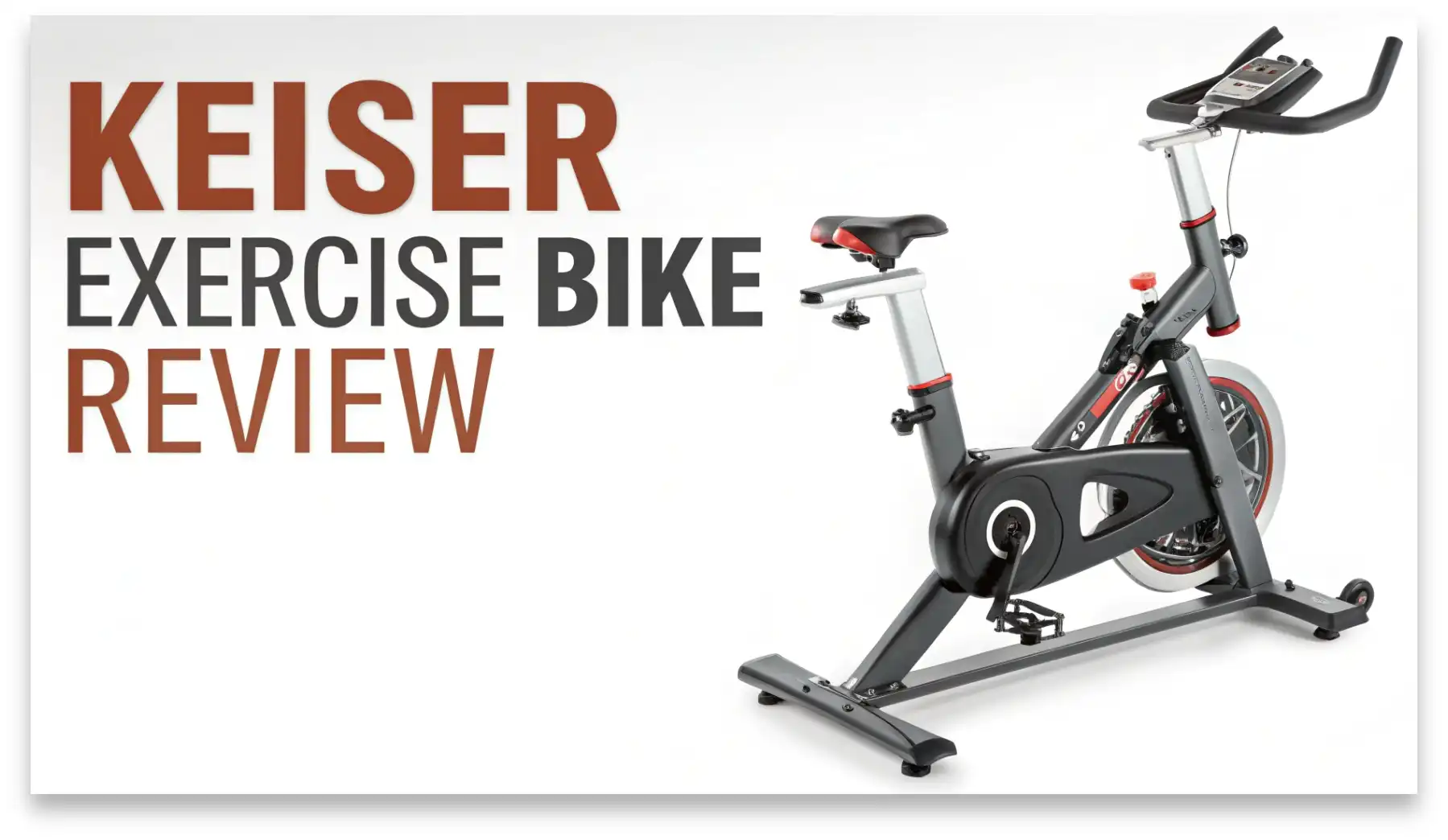
Keiser Exercise Bike Review: Your Complete Guide
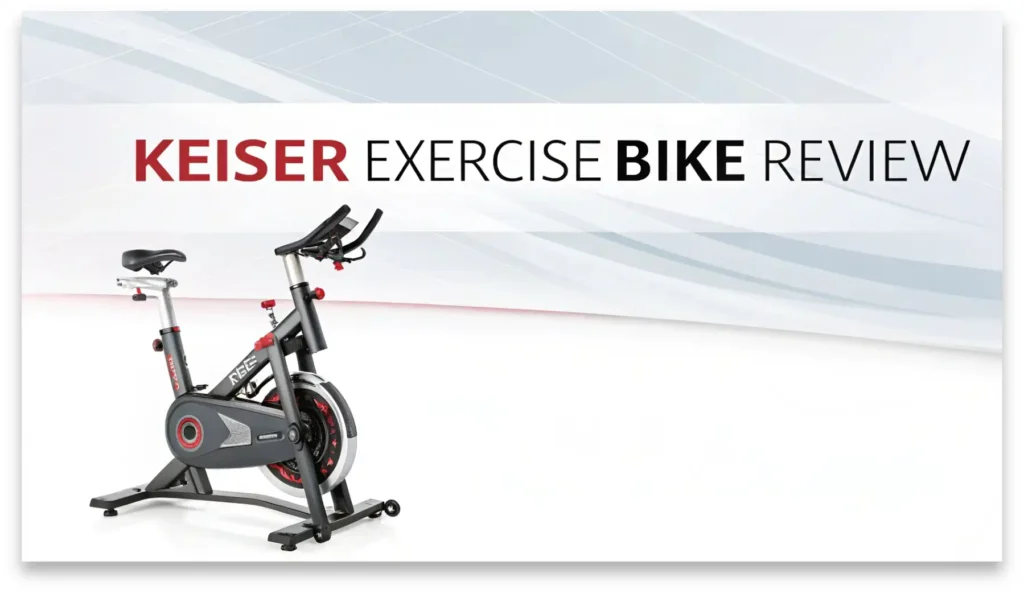
Are you ready to transform your home workouts with a bike that actually delivers on its promises? You know that feeling when you invest in fitness equipment only to find it gathering dust after a few weeks?
Well, the Keiser exercise bike is about to change that story completely. This bike has been turning heads in gyms and homes across the country, and today we are diving deep into what makes these machines so special.
Whether you are a spinning enthusiast or just starting your fitness journey, this review will help you make the smartest choice for your home gym.
Key Takeaways
- Commercial Quality at Home: Keiser bikes deliver the same studio experience you get at premium gyms, with magnetic resistance that creates smooth and silent operation for distraction-free workouts.
- Durability That Lasts Decades: These bikes feature corrosion-resistant construction and nearly maintenance-free operation, making them a long-term investment rather than a temporary fitness gadget.
- Versatile Accommodation: The V-shaped frame design fits riders from 4’10″ to 7 feet tall with a weight capacity of 350 pounds, ensuring comfortable workouts for almost every body type.
- Smart Technology Integration: Built-in Bluetooth connectivity, power meter readings, and app compatibility let you track every metric and join virtual cycling classes from your living room.
- Premium Price Point: While Keiser bikes cost more upfront (around $2,600 to $3,500), their exceptional build quality and longevity make them more cost-effective than replacing cheaper bikes every few years.

- Includes: Media Tray, Stretch Pads, and M Connect Display.
- Made in the USA from domestic and globally sourced materials: The M3i is the ONLY indoor bike built...
Last update on 2026-09-13 / Affiliate links / Images from Amazon Product Advertising API Some of the links on this website are affiliate links, which means that at no additional cost to you, I earn a commission if you click through and make a purchase. I only recommend products and services that I believe will add value to my readers. Thank you for your support!
Keiser M3i Indoor Cycle Bundle
The Keiser M3i Indoor Cycle Bundle stands as the flagship model that has revolutionized home fitness. This bike brings commercial gym quality directly to your living space. The bundle includes everything you need to start your indoor cycling journey immediately.
What makes this bike exceptional is its magnetic resistance system that operates virtually silent. You can take early morning rides without waking your family or roommates.
The 8-pound flywheel might sound light compared to traditional bikes, but Keiser’s engineering creates a smooth and natural riding experience that rivals heavier flywheels.
The bike weighs 92 pounds and provides rock-solid stability during intense sprint sessions. The rear-wheel design protects critical components from sweat and corrosion, which extends the bike’s lifespan significantly.
Users report that their Keiser bikes still perform like new after years of regular use. The self-powered console runs on AA batteries, giving you complete freedom in bike placement without worrying about power outlets.
Why Keiser Bikes Stand Out from the Competition
Keiser bikes have earned their reputation through decades of innovation and quality manufacturing. The company focused on creating bikes that solve real problems riders face with traditional exercise equipment.
The magnetic resistance system represents a major breakthrough. Unlike friction-based systems that wear out and require constant adjustment, magnetic resistance never touches the flywheel.
This design eliminates maintenance headaches and keeps your rides smooth for years. The resistance lever allows infinite incremental adjustments, giving you precise control over workout intensity.
The V-shaped frame design accommodates riders of dramatically different sizes. Your entire family can use the same bike comfortably.
The four-way adjustable handlebars and seat post let you dial in your perfect riding position. Proper bike fit prevents injuries and makes longer rides more enjoyable.
Keiser’s attention to durability shows in every component. The aluminum frame resists rust and corrosion naturally.
The poly-v belt drive system operates whisper-quiet while delivering smooth power transfer. These bikes regularly serve in commercial gyms where they endure hours of daily use without breaking down.
Understanding Magnetic Resistance Technology
Magnetic resistance changed the indoor cycling game completely. Traditional bikes use brake pads that press against the flywheel to create resistance. This friction generates heat, noise, and wear that eventually requires replacement parts.
Magnetic systems use opposing magnetic fields to slow the flywheel without physical contact. This creates a sensation similar to riding outdoors when you pedal against wind resistance. The ride feels natural and smooth throughout your entire pedal stroke.
The benefits extend beyond just feeling good. Magnetic resistance requires essentially zero maintenance. You will not replace worn brake pads or adjust friction settings.
The system stays consistent ride after ride, year after year. This reliability makes magnetic bikes perfect for serious training where consistent resistance matters.
The quiet operation deserves special mention. You can watch TV, listen to music, or take video classes without cranking the volume. Apartment dwellers love this feature because neighbors never complain about noise. Early morning or late night workouts become feasible without disturbing anyone.
Top 3 Alternatives for Keiser Exercise Bike

- 【Smart Connectivity for a Personalized Fitness Journey】Unlock a world of fitness with our...
- 【Smart Fitness Hub: pooboo App Connectivity for Immersive Training】 Elevate your home cycling...
Last update on 2026-09-16 / Affiliate links / Images from Amazon Product Advertising API Some of the links on this website are affiliate links, which means that at no additional cost to you, I earn a commission if you click through and make a purchase. I only recommend products and services that I believe will add value to my readers. Thank you for your support!

- [Why Choose CHAOKE? ]: Tired of bad weather,busy schedules,or long gym commutes? CHAOKE Spin Bikes...
- [2026 Upgraded Exercise Bike - App Compatible]: CHAOKE's new upgraded version of the indoor bike can...
Last update on 2026-09-12 / Affiliate links / Images from Amazon Product Advertising API Some of the links on this website are affiliate links, which means that at no additional cost to you, I earn a commission if you click through and make a purchase. I only recommend products and services that I believe will add value to my readers. Thank you for your support!

- Merach Self-Developed APP: Pair your Merach stationary exercise bike with our self-developed fitness...
- Stable & Safe: Our indoor cycling bike features a reinforced inverted triangle frame with 2.00mm...
Last update on 2026-09-12 / Affiliate links / Images from Amazon Product Advertising API Some of the links on this website are affiliate links, which means that at no additional cost to you, I earn a commission if you click through and make a purchase. I only recommend products and services that I believe will add value to my readers. Thank you for your support!
Performance Metrics and Display Features
The Keiser M3i display provides essential workout data at a glance. The backlit screen shows cadence, heart rate, calories burned, distance, and most importantly, power output in watts. Power measurement gives you objective data about your fitness progress that other metrics cannot match.
The display updates in real-time, helping you maintain target zones during interval training. Bluetooth connectivity syncs your data with popular fitness apps like Peloton, Zwift, and others. This integration lets you join virtual group rides and structured training programs.
The console runs on two AA batteries that last months before needing replacement. This battery power eliminates the need for electrical outlets near your bike. You can position the bike anywhere in your home without cable management hassles.
Heart rate monitoring comes through wireless chest straps. While the bike does not include a strap, it pairs easily with most standard models. Tracking heart rate helps you train smarter by ensuring you work in the right intensity zones for your goals.
Build Quality and Durability Analysis
Keiser builds these bikes to last decades, not just years. The company uses premium materials throughout the construction. The aluminum frame provides strength without excessive weight. This lightweight design makes the bike easier to move when needed.
The rear flywheel placement protects mechanical components from corrosive sweat. Sweat damage kills many home exercise bikes prematurely. Keiser’s engineers specifically designed the bike to combat this common failure point. Users report bikes working perfectly after 10+ years of regular use.
The weight capacity of 350 pounds accommodates most adults comfortably. The stable base prevents wobbling even during high-intensity intervals. Professional cyclists use these bikes for off-season training, which speaks volumes about the quality level.
Maintenance requirements stay minimal. The magnetic resistance needs no adjustment. The belt drive requires no lubrication. An occasional wipe-down keeps the bike looking new. This low maintenance profile saves you time and money over the bike’s lifetime.
Keiser M3 Indoor Cycle Raven Black

- Commercial grade, built for the gym but even better in your home!
- Whisper quiet in operation and smooth magnetic resistance system.
Last update on 2026-09-13 / Affiliate links / Images from Amazon Product Advertising API Some of the links on this website are affiliate links, which means that at no additional cost to you, I earn a commission if you click through and make a purchase. I only recommend products and services that I believe will add value to my readers. Thank you for your support!
The Keiser M3 represents the classic model that built the company’s reputation. This bike shares the core features that made Keiser famous while offering a simpler package than the M3i.
The M3 delivers the same whisper-quiet magnetic resistance and durable construction as newer models. The main difference lies in the display and connectivity.
The M3 uses a more basic console without Bluetooth capabilities. This simplicity appeals to riders who prefer straightforward workouts without technology distractions.
The price point comes in slightly lower than the M3i, making it an attractive option for budget-conscious buyers. You still get commercial-grade construction and components that will serve you for many years. The bike accommodates the same height range and weight capacity as the M3i.
Many gyms and studios still use original M3 bikes that have operated flawlessly for over a decade. This proven track record demonstrates the lasting value you get with Keiser quality.
Setting Up Your Keiser Bike for Optimal Comfort
Proper bike setup makes the difference between enjoyable rides and uncomfortable sessions. Take time to adjust your Keiser bike correctly before your first workout.
Start with seat height. Stand next to the bike and raise the seat to hip level. Sit on the bike with one pedal at the bottom position. Your knee should have a slight bend of about 25 to 30 degrees. Adjust the seat up or down until you achieve this angle.
Next, position the seat fore and aft. Sit on the bike with pedals level horizontally. Your forward knee should align vertically with the ball of your foot on the pedal. Move the seat forward or backward to achieve this alignment.
Handlebar height depends on your flexibility and riding style. Beginners often prefer handlebars slightly higher than the seat. More experienced riders typically lower the handlebars for an aggressive position. Listen to your body and adjust until you find comfortable positioning.
The handlebar reach affects your upper body comfort significantly. Extend your arms naturally without overreaching. Your elbows should maintain a slight bend. Adjust the handlebars forward or backward to dial in the right distance.
Commercial Studio Cycle

- [Powered by iFIT] - Access over 10,000 workouts and features for a personalized experience. Get...
- [Rotating 22" Smart HD Touchscreen] - Follow your iFIT Trainer on the Rotating 22-inch Smart HD...
Last update on 2026-09-13 / Affiliate links / Images from Amazon Product Advertising API Some of the links on this website are affiliate links, which means that at no additional cost to you, I earn a commission if you click through and make a purchase. I only recommend products and services that I believe will add value to my readers. Thank you for your support!
This commercial studio cycle brings professional gym features to your home at a more accessible price point. While not a Keiser, this bike delivers solid performance for riders who want quality without the premium price tag.
The bike features magnetic resistance for quiet operation and low maintenance. The belt drive system provides smooth pedaling action. The 300-pound weight capacity handles most riders comfortably. This bike works well for families where multiple people will use the equipment.
The LCD display tracks essential metrics including time, distance, speed, and calories. While it lacks the advanced power measurement of Keiser bikes, it provides enough data for effective workouts. The tablet holder lets you follow online classes or watch entertainment during rides.
Assembly takes about an hour with basic tools. The bike arrives mostly pre-assembled with clear instructions. Customer reviews praise the value and reliability, though some note that build quality does not quite match Keiser’s commercial grade standards.
Training Programs and Workout Versatility
Indoor cycling offers incredible workout variety. Your Keiser bike supports multiple training styles to keep workouts engaging and effective.
High-Intensity Interval Training (HIIT) works perfectly on these bikes. Sprint for 30 seconds at maximum effort, recover for 60 seconds, and repeat. The instant resistance changes make intervals seamless. This training style burns massive calories and improves cardiovascular fitness rapidly.
Endurance rides build your aerobic base. Set moderate resistance and maintain steady effort for 45 to 90 minutes. These longer rides improve your ability to sustain exercise and build mental toughness. The comfortable Keiser seat design supports extended ride times.
Hill climb simulations challenge your leg strength. Increase resistance to heavy levels and maintain slower cadence. This mimics outdoor climbing and builds powerful legs. Mix climbing into your routine to develop balanced fitness.
Recovery rides at easy effort help you bounce back between hard workouts. Light resistance and comfortable pace promote blood flow without adding stress. Active recovery speeds your adaptation to training.
Comparing Keiser to Other Premium Brands
Several brands compete in the premium indoor bike market. Understanding the differences helps you make informed decisions.
Peloton bikes offer integrated touchscreen displays and compelling class content. The subscription creates ongoing costs but provides motivation through community features. Peloton bikes cost similar to Keiser but may require more maintenance due to friction resistance in older models.
Schwinn IC4 bikes deliver solid performance at lower prices. They lack Keiser’s commercial-grade durability but work well for regular home use. The IC4 includes Bluetooth connectivity and works with popular cycling apps.
Concept2 BikeErg brings rowing company expertise to cycling. It uses air resistance rather than magnetic. The BikeErg excels for cross-training athletes but creates more noise than magnetic bikes.
Keiser distinguishes itself through proven longevity and minimal maintenance requirements. The nearly indestructible construction justifies the premium price for serious cyclists and busy families who need reliable equipment.
Maintenance Tips and Long-Term Care
Keiser bikes need minimal maintenance, but a few simple habits extend their already impressive lifespan.
Wipe down the bike after each use. Sweat contains salt that can corrode metal over time. A quick wipe with a damp cloth prevents buildup. Pay special attention to the handlebars and seat areas where sweat concentrates.
Check the seat and handlebar bolts monthly. Vibration can loosen connections gradually. Tighten any loose bolts to maintain safe and stable operation. This takes just a few minutes and prevents issues.
Clean the bike thoroughly every few months. Use mild soap and water to remove dust and grime. Avoid harsh chemicals that might damage finishes. A clean bike looks better and helps you spot any developing issues early.
Replace console batteries when the display dims. Keep spare AA batteries on hand for quick changes. The batteries last many months with regular use, so replacement stays infrequent.
Store the bike in climate-controlled space when possible. Extreme temperature swings and high humidity can affect electronic components over time. Most homes provide suitable conditions naturally.
Is the Premium Price Worth It?
Keiser bikes cost significantly more than budget models. The question comes down to value over time rather than upfront expense.
Consider cost per year of ownership. A $3,000 Keiser bike that lasts 15 years costs $200 annually. A $500 budget bike that needs replacement after 3 years costs $166 annually, and you endure the hassle of shopping and setup again. The math favors quality equipment when you factor in longevity.
The superior ride quality matters too. Smooth, quiet operation makes you more likely to use the bike consistently. Equipment that feels cheap often ends up neglected. The enjoyment factor has real value that is hard to quantify.
Resale value stays high for Keiser bikes. Used models sell for good prices because buyers recognize the quality. Budget bikes have minimal resale value. This strengthens the economic case for premium equipment.
For serious cyclists training indoors, the accurate power measurement justifies the cost alone. Power-based training produces better results than guessing at intensity levels. The investment pays off in fitness improvements.
Frequently Asked Questions
How much space do I need for a Keiser exercise bike?
The Keiser M3i measures 51 inches long by 26 inches wide. You should plan for about 7 feet by 5 feet of total space to allow comfortable mounting and dismounting. The compact footprint fits easily in bedrooms, home offices, or corners of living spaces.
Can I use Peloton classes with a Keiser bike?
Yes, you can follow Peloton classes using your Keiser bike. Download the Peloton app on your phone or tablet. The app provides access to thousands of cycling classes. You will manually adjust resistance to match instructor calls since the Keiser lacks automatic resistance control.
How loud is the Keiser M3i during use?
The magnetic resistance and belt drive make the M3i extremely quiet. Most users report noise levels comparable to a whisper. You can watch TV at normal volume or hold conversations while riding. The quiet operation makes it ideal for apartments and shared living spaces.
What is the warranty coverage on Keiser bikes?
Keiser provides a 10-year frame warranty and 3-year parts warranty on M3i bikes. This coverage reflects the company’s confidence in their construction quality. The extended frame warranty protects your investment for a decade of regular use.
Do I need special cycling shoes for Keiser bikes?
Keiser bikes accommodate both regular athletic shoes and clipless cycling shoes. The pedals include toe cages for regular shoes and SPD-compatible clips for cycling shoes. Many riders start with regular shoes and upgrade to cycling shoes later for improved power transfer.
How often should I replace parts on a Keiser bike?
Keiser bikes require minimal part replacement. The magnetic resistance never wears out. The belt drive typically lasts 5 to 10 years with regular use. Most owners report never needing major repairs or part replacements during years of ownership.

Hi, I’m Elowen Porter, the creator of GreenLight.blog.
I share honest reviews and insights on supplements and Amazon health products to help you make smarter wellness choices.
With a passion for natural living and evidence-based products, I dig deep to find what truly works.
My goal is to simplify your supplement search with real results and trusted recommendations.
Let’s make healthy living a little easier—one product at a time.