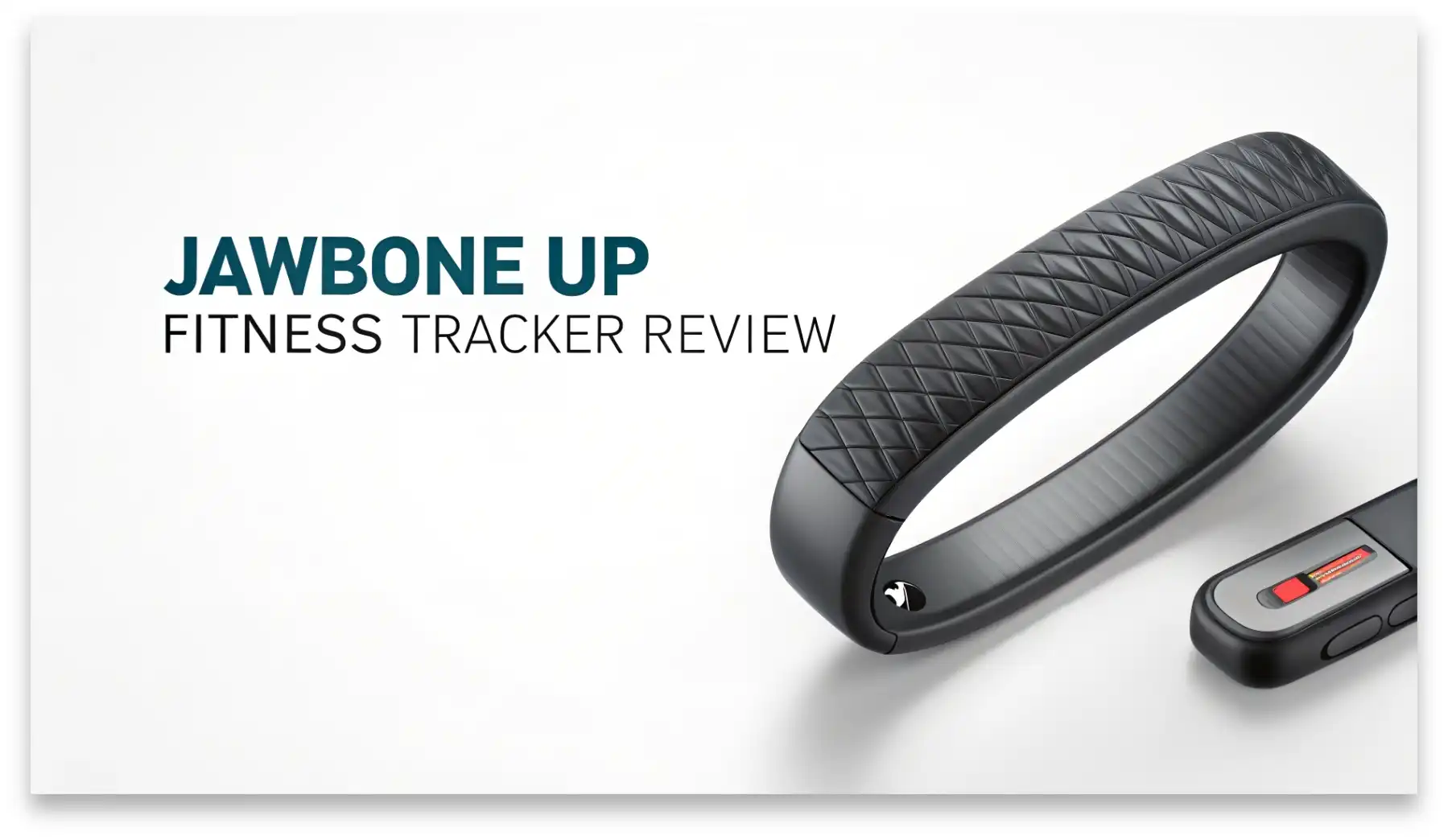
Jawbone UP Fitness Tracker Review: A Complete Guide
Remember when counting steps seemed like magic? The Jawbone UP fitness tracker made waves in the wearable tech world by turning daily movement into data you could actually use.
This sleek band wrapped around your wrist and quietly tracked everything from your morning jog to your midnight snack habits.
You got insights into your sleep patterns, activity levels, and overall wellness without lifting a finger. The device worked with a powerful app that turned numbers into actionable goals.
Key Takeaways
- The Jawbone UP tracked steps, sleep, and calories with a comfortable wristband design that you could wear all day without noticing it
- Battery life lasted up to 10 days on a single charge, which beat most competitors at the time
- The companion app was highly rated for its clean interface and smart insights that actually helped users change their habits
- Sleep tracking showed 97% sensitivity in detecting sleep phases, though it struggled with wake detection at just 37% specificity
- The device required manual syncing by plugging into your phone’s headphone jack, which felt outdated even when it launched
- Jawbone shut down in 2017, and the app stopped working in 2018, making all existing devices completely useless today

- RECOVERY, REDESIGNED: Train, sleep, and rest with confidence thanks to accurate heart rate, fatigue...
- UP TO 10 DAYS OF BATTERY LIFE: Go longer between charges. The Helio Strap delivers lasting...
Last update on 2026-07-25 / Affiliate links / Images from Amazon Product Advertising API Some of the links on this website are affiliate links, which means that at no additional cost to you, I earn a commission if you click through and make a purchase. I only recommend products and services that I believe will add value to my readers. Thank you for your support!
What Made the Jawbone UP Stand Out
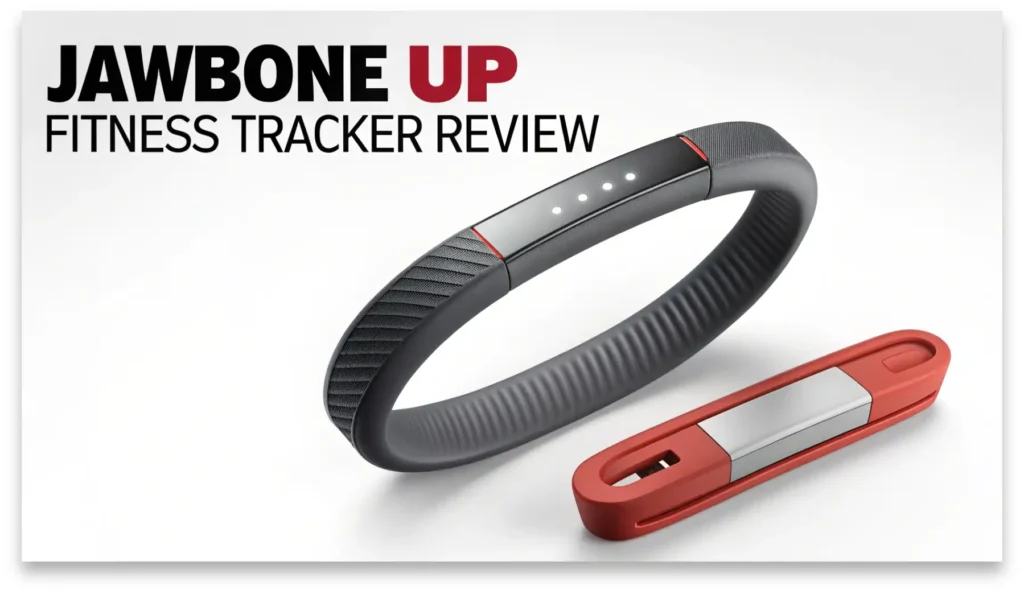
The Jawbone UP entered a crowded market but carved out its own space. The band used hypoallergenic rubber that felt soft against your skin. You could wear it in the shower, during workouts, or while sleeping.
The design came in multiple colors like red, yellow, black, blue, and purple. People noticed it looked more like jewelry than tech. The band weighed just 0.4 ounces. You literally forgot you had it on.
Inside, a 3-axis accelerometer captured your movements throughout the day. This sensor detected when you walked, ran, or stayed still.
It counted steps and calculated distance traveled. The technology wasn’t revolutionary, but Jawbone packaged it in a way that felt personal and approachable.
Activity Tracking Performance
Step counting accuracy impressed most users. The device recognized walking patterns and filtered out false movements like hand gestures. You got credit for actual activity, not random arm swings.
The tracker measured distance, speed, and calories burned based on your personal profile. You entered your height, weight, and age in the app. The algorithms adjusted calculations to match your body type.
Reviews consistently praised the accuracy compared to other bands available at the time. The device also tracked active versus idle time. It knew when you sat at a desk for too long.
A vibration alert reminded you to get up and move. This idle alert became one of the most loved features. It pushed users to break up long periods of inactivity.
Sleep Monitoring Capabilities
Sleep tracking set the Jawbone UP apart from basic pedometers. You pressed a button on the band before bed. The accelerometer monitored your movements during the night. It detected when you fell asleep, how often you woke up, and when you entered deep sleep.
The app displayed this data in easy-to-read graphs. You saw patterns over days and weeks. Research showed the device had high sensitivity for detecting sleep at 97%. That means it rarely missed when you were actually sleeping.
However, it showed low specificity at 37% for detecting wake periods. It sometimes thought you were asleep when you were lying still but awake.
Despite this limitation, users found the sleep data valuable. The app suggested optimal bedtimes based on your patterns. It helped you understand how lifestyle choices affected sleep quality.
The Companion App Experience
The Jawbone UP app was its secret weapon. While other fitness trackers showed basic stats, this app turned data into stories. The interface used clean design and friendly language. You saw your daily steps as a progress bar toward your goal.
The app celebrated milestones with encouraging messages. It suggested realistic improvements based on your history. You could log meals by taking photos or searching a food database. The app estimated calorie intake and compared it to calories burned.
This created a complete picture of your energy balance. Social features let you connect with friends. You competed in step challenges or shared achievements.
The community aspect motivated many users to stay active. Reviews consistently rated the app as the best feature of the entire Jawbone ecosystem.
Top 3 Alternatives for Jawbone UP

- Fitbit Charge 6 tracks key metrics from calories and Active Zone Minutes to Daily Readiness and...
- See your heart rate in real time: Just link your Charge 6 to compatible exercise machines, like...
Last update on 2026-07-25 / Affiliate links / Images from Amazon Product Advertising API Some of the links on this website are affiliate links, which means that at no additional cost to you, I earn a commission if you click through and make a purchase. I only recommend products and services that I believe will add value to my readers. Thank you for your support!

- Inspire 3 is the tracker that helps you find your energy, do what you love and feel your best...
- Compatible with Apple iOS 16.4 or higher and Android OS 11.0 or higher
Last update on 2026-07-25 / Affiliate links / Images from Amazon Product Advertising API Some of the links on this website are affiliate links, which means that at no additional cost to you, I earn a commission if you click through and make a purchase. I only recommend products and services that I believe will add value to my readers. Thank you for your support!

- Stunning images, smooth touch: Immerse yourself in brilliant clarity with the large 1.72-inch AMOLED...
- Fast charging, longer adventures: Say goodbye to daily charging hassles! Enjoy an exceptional...
Last update on 2026-07-25 / Affiliate links / Images from Amazon Product Advertising API Some of the links on this website are affiliate links, which means that at no additional cost to you, I earn a commission if you click through and make a purchase. I only recommend products and services that I believe will add value to my readers. Thank you for your support!
Battery Life and Charging
Battery performance was a major selling point. The Jawbone UP lasted up to 10 days between charges. You didn’t need to worry about daily charging rituals. The device came with a special charging cable.
You removed a small cap on the band to expose the charging port. Plugging it into a USB port took about an hour for a full charge. This long battery life made the tracker more practical for continuous wear.
You tracked sleep every night without interruptions. Some competing devices needed charging every 2-3 days. That meant gaps in your data when you forgot to charge overnight.
Design and Comfort
The wristband design prioritized comfort. The flexible rubber band curved around your wrist naturally. It didn’t dig into your skin or leave marks. The band came in two sizes to fit different wrist circumferences. You picked the size based on your measurements.
The clasp system held the band securely without feeling tight. The hypoallergenic material prevented skin irritation. People with sensitive skin could wear it without problems. The band was water resistant but not waterproof. You could wash your hands or get caught in rain.
However, swimming or prolonged water exposure could damage it. The device had no display screen. You checked all stats on your phone app. This made the band sleeker but meant you couldn’t see live data on your wrist.
Syncing Process and Connectivity
Here’s where the Jawbone UP showed its age. The device didn’t sync wirelessly. You had to physically plug it into your phone’s headphone jack to transfer data. This felt cumbersome compared to Bluetooth-enabled competitors.
You removed a cap on the band to expose the 3.5mm audio plug. Then you inserted it into your phone’s headphone port. The app launched automatically and synced your data. The process took about 30 seconds.
While it worked reliably, it interrupted your workflow. You couldn’t sync data while wearing the band. Later models like the UP24 added Bluetooth connectivity. This addressed the biggest complaint about the original UP.
Food and Meal Logging
The app included nutrition tracking features. You logged meals by taking photos of your food. The app estimated calories using image recognition. You could also search a database of common foods and restaurant items.
The system calculated your calorie balance by comparing intake to expenditure. This feature helped users understand how diet affected their fitness goals. You saw patterns like eating more on days you exercised less.
The app suggested portion adjustments to maintain energy balance. However, calorie estimation wasn’t always accurate. Users who wanted precise nutrition tracking preferred dedicated food logging apps. The Jawbone approach worked better for general awareness than detailed meal planning.
Smart Alarm and Wake-Up Features
The smart alarm used vibration to wake you gently. You set a wake-up window in the app, like between 7:00 and 7:30 AM. The band monitored your sleep cycles during that window. It woke you when you were in light sleep rather than deep sleep.
This made waking up feel more natural. You felt less groggy compared to being jolted awake by a loud alarm. The vibration was strong enough to wake you but subtle enough not to disturb a sleeping partner.
Users loved this feature for travel or situations where audio alarms weren’t practical. The band’s placement on your wrist made the vibration more effective than phone-based vibration alarms.
Idle Alerts and Movement Reminders
Sitting too long harms your health. The Jawbone UP addressed this with idle alerts. You set your preferred activity level in the app. If you stayed still too long, the band vibrated to remind you to move. The alert frequency adjusted based on your activity patterns.
If you hit your step goals regularly, the app reduced reminder frequency. If you struggled to stay active, it increased reminders.
This adaptive approach felt personalized rather than nagging. Users reported the alerts helped them build healthier habits. They took walking breaks during work or chose stairs over elevators. These small changes added up over time.
Data Insights and Trends
The app excelled at presenting long-term trends. You saw weekly and monthly views of your activity levels. Graphs showed patterns like exercising more on weekends or sleeping poorly on Sundays.
The app highlighted these patterns with plain language explanations. It suggested specific actions to improve your metrics. For example, it might notice you sleep better when you exercise in the afternoon.
It would recommend scheduling workouts at that time. These actionable insights made data useful instead of overwhelming. You didn’t need to be a data scientist to understand your health patterns.
Why Jawbone Failed and What It Means for You
Despite positive reviews, Jawbone faced financial troubles. The company struggled with manufacturing problems. Early batches of the UP band broke easily. Jawbone replaced defective units, but the damage to their reputation was done.
Competition intensified from Fitbit and other brands. Jawbone tried to innovate with models like the UP3 and UP4. These added heart rate monitoring and payment features. However, the company couldn’t keep pace with market demands.
In 2017, Jawbone liquidated its assets. The company focused on enterprise software instead of consumer hardware. In 2018, they shut down the UP app servers.
All Jawbone UP devices became unusable overnight. Thousands of users suddenly had useless bands. This highlighted the risk of cloud-dependent devices. If you find a Jawbone UP for sale today, don’t buy it. The device cannot sync with any app anymore.
Better Alternatives Available on Amazon Today
The fitness tracker market evolved significantly since Jawbone’s exit. Modern devices offer better features at lower prices. The Fitbit Charge 6 provides built-in GPS, heart rate monitoring, and smartphone notifications.
It syncs wirelessly and has a bright display screen. The Fitbit Inspire 3 offers a budget-friendly option with similar core features. It tracks steps, sleep, and heart rate with excellent battery life.
The Xiaomi Mi Band 10 delivers impressive value with an AMOLED display and 21-day battery life. These devices come from established companies with proven track records.
You don’t risk buying into an ecosystem that might disappear. They all offer features the Jawbone UP lacked, like continuous heart rate monitoring and built-in displays.
Frequently Asked Questions
Do Jawbone UP Trackers Still Work in 2024?
No, Jawbone UP trackers are completely non-functional. The company shut down the app servers in 2018. Even if you have a working band, it cannot sync with any device. The band has no display, so you cannot see any data without the app. Do not purchase used Jawbone UP devices.
What Was the Battery Life of the Jawbone UP?
The original Jawbone UP lasted up to 10 days on a single charge. This was excellent compared to competitors that required daily or every-other-day charging. The later UP24 model with Bluetooth connectivity had slightly shorter battery life around 7 days.
How Accurate Was Jawbone UP Sleep Tracking?
Research showed the Jawbone UP had 97% sensitivity for detecting sleep, which is excellent. However, it only had 37% specificity for detecting wake periods. This means it accurately knew when you were sleeping but sometimes thought you were asleep when you were lying still but awake.
Can I Use a Jawbone UP Without the App?
No, the Jawbone UP band has no display screen. All data viewing happened through the smartphone app. Without the app, the device cannot show you any information. Since the app no longer exists, the bands are unusable.
What Should I Buy Instead of a Jawbone UP?
The Fitbit Charge 6 and Fitbit Inspire 3 offer similar features with modern improvements. The Xiaomi Mi Band 10 provides excellent value for budget-conscious buyers. The Garmin Vivosmart 5 appeals to users who want detailed fitness metrics. All these options have active app support and company backing.
Did the Jawbone UP Track Heart Rate?
No, the original Jawbone UP and UP24 did not track heart rate. They only used accelerometers to track movement and sleep. The later UP3 and UP4 models added heart rate monitoring using bioimpedance sensors embedded in the band.

Hi, I’m Elowen Porter, the creator of GreenLight.blog.
I share honest reviews and insights on supplements and Amazon health products to help you make smarter wellness choices.
With a passion for natural living and evidence-based products, I dig deep to find what truly works.
My goal is to simplify your supplement search with real results and trusted recommendations.
Let’s make healthy living a little easier—one product at a time.