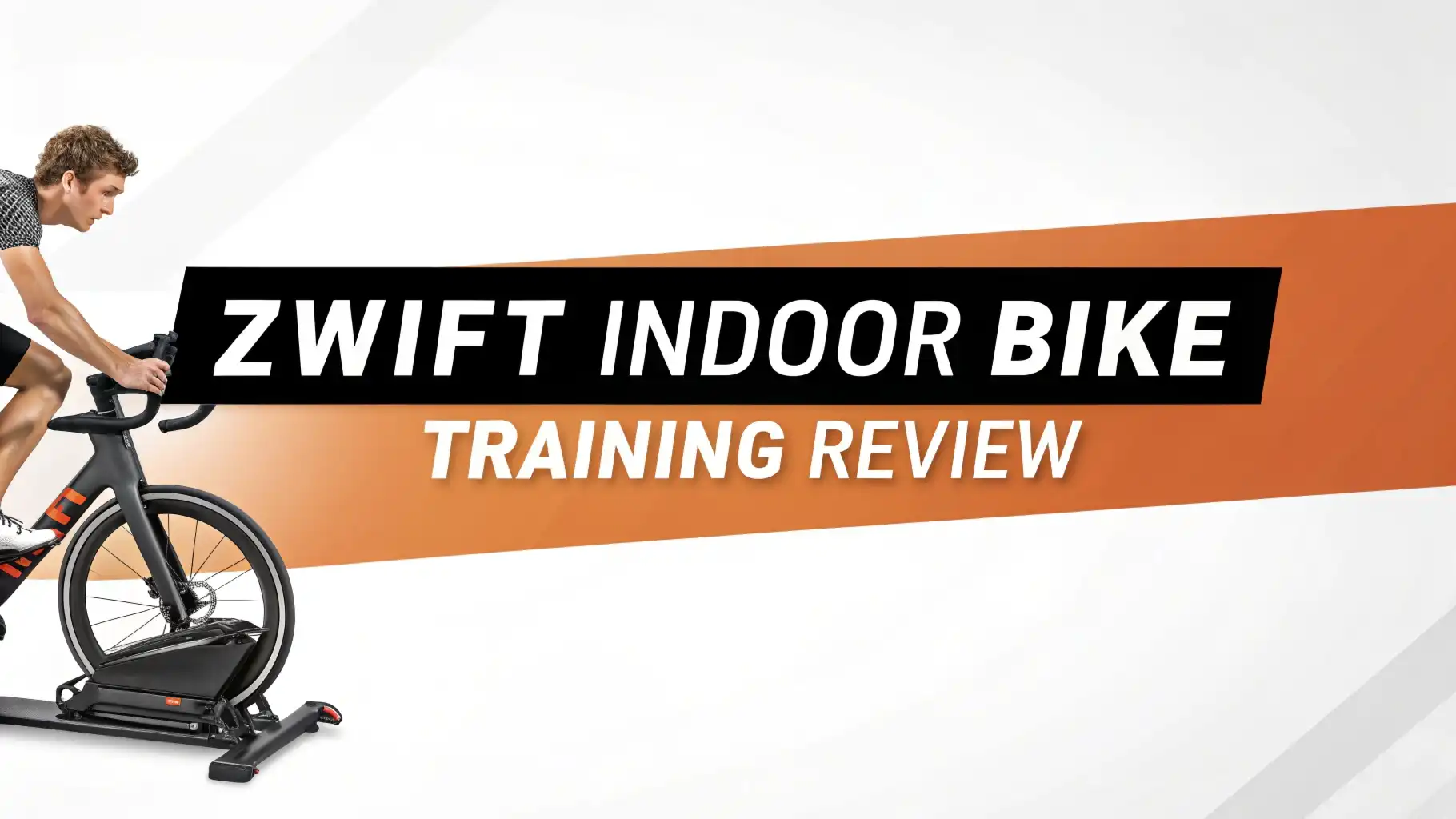
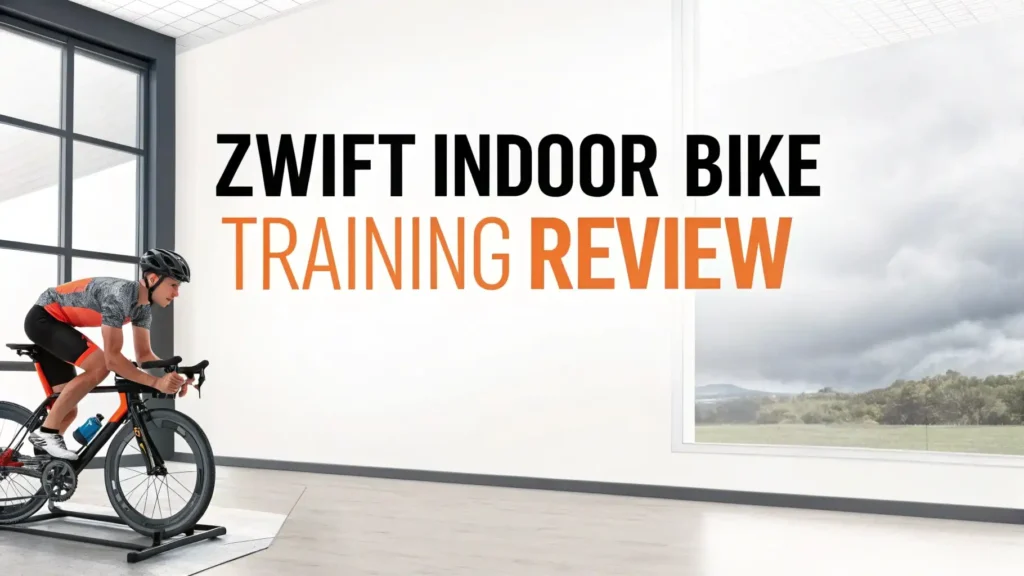
Zwift Indoor Bike Training Review: Worth the Price Tag?
Indoor cycling has changed how we train and stay fit. You can now ride with people from around the world without leaving your home.
Zwift makes indoor cycling fun by turning your training into a virtual adventure. You ride through amazing digital worlds, join group rides, and race against other cyclists. But you need the right equipment to start your Zwift journey.
This guide will help you pick the best indoor bikes and smart trainers for Zwift. We looked at dozens of products available on Amazon.
Key Takeaways
- Budget Matters: Smart trainers and Zwift-compatible bikes range from $300 to $3,500. You can start with basic setups and upgrade later. Mid-range options offer the best value for most riders.
- Direct Drive vs Wheel-On: Direct drive trainers give you better accuracy and quieter operation. Wheel-on trainers cost less and work great for beginners. Your choice depends on your budget and training goals.
- Resistance Simulation: Look for trainers that simulate grades up to 20%. This feature makes your Zwift rides feel more realistic. You’ll feel every climb and descent.
- Connectivity Options: Most modern trainers support Bluetooth and ANT+. These connections let you pair with multiple devices. You can use your phone, tablet, or computer without issues.
- Noise Levels: Quieter trainers mean happier neighbors and family members. Direct drive trainers produce less than 70 decibels during hard efforts. This is about as loud as normal conversation.
- Power Accuracy: Better trainers measure power within 1-2% accuracy. This precision helps you track your fitness improvements. You’ll know exactly how much stronger you’re getting.

Understanding Zwift and Indoor Bike Training
Zwift created a new way to train indoors. The platform combines gaming elements with serious training tools. You create an avatar that rides through virtual worlds. Your real pedaling power controls your avatar’s speed.
The system works with smart trainers and sensors. These devices send data to the Zwift app. The app adjusts resistance automatically based on the terrain. When you ride uphill in the game, your trainer gets harder to pedal.
You can join structured workouts or free ride. Group rides happen every hour. Racing options include everything from short sprints to long endurance events. The social features keep you motivated when training alone gets boring.
What Makes a Good Zwift Indoor Bike
A good Zwift bike needs several features. Accurate power measurement tops the list. You want to know your real output numbers. This helps you train at the right intensity.
Sturdy construction matters more than you think. You’ll be putting out serious watts during sprints. The bike needs to stay stable when you’re giving maximum effort. Look for heavy flywheels that create smooth, realistic resistance.
Adjustability helps you find the perfect fit. Seat height, handlebar position, and reach should all move. Good ergonomics prevent injuries during long rides. You’ll spend hours on this bike.
Connectivity should be simple and reliable. The bike must pair quickly with your devices. Dropped connections ruin your workout flow. Dual-band connectivity provides backup options.
Wahoo KICKR Smart Trainer
The Wahoo KICKR stands as the gold standard for indoor training. This direct drive trainer delivers professional-level accuracy. Power measurement stays within 1% of actual output.
Setup takes less than ten minutes. You remove your rear wheel and mount your bike to the trainer. The KICKR works with any bike that has a quick-release or thru-axle. Adaptors come in the box.
The flywheel weighs 16 pounds. This creates incredibly smooth resistance. You won’t feel any stuttering or surging. The trainer simulates grades up to 20%. Descents feel natural too.
WiFi connectivity sets the KICKR apart from competitors. You get more stable connections with less interference. Bluetooth and ANT+ still work if you need them. The trainer pairs with up to three devices simultaneously.
Noise levels stay remarkably low. Your neighbors won’t hear you training. The electromagnetic resistance system operates almost silently. Only your chain and breathing make sound.
The KICKR comes with a one-year subscription to Zwift. This adds serious value to your purchase. You save money while testing if Zwift matches your training style.
Tacx NEO 2T Smart Trainer

Tacx builds trainers that feel like outdoor riding. The NEO 2T simulates road vibrations and surface textures. You’ll feel cobblestones, gravel, and smooth asphalt. This feature makes virtual rides incredibly immersive.
The trainer needs no calibration ever. Accuracy stays perfect from day one. Power measurement hits 0.5% accuracy. This precision helps serious athletes track tiny improvements.
Installation mirrors other direct drive trainers. Your bike mounts in minutes. The NEO 2T includes adapters for all axle types. Compatibility covers road bikes, mountain bikes, and gravel bikes.
Dynamic inertia adjusts to your speed. The resistance feels natural at all cadences. Sprints feel explosive and realistic. Grinding climbs provide the same resistance as outdoor hills.
The trainer operates without external power for rides under 800 watts. This means true portability. You can train anywhere without finding an outlet. Higher power outputs require plugging in.
Descent simulation adds another layer of realism. The flywheel can drive your pedals forward on downhills. This matches the feeling of gravity pulling you down mountain roads.
Saris H3 Direct Drive Smart Trainer

Saris designed the H3 for riders who want quality without breaking the bank. This trainer costs less than premium options. But performance stays remarkably close to expensive models.
The 20-pound flywheel creates smooth, road-like resistance. You won’t notice any lag when the trainer adjusts power. Grade simulation reaches 20%. This covers the steepest climbs you’ll find on Zwift.
Power accuracy measures within 2%. This beats most wheel-on trainers significantly. The precision helps you follow structured workouts correctly. Your training zones stay accurate.
The H3 runs quietly enough for apartment living. Electromagnetic resistance produces minimal noise. You can train early morning or late night without disturbing anyone. Sound levels stay under 70 decibels.
Setup follows the standard direct drive pattern. Remove your rear wheel and mount your bike. The trainer comes with multiple axle adapters. Thru-axle and quick-release bikes both work perfectly.
Saris includes a two-year warranty. This shows confidence in their product quality. Customer service responds quickly when you need help. The company stands behind their trainers.
Top 3 Alternatives for Zwift Indoor Bikes


Schwinn IC4 Indoor Cycling Bike

The Schwinn IC4 offers a different approach to Zwift. This is a complete indoor bike rather than a trainer. You don’t need to mount your own bike. Everything comes ready to ride.
The 40-pound flywheel creates realistic momentum. Magnetic resistance provides 100 levels of adjustment. The bike connects to Zwift through Bluetooth. A dual-sided SPD pedal system lets you use clipless or regular shoes.
The frame handles riders up to 330 pounds. Steel construction ensures stability during hard efforts. The bike won’t rock or shake when you sprint. This safety feature matters more than many people realize.
A media rack holds your tablet or phone. Water bottle holders keep hydration within reach. The console tracks basic metrics even without Zwift. You’ll see cadence, resistance level, and estimated power.
Assembly requires basic tools and about an hour. Instructions are clear with helpful diagrams. Two people make the job easier but one person can manage. The bike arrives 85% assembled.
The IC4 costs significantly less than smart trainers plus a dedicated bike. This makes it perfect for budget-conscious beginners. You get everything needed to start Zwifting immediately.
Wahoo KICKR CORE

The KICKR CORE brings most features of the flagship KICKR to a lower price point. This trainer serves riders who want Wahoo quality without premium costs. Performance stays excellent for the money.
The 12-pound flywheel provides smooth resistance. This is lighter than the full KICKR but still creates realistic road feel. Power accuracy measures within 2%. This precision works great for structured training programs.
Grade simulation reaches 16%. This covers most climbs you’ll encounter on Zwift. The steepest virtual mountains might not feel quite as hard. But most riders won’t notice the difference.
Connectivity options include Bluetooth, ANT+, and direct connect. The trainer pairs quickly with all devices. Firmware updates happen automatically through the Wahoo app. You’ll always have the latest features.
Noise levels stay impressively low. The electromagnetic resistance operates quietly. You can train while others watch TV in the next room. Early morning sessions won’t wake your household.
The CORE works with bikes that have 130mm or 135mm rear spacing. Most road bikes fit perfectly. Mountain bikes might need an adapter. Wahoo sells these separately for different axle standards.
Elite Suito Direct Drive Trainer
Elite builds trainers in Italy with European precision. The Suito combines quality construction with accessible pricing. This trainer serves riders moving up from basic wheel-on units.
The integrated cassette simplifies setup significantly. You don’t need to buy or install a separate cassette. The trainer comes with an 11-speed Shimano-compatible cassette. This saves money and installation time.
Power measurement achieves 2% accuracy. The Suito measures power directly at the resistance unit. This eliminates variables that affect hub-based power meters. Your numbers stay consistent across all bikes.
Maximum resistance hits 1900 watts. This handles even the strongest sprinters. Gradient simulation reaches 15%. Most riders will find this adequate for Zwift’s virtual climbs.
The trainer folds for compact storage. Legs collapse to reduce the footprint by half. This feature helps apartment dwellers and people with limited space. You can slide the trainer under a bed or into a closet.
Elite includes a training mat and front wheel riser block. These accessories add value to your purchase. The mat protects your floor and reduces vibration. The riser block levels your bike for proper position.
Kinetic Road Machine Smart Trainer

The Kinetic Road Machine offers a different resistance system. This trainer uses fluid resistance instead of electromagnetic control. The design creates an incredibly realistic road feel.
Your rear wheel stays on for this wheel-on trainer. Setup takes seconds once you’ve adjusted the roller tension. You can switch between bikes quickly. This makes the trainer perfect for families sharing equipment.
The Smart Control adds electronic shifting of resistance. The trainer connects to Zwift and adjusts power automatically. You get erg mode for structured workouts. Resistance changes match the virtual terrain.
Power measurement comes from the hub-based sensor. Accuracy reaches 3% after calibration. This is less precise than direct drive trainers. But the difference won’t affect most training sessions.
YosudaIndoor Cycling Bike

The Yosuda bike targets riders wanting simple, reliable equipment. This budget option gets you on Zwift without expensive smart trainers. You’ll need separate sensors for cadence and power.
The 35-pound flywheel creates good momentum. Friction resistance adjusts with a simple knob. You control resistance manually during rides. This means you won’t get automatic grade changes from Zwift.
The frame uses commercial-grade steel. Weight capacity reaches 270 pounds. The bike stays stable during standing climbs and sprints. Four-way adjustable seat and handlebars help you find proper fit.
A cage and strap pedal system comes standard. You can upgrade to clipless pedals later. The crank arms accept standard pedals with 9/16-inch threads. This gives you flexibility for future improvements.
CADENCE2 Speed and Cadence Sensor

Sensors transform basic bikes into Zwift-compatible setups. The CADENCE2 tracks your pedaling speed and rhythm. This data lets Zwift estimate your power output. The system works surprisingly well.
Installation takes less than five minutes. The sensor straps to your crank arm with a rubber band. No tools are needed. The unit is completely wireless and weatherproof.
Battery life extends beyond a year. The sensor uses a standard CR2032 coin cell. Replacement batteries cost less than two dollars. Auto-sleep mode preserves power when you’re not riding.
The CADENCE2 supports both Bluetooth and ANT+. This dual connectivity works with phones, tablets, and computers. You can connect to multiple devices simultaneously. This lets you record rides on different platforms.
Garmin Speed Sensor 2

Garmin builds sensors that integrate with their ecosystem. The Speed Sensor 2 mounts to your wheel hub. It measures your exact speed based on wheel rotations. This data helps Zwift calculate your power.
The compact design attaches to your hub with a rubber band. Setup requires no tools and takes two minutes. The sensor is small enough that you’ll forget it’s there. Aerodynamics remain unchanged.
Battery life reaches 12 months with regular use. The unit uses a standard CR2032 battery. A low battery warning gives you plenty of time to replace it. You won’t lose data mid-ride.
The sensor pairs with Garmin devices and third-party apps. Bluetooth and ANT+ connections work simultaneously. This flexibility helps if you use multiple training platforms. Data stays synchronized across all your devices.
Zwift Hub Smart Trainer
Zwift created their own trainer to offer the perfect entry point. The Hub provides direct drive quality at an accessible price. This trainer comes optimized for Zwift right out of the box.
The included cassette matches Zwift’s recommended gearing. You won’t need to buy additional components. Installation follows standard direct drive procedures. Your bike mounts quickly and securely.
Power accuracy measures within 2.5%. The Hub captures your efforts precisely enough for effective training. Grade simulation reaches 16%. This covers the majority of climbs you’ll encounter in game.
The trainer connects via Bluetooth and ANT+. Pairing happens automatically through the Zwift app. The system recognizes the Hub immediately. This eliminates connection troubleshooting.
How to Choose Your Perfect Zwift Setup
Consider your budget first. Smart trainers range from $500 to $1,500. Complete indoor bikes start around $300. Add the cost of sensors if you choose a basic bike. A realistic budget prevents disappointment later.
Think about your training goals. Serious athletes benefit from accurate power measurement. Casual riders might prioritize fun over precision. Your fitness level influences how much accuracy matters.
Space availability affects your choices. Direct drive trainers fold smaller than complete bikes. Consider where you’ll store equipment between rides. Measure your available space before purchasing.
Noise tolerance varies by living situation. Apartment dwellers need quieter trainers. Homeowners with dedicated training spaces have more flexibility. Consider your household dynamics and neighbor proximity.
Setting Up Your Zwift Indoor Bike
Start by choosing your training space. You need good ventilation and stable flooring. A fan keeps you cool during hard efforts. Temperature control affects your performance significantly.
Place your trainer on a mat. This protects your floor from sweat and vibration. The mat reduces noise transmission too. Position a front wheel block to keep your bike level.
Install your bike on the trainer following manufacturer instructions. Check that all connections lock securely. Test stability by rocking the bike gently. Nothing should move or creak.
Download the Zwift app on your preferred device. Create your account and customize your avatar. Enter your accurate weight and height. These numbers affect your in-game performance.
Pair your trainer with the Zwift app. The app searches for nearby devices automatically. Select your trainer from the list. Test the connection by pedaling briefly.
FAQs
Can I use a regular bike with Zwift?
Yes, you can use your regular bike with Zwift. You need either a smart trainer or basic trainer plus sensors. Smart trainers measure power directly and adjust resistance automatically. Basic trainers require separate sensors for speed and cadence.
How accurate is virtual power on Zwift?
Virtual power estimates your output based on speed and cadence. Accuracy ranges from 5% to 15% depending on conditions. This works fine for casual riding and basic fitness tracking.
Do I need expensive equipment to enjoy Zwift?
You don’t need expensive gear to start Zwifting. Basic setups cost $300-$500 total. A simple indoor bike plus sensors gets you riding virtual roads. The experience is fun even without premium features.
How much space do I need for a Zwift setup?
Minimum space measures about 6 feet by 4 feet. This includes your bike, trainer, and small movement area. You can fit a basic setup in a spare bedroom corner. Dedicated space works better than temporary setups.
What subscription costs should I expect?
Zwift charges $14.99 per month for unlimited riding. This includes all worlds, routes, and features. Annual subscriptions aren’t currently available. Some trainers include trial periods of 1-3 months.
How loud are indoor bike trainers?
Wheel-on trainers produce 70-80 decibels during hard efforts. This is similar to a vacuum cleaner running. Neighbors in apartments might hear your training sessions. Direct drive trainers operate much more quietly.
Can I train for real races using Zwift?
Yes, Zwift provides excellent training for outdoor racing. Structured workout plans build specific fitness qualities. Power-based training transfers directly to road performance. Many professional cyclists use Zwift during bad weather.
What happens if my internet connection drops?
Zwift requires continuous internet to function. A dropped connection pauses your ride. Your data saves automatically every few seconds. You’ll resume where you disconnected once internet returns.
How often should I calibrate my trainer?
Smart trainers need calibration every few weeks. Some models calibrate automatically when you start riding. Others require manual spin-down tests. Follow your manufacturer’s specific recommendations.
Is Zwift worth the investment for casual riders?
Zwift adds fun to indoor training even for casual riders. The gaming elements keep you entertained during boring rides. Social features connect you with riders worldwide. Many casual cyclists discover new motivation through Zwift.