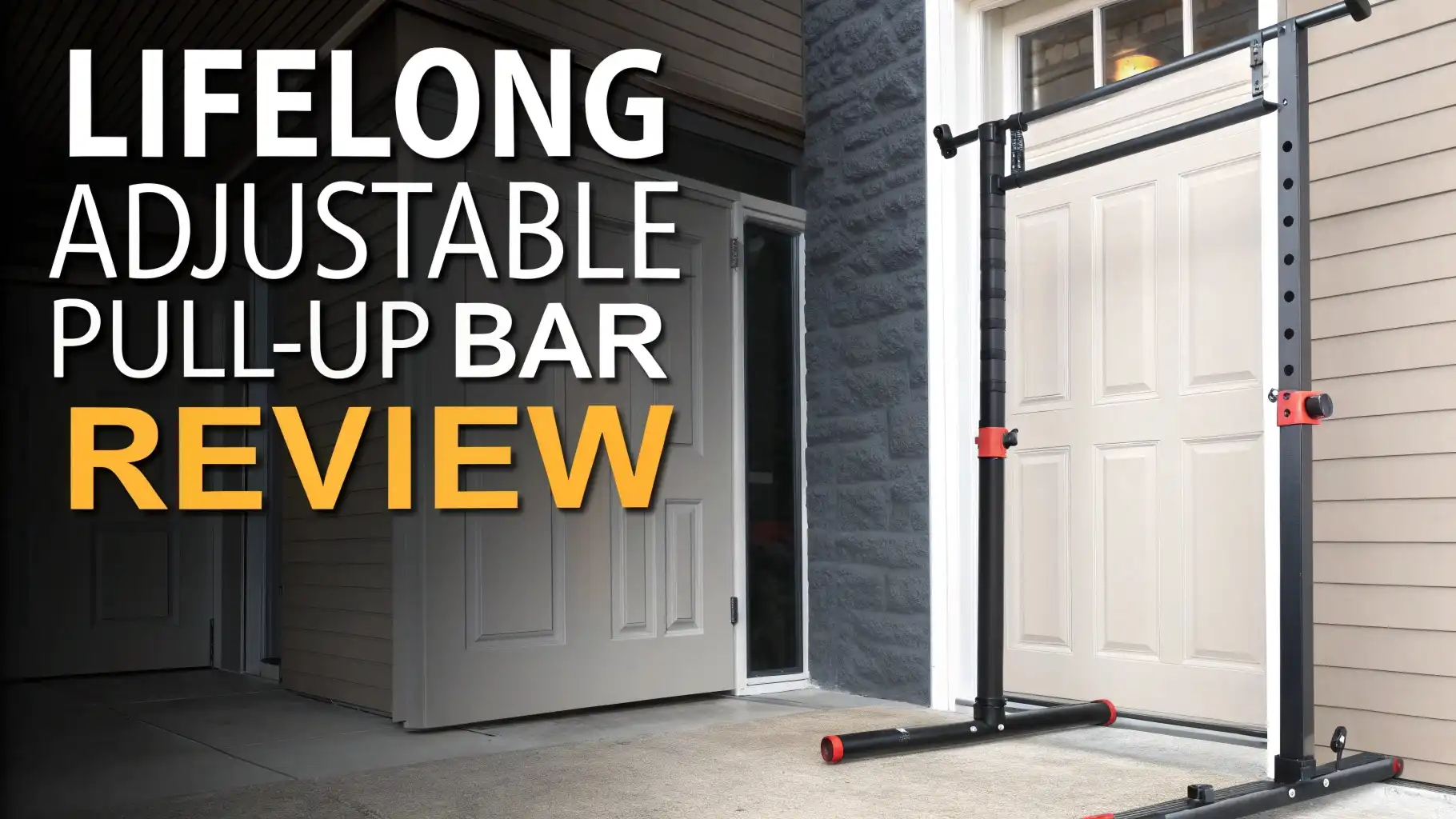
Lifelong Adjustable Pull-Up Bar Review: Worth the Price Tag?
Getting fit at home has become a lifestyle choice for millions of people. You want convenience, results, and equipment that actually works.
A pull-up bar might seem like a simple piece of equipment, but it can revolutionize your upper body training.
Today, we’re diving deep into the Lifelong Adjustable Pull-Up Bar and exploring the best options available on Amazon that can help you build serious strength without stepping foot in a gym.

Key Takeaways:
- Adjustable pull-up bars offer versatility that fixed models simply cannot match, allowing multiple family members or roommates to use the same equipment at customized heights that suit their body proportions and fitness levels.
- Installation type matters significantly because doorway bars work differently than wall-mounted or ceiling-mounted options, each having specific advantages depending on your living situation, wall material, and whether you rent or own your home.
- Weight capacity should exceed your body weight by at least 50 pounds to ensure safety during dynamic movements like kipping pull-ups or when you eventually add weighted vests to increase resistance and challenge your muscles further.
- Grip variety transforms your workouts from basic to comprehensive because different hand positions target various muscle groups including lats, biceps, forearms, and shoulders, preventing workout plateaus and reducing overuse injuries.
- Quality construction with proper padding protects both your doorframe and your hands during intense training sessions, while sturdy materials ensure longevity that justifies the investment compared to cheaper alternatives that fail within months.
- Amazon offers competitive pricing and customer reviews that provide real-world insights into product performance, durability issues, and installation challenges that marketing materials typically gloss over or completely ignore.

- 💪【HIGH LOAD BEARING CAPACITY - 440LBS】Constructed with high-quality steel tube. The strength...
- 💪【ADJUSTABLE PULL UP BARS】Door frame pull up bar adjustable length for easy fitting in most...

Last update on 2026-06-27 / Affiliate links / Images from Amazon Product Advertising API Some of the links on this website are affiliate links, which means that at no additional cost to you, I earn a commission if you click through and make a purchase. I only recommend products and services that I believe will add value to my readers. Thank you for your support!
Understanding the Lifelong Adjustable Pull-Up Bar
The Lifelong brand has built a reputation for delivering affordable fitness equipment that doesn’t sacrifice quality. Their adjustable pull-up bar represents their commitment to making home fitness accessible to everyone.
This equipment allows you to perform various exercises beyond standard pull-ups, including chin-ups, hanging leg raises, and even resistance band training when you attach bands to the bar.
The adjustable feature means you can customize the height according to your ceiling clearance and personal preferences. This flexibility makes it suitable for apartments, home gyms, and even garage workout spaces.
The bar typically accommodates different grip widths, which activates different muscle groups during your training. Wider grips emphasize your lats, while narrower grips target your biceps more intensely.
Why Pull-Up Bars Are Essential for Home Fitness
Pull-ups rank among the most effective bodyweight exercises you can perform. They engage multiple muscle groups simultaneously, including your back, shoulders, arms, and core.
Unlike machines at commercial gyms, pull-up bars force your body to work as a coordinated unit, improving functional strength that translates to real-world activities.
The beauty of pull-up training lies in its scalability. Beginners can start with assisted variations using resistance bands or by doing negative pull-ups.
As strength increases, you can progress to standard pull-ups, then advance to weighted pull-ups or more challenging variations like muscle-ups. This progression potential makes pull-up bars valuable for years, not just months.
Top 3 Alternatives for Lifelong Adjustable Pull-Up Bar

- New & Improved CrossGrips 2.0: Features a moulded hood to prevent handle sagging, thicker steel...
- PORTABLE DOORWAY GYM: Work from home fitness has never been easier with Jayflex CrossGrips...
Last update on 2026-06-27 / Affiliate links / Images from Amazon Product Advertising API Some of the links on this website are affiliate links, which means that at no additional cost to you, I earn a commission if you click through and make a purchase. I only recommend products and services that I believe will add value to my readers. Thank you for your support!

- 【High Quality Material】ZENOVA Pull Up Bar Dip Station is made of thickened and thick steel...
- 【Home Multi-function】With the multi-functional pull up station, you can do pull-ups at home at...
Last update on 2026-06-27 / Affiliate links / Images from Amazon Product Advertising API Some of the links on this website are affiliate links, which means that at no additional cost to you, I earn a commission if you click through and make a purchase. I only recommend products and services that I believe will add value to my readers. Thank you for your support!

- GET OUT OF THE DOORWAY: Effectively build muscle across the chest, arms, back, and core with...
- BUILT FOR REAL WORKOUTS: Premium heavy steel tubing supports up to 300 pounds. Exclusive ABS...
Last update on 2026-06-27 / Affiliate links / Images from Amazon Product Advertising API Some of the links on this website are affiliate links, which means that at no additional cost to you, I earn a commission if you click through and make a purchase. I only recommend products and services that I believe will add value to my readers. Thank you for your support!
Installation Options and Considerations
Different pull-up bars require different installation methods. Doorway models use leverage and pressure against the door frame, requiring no permanent mounting. These work well for renters who cannot drill holes in walls. However, they typically have lower weight capacities and less stability compared to mounted versions.
Wall-mounted pull-up bars offer superior stability and weight capacity. They require drilling into wall studs, making them semi-permanent installations.
This option works best for homeowners or those with landlord permission. The fixed nature means you need to choose the installation height carefully, considering all potential users.
Ceiling-mounted bars provide excellent stability and often allow for the widest grip options. They work particularly well in garages or dedicated home gym spaces with exposed beams.
Installation requires locating ceiling joists and using appropriate hardware for the ceiling material. This method keeps floor and wall space clear, maximizing your workout area.
Weight Capacity and Safety Features
Weight capacity represents a critical safety specification that you should never ignore. Most quality pull-up bars support between 220 to 440 pounds. You need a bar rated for significantly more than your body weight because dynamic movements create forces exceeding your static weight.
Safety features include non-slip grip surfaces, reinforced mounting points, and locking mechanisms that prevent accidental adjustment during use. Quality bars include protective padding for door frames to prevent damage during installation and use. This padding also absorbs some vibration, making your workouts quieter.
Check for certification marks indicating the product meets safety standards. Reviews from verified purchasers provide insights into real-world durability and any potential safety issues.
Pay attention to comments about stability during explosive movements like kipping pull-ups, which stress equipment more than slow, controlled repetitions.
Grip Variations and Exercise Possibilities
Multiple grip positions multiply the exercise variations possible with a single pull-up bar. Wide grip pull-ups emphasize your latissimus dorsi muscles, creating that coveted V-shaped back. Medium grip positions distribute effort more evenly across back muscles while still providing excellent development.
Close grip pull-ups and chin-ups shift emphasis toward biceps and lower lats. Neutral grip positions, where palms face each other, reduce shoulder stress while still providing excellent back and arm development. This variety prevents overuse injuries and keeps workouts interesting over months and years.
Beyond pulling movements, pull-up bars enable hanging exercises like leg raises for core development. You can perform hanging knee raises, straight leg raises, or even advanced movements like windshield wipers. These exercises build remarkable core strength and stability that improves all athletic performance.
Comparing Lifelong to Other Top Brands
The fitness equipment market offers numerous pull-up bar brands at various price points. Iron Gym dominates the doorway pull-up bar category with their leverage-based design that requires no installation. Their products typically cost between thirty to fifty dollars and receive consistently positive reviews for basic use.
Perfect Fitness offers both doorway and wall-mounted options with ergonomic grips designed to reduce hand and wrist strain. Their products typically include workout guides, which benefit beginners unfamiliar with proper pull-up progression. Prices range from forty to eighty dollars depending on the model.
Rogue Fitness represents the premium end of the market with commercial-grade equipment built for serious athletes.
Their wall-mounted bars support extremely heavy loads and feature powder-coated finishes that resist sweat corrosion. Expect to invest one hundred to three hundred dollars for their products, but durability justifies the cost for dedicated users.
Assembly and Setup Process
Most pull-up bars arrive partially assembled, requiring connection of major components. The process typically takes fifteen to thirty minutes for doorway models and thirty to sixty minutes for wall or ceiling-mounted versions. Clear instructions with diagrams make assembly straightforward for people with basic tool skills.
You will need common tools including a drill, screwdriver, level, and measuring tape for mounted versions. Doorway models usually require only a screwdriver for minor adjustments.
Having a second person helps with installation, particularly for positioning wall-mounted bars at precise heights and holding equipment while marking mounting holes.
Testing the installation before full use prevents accidents. Start with partial body weight, then gradually increase load while monitoring for any movement or unusual sounds.
Tighten all connections after initial testing, as slight settling is normal during first use. Follow manufacturer torque specifications if provided to avoid over-tightening that could strip threads.
Maintenance and Longevity
Regular cleaning extends pull-up bar life significantly. Wipe down grips after workouts to remove sweat, which causes metal corrosion and degrades foam padding.
Use mild soap and water rather than harsh chemicals that might damage protective coatings. Dry thoroughly after cleaning to prevent rust formation on exposed metal components.
Inspect mounting hardware monthly, especially during the first few months of use. Door frames naturally flex slightly, which can loosen mounting bolts over time.
Tighten any loose connections immediately. For wall-mounted bars, check for cracks in the wall around mounting points, which indicate improper installation or exceeding weight capacity.
Foam padding eventually compresses and tears with regular use. Replace padding when grip comfort decreases or when foam shows visible damage. Most manufacturers sell replacement padding separately. Some users prefer athletic tape or specialized grip wraps for enhanced comfort and improved grip during sweaty workouts.
Price Comparison and Value Analysis
Pull-up bar prices range dramatically from twenty dollars for basic doorway models to several hundred dollars for premium wall-mounted systems.
Budget options under thirty dollars typically feature basic construction with limited adjustability and lower weight capacities. These work fine for lighter users doing occasional workouts but may not withstand daily intensive training.
Mid-range products between forty and eighty dollars offer better construction quality, higher weight capacities, and often include ergonomic features like angled grips and thicker padding. This price range represents the sweet spot for most home fitness enthusiasts who want reliable equipment without premium pricing.
Premium options exceeding one hundred dollars feature commercial-grade construction, extensive warranties, and often modular designs allowing expansion with additional attachments.
Serious athletes and those planning long-term dedicated home gym setups find value in these investments despite higher upfront costs.
Customer Reviews and Real-World Performance
Amazon customer reviews provide invaluable insights into actual product performance beyond marketing claims.
Look for reviews from verified purchasers who have used products for several months, as initial impressions sometimes differ from long-term experience. Pay attention to recurring themes across multiple reviews rather than isolated comments.
Common praise for adjustable pull-up bars includes installation ease, grip comfort, and stability during use.
Customers appreciate products that match stated dimensions and weight capacities. Positive reviews often mention excellent customer service when issues arise and clear instructions that make assembly straightforward.
Frequent complaints involve misleading weight capacity claims, poor quality control resulting in missing hardware or damaged components, and inadequate instructions.
Some reviews note foam padding degradation occurs more quickly than expected. Door frame compatibility issues appear in reviews when product dimensions don’t match advertised specifications.
Space Requirements and Design Aesthetics
Doorway pull-up bars require no dedicated floor space but need adequate clearance above and below the installation point.
You need enough ceiling height to hang with arms extended without touching the floor, plus space to perform full pull-ups without hitting your head. Standard ceiling heights of eight feet work for most users, but measure carefully if you’re particularly tall.
Wall-mounted bars extend approximately twenty to forty inches from the wall depending on the design.
Consider this projection when planning placement to ensure adequate space for your body to hang and pull without hitting the wall. Some designs feature folding mechanisms that reduce space requirements when not in use, ideal for multi-purpose rooms.
Modern pull-up bars come in various finishes including powder-coated steel, chrome, and matte black.
Choose finishes that complement your existing decor if appearance matters in your installation location. Some manufacturers offer color customization options for an additional fee, allowing the equipment to blend with or accent your room design.
Frequently Asked Questions
How much weight can the Lifelong Adjustable Pull-Up Bar support?
The Lifelong Adjustable Pull-Up Bar typically supports between 220 to 330 pounds depending on the specific model. Always check the product specifications for your exact model before use. The weight capacity assumes proper installation following manufacturer instructions. Dynamic movements like kipping pull-ups create forces exceeding static body weight, so maintain a safety margin.
Can I install a pull-up bar without damaging my door frame?
Doorway pull-up bars can be installed without permanent damage if you follow proper procedures. Use the included protective padding against the door frame to prevent scratches and dent marks. Ensure even pressure distribution across contact points rather than concentrated stress in small areas. Remove the bar periodically to check for any frame damage.
What exercises can I perform on an adjustable pull-up bar besides pull-ups?
Adjustable pull-up bars enable dozens of exercises beyond standard pull-ups. Chin-ups with underhand grip emphasize biceps more than overhand pull-ups. Hanging leg raises, knee raises, and L-sits build remarkable core strength. You can perform negative pull-ups for strength building when full pull-ups remain too challenging. Resistance bands attached to the bar enable rows, chest presses, and other movements.
How do I progress if I cannot do a single pull-up yet?
Several effective methods help beginners progress toward their first unassisted pull-up. Resistance bands looped over the bar and under your feet provide assistance that makes the movement achievable. Negative pull-ups, where you jump to the top position and slowly lower yourself, build eccentric strength that translates to pulling power. Assisted pull-up machines at gyms allow precise load adjustment. Bent-over rows and lat pulldowns strengthen the same muscles used in pull-ups.
Is a doorway bar or wall-mounted bar better for home use?
The better option depends on your specific situation and fitness goals. Doorway bars offer portability, no permanent installation, and work perfectly for renters or those who move frequently. They cost less but typically support less weight and provide fewer grip variations. Wall-mounted bars deliver superior stability, higher weight capacities, and usually allow wider grip options. They require drilling into studs and create permanent holes in your walls.
How often should I replace the foam padding on my pull-up bar?
Foam padding replacement depends on usage frequency and padding quality. Light users performing a few sets weekly might use original padding for two to three years before noticing significant degradation. Daily users with intense training sessions may need replacement every six to twelve months. Signs indicating replacement needs include visible foam tears, reduced cushioning that causes hand discomfort, or padding that slides along the bar during use.
Can multiple family members with different heights use the same adjustable bar?
Adjustable pull-up bars specifically address this need by allowing height customization between users. Most models adjust through a range of twelve to twenty-four inches, accommodating different user heights and ceiling clearances. The adjustment mechanism typically involves loosening collar clamps, sliding the bar to the desired height, and retightening. This process takes thirty seconds to two minutes depending on the design.
What ceiling height do I need for a pull-up bar installation?
Standard residential ceiling heights of eight feet work for most people under six feet tall. Calculate your required height by adding your height plus arm length plus twelve inches for pull-up motion clearance. Someone who is six feet tall with thirty-inch arms needs approximately nine feet two inches total clearance. You also need six to twelve inches above the mounting point for hardware clearance depending on the bar design.
Are expensive pull-up bars really worth the extra cost?
The value of expensive pull-up bars depends on your training intensity and longevity expectations. Budget bars under forty dollars work fine for occasional use by lighter individuals but may develop issues with daily intensive training. Mid-range options between fifty and one hundred dollars offer better construction quality, improved comfort features, and longer warranties that justify slightly higher costs for regular users.
How do I prevent hand calluses when doing frequent pull-ups?
Hand calluses develop from friction between your skin and the bar during pulling movements. Several strategies reduce callus formation while maintaining grip security. Wearing workout gloves provides padding that reduces friction, though some athletes dislike the reduced grip feedback. Gymnastic grips or lifting straps distribute pressure more evenly across your hands.

Hi, I’m Elowen Porter, the creator of GreenLight.blog.
I share honest reviews and insights on supplements and Amazon health products to help you make smarter wellness choices.
With a passion for natural living and evidence-based products, I dig deep to find what truly works.
My goal is to simplify your supplement search with real results and trusted recommendations.
Let’s make healthy living a little easier—one product at a time.