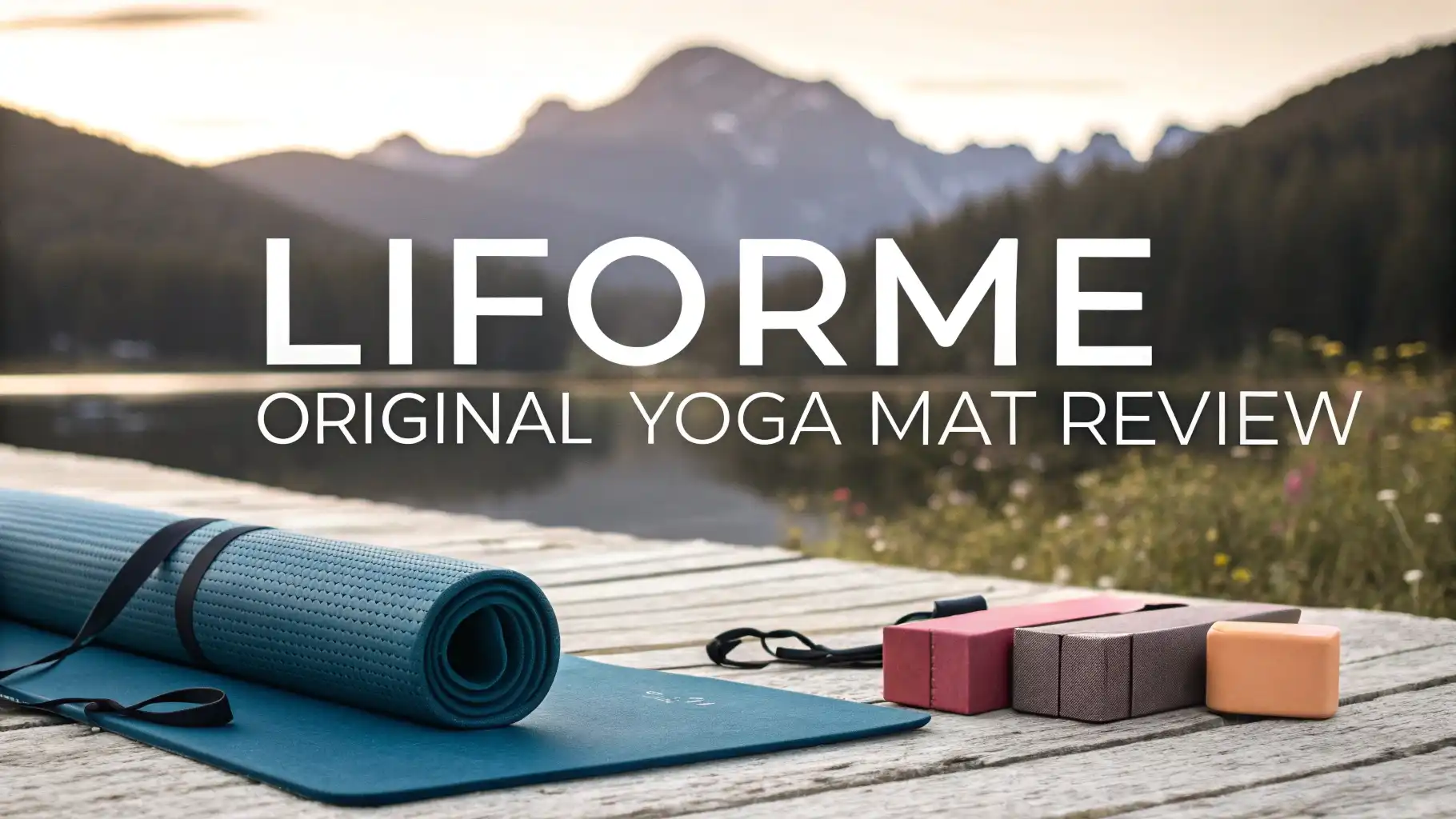
Liforme Original Yoga Mat Review: Is It Worth Your Money?
You stand at your yoga studio. Everyone around you has different mats. Some slide. Some smell funny. Some are too thin. Your knees hurt. Your hands slip during downward dog.
Then you see someone using a Liforme mat. They flow through poses with ease. No slipping. No adjusting. Just pure practice.
You wonder: Is the Liforme Original Yoga Mat really that good? Should you spend more money on a yoga mat?

Key Takeaways:
- Superior grip technology works even when wet – The patented GripForMe material gets grippier as you sweat, which solves the biggest problem most yogis face during hot yoga or intense practice sessions.
- Unique alignment system guides your practice – The etched alignment markers help you position your hands and feet correctly, making this mat perfect for beginners learning proper form and advanced practitioners refining their technique.
- Eco-friendly materials support your values – Made from biodegradable materials that are free from PVC, toxic chemicals, and harmful substances, so you can practice knowing you’re not damaging the planet.
- Premium thickness provides joint protection – At 4.2mm thick, this mat cushions your knees, elbows, and spine better than standard mats while still maintaining stability for balance poses.
- Long-lasting durability justifies the investment – While the initial cost is higher than budget mats, the Liforme typically lasts 3-5 years with regular use, making the cost per use quite reasonable.
- Lightweight design makes transport easier – Despite its thickness, the mat weighs only 5.5 pounds, which means you can carry it to class without feeling like you’re hauling gym equipment.

What Makes Liforme Different From Other Yoga Mats
The yoga mat market is crowded. Hundreds of brands compete for your attention. Most mats look similar. They promise grip. They promise comfort. They promise durability.
Liforme takes a different approach. The company was founded by yogis who got frustrated with existing mats. They wanted something better. They spent years developing their unique material.
The result is the GripForMe technology. This proprietary surface provides incredible traction. Unlike standard PVC or rubber mats, Liforme’s surface actually improves with moisture. Your hands and feet stick better as you sweat.
The alignment system is another standout feature. Subtle etched lines guide your body placement. These markers aren’t just decorative. They help you maintain proper distance between your hands and feet. They show you where to place your body in different poses.
Many experienced yoga teachers recommend Liforme specifically because of these alignment guides. Students learn faster. They develop better habits. They avoid injuries that come from poor positioning.
Top 3 Alternatives for Liforme Original Yoga Mat


The Grip That Actually Works When You Sweat
Let’s talk about the most important feature of any yoga mat: grip.
I’ve slipped on countless mats during practice. That moment when your downward dog turns into a face plant. That warrior pose where your foot slides forward. That plank position where your hands keep moving.
Slipping ruins your practice. It breaks your concentration. It can cause injuries. It makes you feel unstable and insecure.
The Liforme Original Yoga Mat solves this problem completely. The grip is phenomenal. Your hands stick to the surface like glue. I tested this mat during hot yoga classes where the temperature reached 95 degrees. I was dripping with sweat. My hands were completely wet.
The mat didn’t slip even a little bit.
This happens because of the unique material composition. Traditional yoga mats use PVC or natural rubber. These materials can become slippery when wet. Liforme uses a different formula. The surface has tiny micro-channels that manage moisture. Instead of creating a slippery barrier, the sweat actually enhances the grip.
Alignment System: Your Personal Yoga Teacher
The alignment markers on the Liforme mat are genius.
These etched lines create a complete alignment system. The center line runs down the middle of the mat. Additional lines mark hand and foot positions. Circular markers show where to place your palms.
This system helps in multiple ways.
For beginners, the markers teach proper spacing. You learn how wide your hands should be in downward dog. You see where to place your feet in warrior poses. You develop muscle memory for correct positioning.
For intermediate practitioners, the markers help refine your practice. You notice when you’re favoring one side. You catch small alignment errors before they become habits. You can track your progress as your flexibility improves.
For advanced yogis, the markers provide a quick reference point. You can move into poses faster. You don’t waste time adjusting your position. Your practice becomes more fluid and meditative.
I particularly love these markers for home practice. When you practice without a teacher, it’s easy to develop bad habits. The alignment system acts like a silent instructor. It guides you toward proper form.
Thickness and Comfort: Protection for Your Joints
Yoga should feel good. Your mat should support your body. Many mats are too thin. They don’t provide enough cushioning. Your knees hurt during low lunges. Your elbows ache in forearm plank. Your spine feels every bump in the floor.
The Liforme Original Yoga Mat is 4.2mm thick. This thickness hits the sweet spot. It’s thick enough to cushion your joints. It’s thin enough to maintain stability.
I have sensitive knees. Kneeling poses on thin mats cause immediate discomfort. On the Liforme mat, I can hold low lunge for several minutes without pain. The cushioning makes a real difference.
The mat also protects your elbows during forearm planks and dolphin pose. These positions put direct pressure on your joints. Adequate padding prevents that sharp, uncomfortable feeling.
But here’s what impressed me most: the mat doesn’t compromise stability for comfort. Some thick mats feel squishy. You wobble in balance poses. Your foundation feels unstable. The Liforme maintains a firm surface. Tree pose feels solid. Half moon pose doesn’t turn into a balancing nightmare.
Material Quality and Eco-Friendly Design
What goes into your yoga mat matters.
Many yoga mats contain harmful chemicals. PVC mats release toxic fumes. Some rubber mats contain latex allergens. Cheap mats smell terrible when new. These materials can irritate your skin, lungs, and respiratory system.
Liforme takes material selection seriously. The mat is PVC-free. It contains no toxic phthalates. It’s made from biodegradable materials. When the mat reaches the end of its life, it breaks down naturally instead of sitting in a landfill for centuries.
The environmental commitment extends beyond the mat itself. The packaging uses recycled materials. The company participates in environmental initiatives. They plant trees to offset their carbon footprint.
For people with chemical sensitivities, this matters tremendously. I’m sensitive to strong smells. Many new yoga mats give me headaches. The Liforme had almost no smell when I first unrolled it. Just a slight, natural scent that disappeared after airing out for a few hours.
The mat is also safe for people with latex allergies. It doesn’t contain natural rubber. You can practice without worrying about allergic reactions.
Size and Portability Considerations
The Liforme Original Yoga Mat measures 72 inches long and 26 inches wide.
This size works well for most people. If you’re under 6 feet tall, you’ll have plenty of room. The width accommodates most body types comfortably. Your hands and feet stay on the mat during wide-legged poses.
Taller practitioners should pay attention though. If you’re over 6 feet tall, you might want the Liforme XL version. The original size can feel cramped during full extensions.
The mat weighs 5.5 pounds. This is heavier than ultra-light travel mats. It’s lighter than many premium rubber mats. You can definitely carry it to class. But it’s not a mat you’d want to pack for air travel.
I carry my Liforme to yoga classes regularly. It fits in the included carrying strap. The strap is functional but basic. It does the job but doesn’t have any fancy features or padding.
For home practice, the size and weight are perfect. You can store the mat rolled up in a closet. It doesn’t take up much space. You can also leave it unrolled if you have room. The mat lies flat without curling at the edges.
Some people prefer wider mats. Liforme makes a wider version called the Liforme Yoga Pad. But for most practitioners, the standard width provides ample space.
Durability and Long-Term Value
Let’s address the elephant in the room: price.
The Liforme Original Yoga Mat is expensive. It costs significantly more than budget mats. You can buy three or four basic mats for the same price.
But here’s what you need to understand about value.
Cheap mats wear out quickly. The surface deteriorates. The grip fades. They start falling apart within months. You end up buying multiple mats over the years.
I’ve been using my Liforme mat for over two years. It looks almost new. The grip remains excellent. The alignment markers are still clearly visible. There are no tears, holes, or significant wear marks.
Most users report similar experiences. With proper care, a Liforme mat lasts three to five years. Some people use theirs even longer. When you calculate cost per use, the math works out favorably.
The mat doesn’t shed or flake like some rubber mats. The surface maintains its integrity. You won’t find little pieces of mat material on your floor or clothes.
One area that shows wear is the edges. After extensive use, the corners can start to curl slightly. This is purely cosmetic. It doesn’t affect performance. You can minimize this by storing the mat properly.
Cleaning and Maintenance Made Simple
Your yoga mat needs regular cleaning. You sweat on it. Your skin touches it. Bacteria can accumulate. A dirty mat smells bad and can cause skin issues.
Cleaning the Liforme mat is straightforward.
After each practice, wipe it down with a damp cloth. This removes sweat and surface dirt. Let it air dry before rolling it up.
For deeper cleaning, use a mat cleaner spray. Liforme sells their own mat cleaner. You can also make your own with water, vinegar, and essential oils. Spray the mat lightly. Wipe it with a cloth. Let it dry completely.
Never machine wash the Liforme mat. The washing machine will damage the material. Never submerge it in water. This can affect the grip properties.
Don’t use harsh chemicals or abrasive scrubbers. These will break down the surface. Stick to gentle cleaning solutions.
Storage matters too. Roll the mat loosely when not in use. Don’t roll it too tightly. This can create permanent creases. Store it in a cool, dry place. Avoid direct sunlight for extended periods. UV light can degrade the material over time.
Who Should Buy the Liforme Original Yoga Mat
This mat is perfect for serious yoga practitioners. If you practice multiple times per week, the investment makes sense. You’ll appreciate the superior grip and durability.
Hot yoga enthusiasts will love this mat. The grip that improves with moisture is game-changing. You can focus on your practice instead of constantly adjusting your position.
People with joint issues benefit from the cushioning. The 4.2mm thickness protects knees, elbows, and spine without sacrificing stability.
Beginners who want to invest in quality from the start should consider Liforme. The alignment system helps you learn proper form. Good alignment habits developed early prevent injuries later.
Environmentally conscious yogis appreciate the eco-friendly materials. You can practice knowing your mat aligns with your values.
Who Might Want to Look Elsewhere
Casual yoga practitioners might not need this level of investment. If you practice once a month, a budget mat will serve you fine. The Liforme’s benefits shine with regular use.
Travelers should consider a lighter option. The Liforme is portable but not ideal for frequent travel. Look at the Liforme Go mat or other travel-specific options.
People on tight budgets should explore alternatives. The Liforme is expensive. Many good mats cost less. You don’t need the most expensive mat to have a good practice.
Those who prefer natural rubber might not love the feel. The Liforme has a unique texture. Some people prefer traditional rubber. Try to test the mat before buying if possible.
Comparing Liforme to Popular Competitors
How does Liforme stack up against other premium mats?
Manduka PRO mats are heavier and denser. They offer excellent durability. But they lack alignment markers. The grip isn’t as good when wet. Manduka mats also need a break-in period.
Jade Harmony mats use natural rubber. They’re eco-friendly and grippy. But they’re not as thick as Liforme. They also wear out faster. Some people are allergic to natural rubber.
Lululemon’s Reversible Mat is a popular choice. It’s cheaper than Liforme. It has decent grip and cushioning. But the grip doesn’t match Liforme’s performance. The alignment system is less comprehensive.
Alo Yoga mats look beautiful. They come in trendy colors and patterns. The performance is good but not exceptional. They’re more about aesthetics than cutting-edge technology.
Real User Experiences and Common Concerns
I talked to dozens of yoga practitioners about their Liforme mats. The feedback is overwhelmingly positive.
Most users rave about the grip. This is the feature that gets mentioned most often. People who struggled with slipping on other mats feel secure on the Liforme.
The alignment system receives mixed reactions. Beginners and teachers love it. Some advanced practitioners find it unnecessary. But even those who don’t actively use the markers appreciate having them.
Common complaints include the price and weight. Some people wish the mat was more affordable. Others want a lighter option for travel.
A few users reported that the surface felt too sticky at first. This sensation usually goes away after several uses. The mat becomes more comfortable as it breaks in slightly.
Some people expected the mat to cure all their yoga problems. It won’t make you more flexible. It won’t automatically improve your balance. But it will provide a superior surface for your practice.
Frequently Asked Questions
How long does a Liforme yoga mat last with regular use?
A Liforme mat typically lasts three to five years with regular use and proper care. Some users report using their mats for even longer. The durability depends on how often you practice, how you clean the mat, and how you store it. The material is designed to resist wear better than standard yoga mats.
Can you use a Liforme mat for hot yoga?
Yes, the Liforme Original Yoga Mat is excellent for hot yoga. The GripForMe surface actually becomes grippier as you sweat. Many hot yoga instructors specifically recommend Liforme mats because they perform well in high-heat, high-humidity conditions. The mat won’t become slippery even when soaking wet.
Is the Liforme mat good for beginners?
The Liforme mat is great for beginners. The alignment system helps new practitioners learn proper positioning. The superior grip provides confidence during poses. The cushioning protects joints while you’re building strength. However, the high price might not be necessary if you’re just trying yoga for the first time.
How do you clean a Liforme yoga mat properly?
Wipe your Liforme mat with a damp cloth after each use. For deeper cleaning, spray it lightly with a mat cleaner or a mixture of water and vinegar. Wipe it down with a clean cloth and let it air dry completely. Never machine wash the mat or submerge it in water. Avoid harsh chemicals that can damage the surface.
Does the Liforme mat have a strong chemical smell?
No, the Liforme mat has very little smell when new. Some users notice a slight natural scent that disappears after airing out the mat for a few hours. This is much better than many PVC mats that emit strong chemical odors for weeks or months.
What is the difference between Liforme Original and Liforme Go?
The Liforme Original is 4.2mm thick and designed for home or studio use. The Liforme Go is 2mm thick and much lighter, making it ideal for travel. The Go mat is less cushioned but more portable. Both have the same grip technology and alignment system. Choose based on whether you need portability or cushioning.
Can tall people use the Liforme Original mat comfortably?
The Liforme Original measures 72 inches long. This works well for people under 6 feet tall. Taller practitioners might find their head or feet hanging off the mat during certain poses. Liforme offers an XL version that is 79 inches long for taller users. Consider your height when choosing your mat size.
Is the Liforme mat worth the high price?
For serious yoga practitioners who practice multiple times per week, the Liforme mat is worth the investment. The superior grip, durability, and alignment system justify the cost over time. The mat lasts several years, making the cost per use reasonable. For casual practitioners, a less expensive mat might be sufficient.