QUINEAR Air Compression Recovery System Review: Is This Worth Your Money?
Recovery technology has changed how athletes and fitness enthusiasts take care of their bodies. The QUINEAR Air Compression Recovery System promises to deliver professional-grade recovery right in your home.
This device uses pneumatic compression to help your muscles recover faster after workouts, reduce soreness, and improve circulation.
Many people spend hundreds of dollars on massage therapy sessions every month. The QUINEAR system offers a more affordable solution that you can use whenever you need it.
Key Takeaways
- Price and Value: The QUINEAR Air Compression Recovery System offers professional-grade recovery technology at a fraction of the cost of similar devices, making it accessible for home users who previously couldn’t afford recovery equipment.
- Versatile Usage: You can use this system on multiple body parts including legs, arms, and hips, making it suitable for runners, cyclists, weightlifters, and anyone dealing with muscle soreness or poor circulation.
- Easy Operation: The system features a simple control panel that lets you adjust pressure levels and time settings without complicated programming, perfect for people who want effective recovery without technical hassles.
- Convenience Factor: Unlike visiting a recovery clinic or massage therapist, you can use the QUINEAR system anytime at home while watching TV, reading, or relaxing, saving both time and money on recovery sessions.
- Science-Backed Technology: The device uses sequential pneumatic compression, which research shows can improve blood flow, reduce muscle soreness, and speed up recovery time after intense physical activity.

QUINEAR Air Compression Recovery System
The QUINEAR Air Compression Recovery System represents the latest advancement in home recovery technology. This device uses multiple air chambers that inflate and deflate in sequence. The sequential compression mimics the natural muscle pump action in your body.
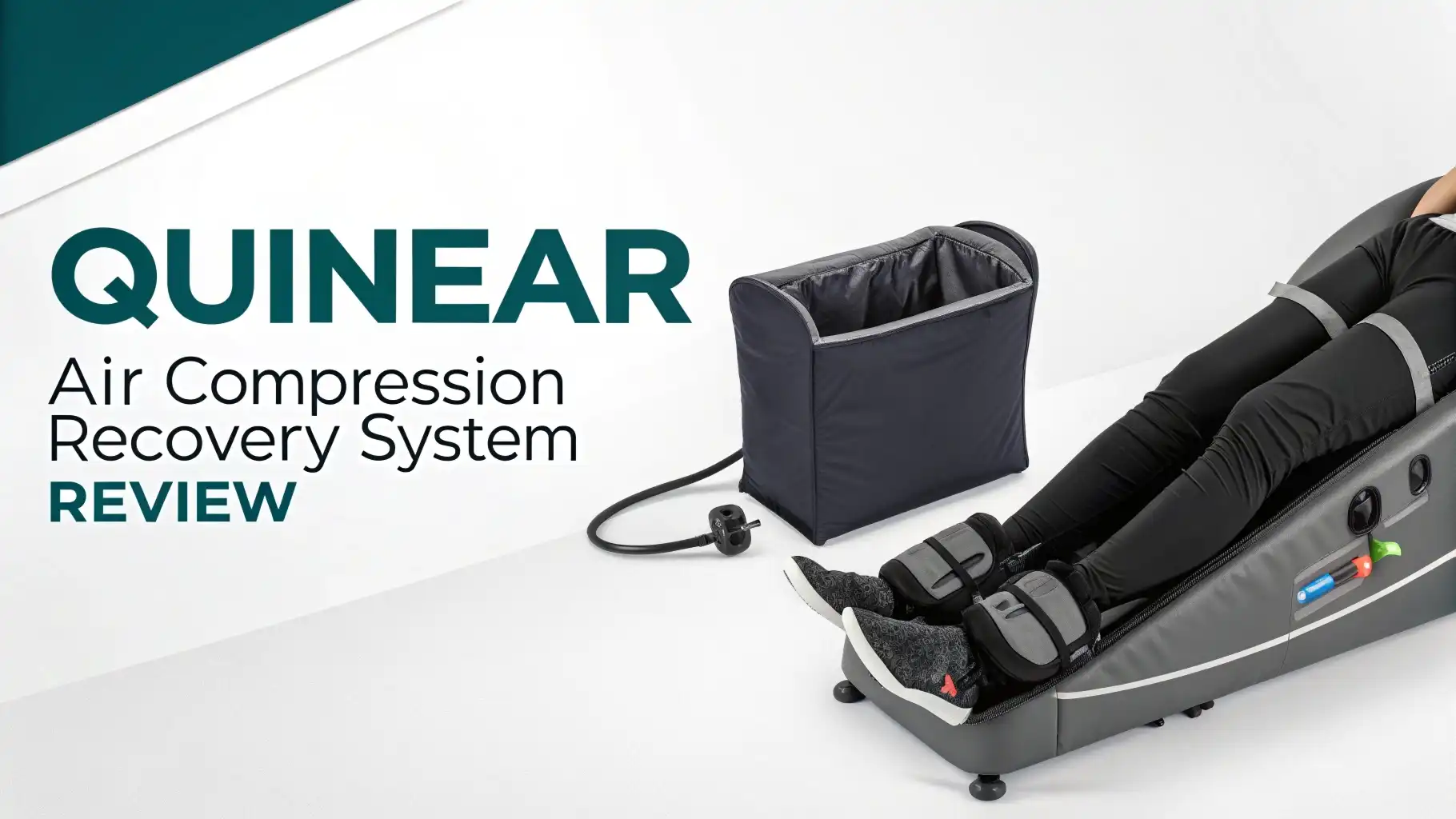
The system comes with leg sleeves that cover from your feet to your upper thighs. Each sleeve contains several chambers that fill with air in a specific pattern. This pattern pushes blood and lymphatic fluid up through your legs. The process helps remove metabolic waste products that build up during exercise.
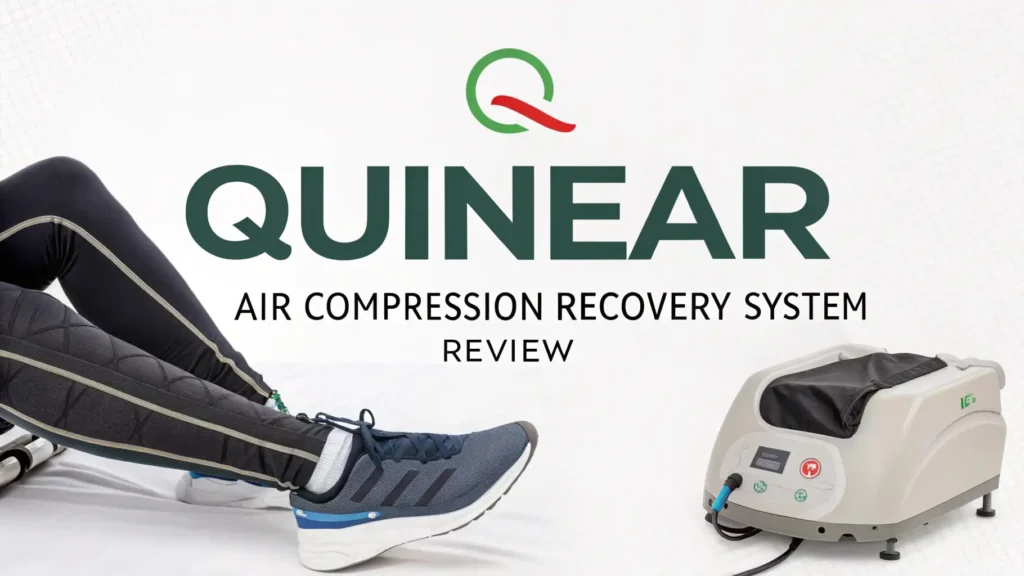
The controller unit is compact and easy to operate. You can adjust the pressure intensity from gentle to firm based on your comfort level. The device offers multiple pressure settings, typically ranging from 30 to 240 mmHg. This range accommodates different users and recovery needs.
The design focuses on user comfort. The sleeves use soft, breathable material that feels comfortable against your skin. The zippers make it easy to get the sleeves on and off. The compression feels similar to a deep tissue massage but without the discomfort that sometimes comes with manual therapy.
How Air Compression Technology Works
Air compression recovery uses pneumatic pressure to enhance circulation in your limbs. The technology is based on principles that hospitals have used for decades to prevent blood clots. Athletes and recovery specialists adapted this medical technology for sports recovery purposes.
The chambers in the sleeves fill with air in a sequential pattern. This pattern typically starts at your feet and moves upward toward your heart. Each chamber holds pressure for a few seconds before releasing and moving to the next chamber. This wave-like motion pushes fluid through your circulatory and lymphatic systems.
Your muscles produce waste products like lactic acid during exercise. These waste products can cause soreness and fatigue. The compression therapy helps flush these substances out of your muscle tissue. Fresh, oxygen-rich blood then flows back into the area, bringing nutrients that support healing.
Top 3 Alternatives for QUINEAR Air Compression Recovery System


Main Features and Specifications
The QUINEAR Air Compression Recovery System includes several key features that set it apart. The device offers four to six compression chambers per leg, depending on the model. More chambers provide more precise, targeted compression across your entire leg.
The pressure range typically spans from 30 to 240 mmHg. You can adjust this in increments to find your perfect comfort level. Lower pressures work well for gentle recovery or daily maintenance. Higher pressures suit intense recovery sessions after hard workouts.
The timer function lets you set sessions from 10 to 30 minutes. Most users find that 20 to 30 minute sessions provide optimal benefits. The automatic shutoff ensures the device stops when your session ends. You don’t need to watch the clock or worry about overuse.
The sleeves accommodate various leg sizes. The adjustable design fits most adults comfortably. The zippers and velcro straps let you secure the sleeves properly. A good fit ensures even compression distribution and maximum effectiveness.
Who Should Use This Recovery System
The QUINEAR Air Compression Recovery System benefits a wide range of people. Runners and endurance athletes find it particularly useful for leg recovery. The compression helps reduce the soreness that comes after long runs or intense training sessions.
Cyclists spend hours in the same position, which can lead to tight, sore legs. The compression therapy helps loosen tight muscles and improve flexibility. Many cyclists use the system both before and after rides for optimal performance.
Weightlifters and strength athletes also benefit from compression therapy. While lifting primarily causes muscle damage rather than endurance fatigue, compression still aids recovery. The improved circulation helps deliver nutrients to damaged muscle fibers, supporting the repair process.
People who stand or sit all day at work can use this system too. Office workers, nurses, teachers, and retail employees often deal with leg fatigue and poor circulation. A 20-minute session after work can significantly reduce leg discomfort and swelling.
Setting Up Your QUINEAR System
Setting up the QUINEAR Air Compression Recovery System takes just a few minutes. The box includes the control unit, leg sleeves, connecting hoses, and a power adapter. No assembly is required. You just need to connect the components and plug in the device.
Start by laying out both leg sleeves on a flat surface. Connect the air hoses to the ports on each sleeve. The connections are color-coded or marked to prevent mistakes. Push the hoses firmly into place until you hear or feel a click.
Connect the other ends of the hoses to the control unit. Again, the ports are clearly marked for left and right legs. Make sure both connections are secure to prevent air leaks during use. Loose connections will reduce the effectiveness of the compression.
Plug the power adapter into the control unit and then into a wall outlet. The device will power on, usually showing a default setting on the display. You’re now ready for your first session.
Using the Device for Best Results
Getting the most from your QUINEAR system requires proper usage techniques. Start with lower pressure settings for your first few sessions. This lets your body adapt to the sensation. You can gradually increase the pressure as you become more comfortable with the therapy.
Most people find the best results come from consistent use. Using the system three to five times per week works well for active individuals. You can use it more frequently if you train intensively or have specific recovery needs.
Timing your sessions strategically enhances the benefits. Using the system within one to two hours after exercise provides optimal recovery support. The compression helps remove waste products while they’re still concentrated in your muscles. This can significantly reduce next-day soreness.
Some people also use compression therapy before exercise as part of their warmup routine. A brief 10-minute session with lower pressure can improve circulation and prepare your muscles for activity. This pre-exercise use is less common but can be beneficial for certain individuals.
Benefits You Can Expect
The QUINEAR Air Compression Recovery System provides multiple benefits for regular users. Reduced muscle soreness ranks as the most commonly reported advantage. Users typically notice less pain and stiffness in the days following intense workouts.
Improved recovery time means you can train more frequently. Athletes who use compression therapy often find they can handle higher training volumes. The faster recovery allows for more quality workouts without overtraining symptoms.
Better circulation extends beyond just athletic recovery. Many users report that their legs feel lighter and less tired throughout the day. The improved blood flow can reduce swelling and the heavy feeling that comes from sitting or standing for long periods.
Enhanced flexibility often accompanies regular compression therapy use. The combination of improved circulation and reduced muscle tension helps maintain or improve range of motion. This can contribute to better performance and reduced injury risk.
Sleep quality sometimes improves with regular compression therapy. The relaxation effect and reduced muscle discomfort can help you fall asleep more easily. Better sleep then contributes to overall recovery and performance.
Comparing Price and Value
The QUINEAR Air Compression Recovery System typically costs between 200 and 400 dollars on Amazon. This price point positions it in the mid-range of home recovery devices. Professional-grade systems can cost over 1000 dollars, while basic models start around 100 dollars.
Compare this to the cost of professional compression therapy sessions. Recovery clinics and sports therapy centers often charge 30 to 60 dollars per session. If you use compression therapy twice a week, you’ll spend over 3000 dollars per year. The QUINEAR system pays for itself in just a few months.
The value proposition extends beyond simple cost savings. Having the device at home means you can use it whenever you want. No need to schedule appointments or drive to a facility. This convenience factor significantly increases the actual value of owning your own system.
Build quality affects long-term value. The QUINEAR system uses decent materials that hold up to regular use. The sleeves can typically withstand hundreds of sessions before showing wear. The control unit, being electronic, should last several years with proper care.
Common Issues and Solutions
Like any electronic device, the QUINEAR system can occasionally experience issues. The most common problem is air leakage from the sleeves or connections. You’ll notice this if the chambers don’t maintain pressure or if you hear hissing sounds. Check all hose connections first, ensuring they’re pushed in completely.
The sleeves themselves might develop small leaks over time. Inspect them carefully for any holes or tears. Small holes in the fabric portion can sometimes be repaired with fabric patch tape. Damage to the air bladders inside usually requires replacement sleeves.
The control unit might occasionally display error codes. The user manual explains what each code means. Many errors relate to connection issues or pressure sensor problems. Unplugging the device for a few minutes often resets minor electronic glitches.
Some users report that the compression feels uneven between legs or between different chambers. This usually indicates a partial blockage in one of the air hoses or a problem with a specific chamber. Try switching the hoses between legs to identify if the problem is with the sleeve or the control unit.
Maintenance and Care Tips
Proper maintenance extends the life of your QUINEAR Air Compression Recovery System. Clean the sleeves regularly to prevent odor and bacteria buildup. Most sleeves can be wiped down with a damp cloth and mild soap. Some models have removable, washable covers that make cleaning even easier.
Allow the sleeves to air dry completely before storing them. Moisture trapped inside can lead to mold or mildew growth. Hang them in a well-ventilated area or lay them flat on a clean surface.
Store the device properly when not in use. Keep the control unit in a dry location away from extreme temperatures. Wrap the hoses loosely rather than bending them sharply. Sharp bends can eventually damage the internal structure of the hoses.
Inspect the hoses and connections periodically. Look for any signs of wear, cracks, or damage. Catching problems early prevents more serious issues later. Replace damaged components promptly to maintain optimal performance.
Avoid placing heavy objects on the sleeves or control unit during storage. The air chambers in the sleeves can be compressed and damaged by excessive weight. The control unit contains electronic components that can be damaged by impacts or pressure.
Real User Experiences
Customer reviews on Amazon provide valuable insights into real-world performance. Most users report high satisfaction with the QUINEAR Air Compression Recovery System. The average rating typically falls between 4.2 and 4.6 stars out of 5.
Runners consistently praise the device for reducing leg soreness after long runs. Many report being able to run more frequently without excessive fatigue. The compression helps them maintain their training schedules more consistently.
CrossFit athletes and functional fitness enthusiasts also give positive feedback. They appreciate how the system helps recover from the varied, intense workouts that characterize these training styles. The ability to adjust pressure levels suits the different recovery needs that come with varied training.
Some users note that the benefits became more noticeable after several weeks of regular use. The cumulative effect of consistent compression therapy seems to provide better results than occasional use. This aligns with research showing that regular recovery practices deliver the best outcomes.
A few negative reviews mention issues with durability. Some sleeves developed leaks after several months of heavy use. However, these reviews represent a small minority of total users. Most people report that their systems remain functional for years.
Final Verdict on QUINEAR System
The QUINEAR Air Compression Recovery System delivers solid performance at a reasonable price. It provides genuine recovery benefits for athletes, fitness enthusiasts, and people dealing with leg fatigue. The technology works as advertised, using sequential compression to improve circulation and reduce muscle soreness.
The device earns high marks for ease of use. You don’t need technical knowledge to operate it effectively. The simple controls and clear display make it accessible to everyone. This simplicity doesn’t come at the cost of effectiveness though.
Build quality seems adequate for the price point. While not as robust as professional systems costing thousands of dollars, the QUINEAR system holds up well to regular home use. Most users report satisfactory durability over extended periods.
The value proposition is strong. For the cost of a few professional recovery sessions, you get unlimited home access to compression therapy. This makes it an excellent investment for anyone who would benefit from regular recovery sessions.
Some limitations exist. The system focuses on leg recovery, which won’t help athletes who need upper body recovery. The pressure range, while adequate, doesn’t match the highest levels available in premium systems. These limitations don’t diminish the value for most users though.
Frequently Asked Questions
How often should I use the QUINEAR Air Compression Recovery System?
You can use the system daily if you want. Most people find that three to five sessions per week provides excellent results. Athletes in heavy training might use it every day, while casual exercisers might use it just a few times per week. Listen to your body and adjust frequency based on your recovery needs and training schedule.
Can I use compression therapy if I have varicose veins?
You should consult your doctor before using compression therapy if you have varicose veins or other circulatory conditions. In some cases, compression can help with varicose veins. However, certain vein conditions might make compression therapy inappropriate. Your healthcare provider can give you personalized advice based on your specific situation.
How long does each recovery session take?
Most sessions last between 20 and 30 minutes. You can adjust the timer on the control unit to your preferred duration. Shorter 10 to 15 minute sessions work well for light recovery or pre-workout preparation. Longer 30 minute sessions provide more intensive recovery support after hard training.
Does the compression therapy hurt?
Compression therapy should not hurt when used properly. You might feel strong pressure, especially at higher settings, but it shouldn’t be painful. Start with lower pressure levels and gradually increase as you become accustomed to the sensation. If you experience pain, reduce the pressure or stop the session. The therapy should feel like a firm massage.
Can I use the system while doing other activities?
Yes, you can watch TV, read, work on your laptop, or relax while using the QUINEAR system. The compression cycle runs automatically once you start it. Many people use their recovery time to catch up on shows or reading. Just make sure you’re sitting or lying in a comfortable position with your legs elevated or supported.
How do I know what pressure setting to use?
Start with the lowest or medium-low pressure setting for your first session. Gradually increase the pressure in subsequent sessions until you find a level that feels effective but comfortable. Most people settle on medium to medium-high settings. The right pressure feels like firm but not painful pressure on your legs.
Can other family members use the same device?
Yes, multiple people can use the same QUINEAR system. The sleeves adjust to fit different leg sizes within a reasonable range. You might want to clean the sleeves between users for hygiene purposes. Each person can choose their own preferred pressure and time settings. Just make sure everyone understands how to operate the device safely.
What’s the difference between this and compression socks?
Compression socks provide constant, even pressure across your legs. The QUINEAR system provides sequential, intermittent pneumatic compression. This sequential pattern actively pushes fluid through your legs, while socks simply apply steady pressure. The active compression provides different benefits and generally produces faster, more noticeable results for recovery purposes.