Wrist Buddy Yoga Blocks Review 2026: Worth the Hype?
Do your wrists ache every time you hold a downward dog or plank? You are not alone. Wrist pain is one of the top reasons people quit yoga.
Traditional flat yoga blocks do little to fix the problem. They force your wrist into a 90 degree bend that puts massive pressure on the joint.
That is exactly where the Wrist Buddy Yoga Blocks step in. These doctor designed, hand shaped EVA foam blocks promise to correct wrist angle, reduce compression, and strengthen your grip. But do they actually deliver?
Key Takeaways:
- The Wrist Buddy blocks feature a unique hand shaped design that shifts weight from the wrist joint to the palm. This reduces wrist compression during poses like plank, downward dog, and crow. Most standard blocks lack this ergonomic feature entirely.
- A sports chiropractor created these blocks. The design is based on 30 years of clinical experience. This gives the product a medical credibility that many yoga accessories cannot match.
- They come as a left and right pair, marked with L and R. This ensures natural hand placement and better control during transitions. Flat blocks do not offer this left right distinction.
- The EVA foam material is lightweight yet firm. Each block weighs about 0.38 kilograms. The precision cut texture adds grip and friction, which helps during sweaty sessions or fast flows.
- The price sits higher than standard yoga blocks. You can expect to pay around $39.99 for a two pack. This is a premium product. Budget shoppers may want to consider alternatives, but the ergonomic value may justify the extra cost.
- Users report noticeable wrist relief from the first session. Multiple reviews highlight that people with chronic wrist pain, carpal tunnel, and arthritis found immediate comfort. Some users also noted improved confidence during balance poses.

What Are Wrist Buddy Yoga Blocks?
Wrist Buddy Yoga Blocks are ergonomic, hand shaped yoga blocks made from EVA foam. A sports chiropractor with over 30 years of experience created them. The goal was simple: fix the wrist pain that traditional flat blocks ignore.
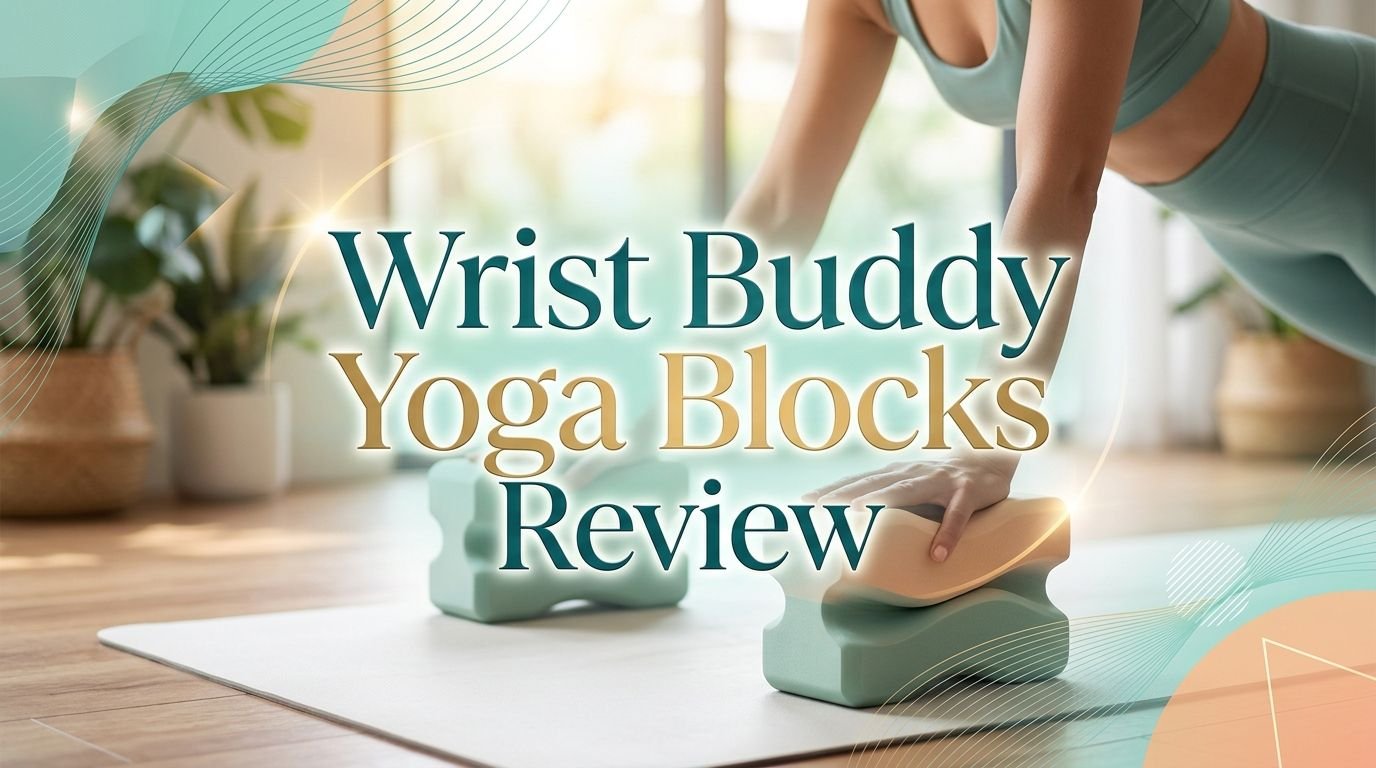
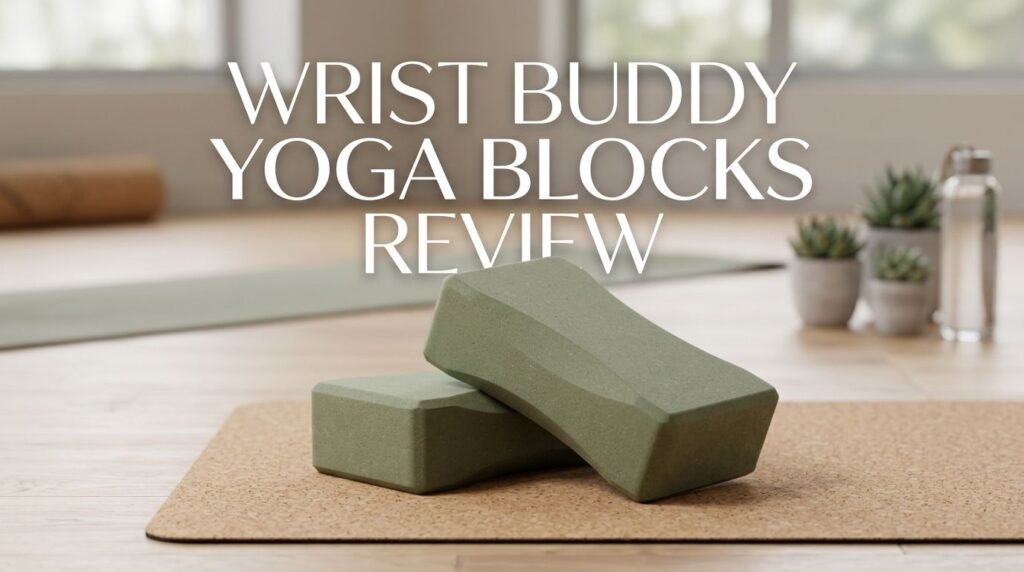
Each block has a contoured surface shaped like a human hand. This design corrects the angle of your wrist during weight bearing poses. It shifts the load from the delicate wrist joint onto the stronger palm area.
The blocks come as a matched pair with left and right markings. You place your thumbs together in the center and let your fingers settle into the shaped cutouts. This promotes a natural, relaxed hand position.
Standard yoga blocks are flat and wide. They force your wrist into a sharp 90 degree extension. Over time, this creates strain, inflammation, and pain. The Wrist Buddy design reduces that extension angle and spreads pressure more evenly.
These blocks work for yoga, Pilates, push ups, handstands, and physical therapy exercises. They suit beginners dealing with wrist sensitivity and advanced practitioners who want safer alignment in arm balances.
The product is sold through Amazon and the official Wrist Buddy website. It comes in multiple colors including gray, black, and lavender. Each block measures 9 x 6 x 4 inches, which is a standard yoga block size.
Who Should Use Wrist Buddy Yoga Blocks?
These blocks serve a wide audience, but certain groups benefit the most. Anyone who experiences wrist pain during yoga will find immediate value. This includes people with carpal tunnel syndrome, arthritis, tendonitis, or general wrist weakness.
Yoga beginners often feel wrist strain because their muscles and joints are not conditioned for weight bearing. Wrist Buddy blocks give them a safer entry point into poses like plank and tabletop. The contoured grip also adds stability for people still building balance.
Experienced yogis benefit too. If you practice vinyasa or power yoga, your wrists absorb repeated stress during sun salutations and chaturangas. These blocks help distribute that force away from the joint. Advanced arm balances like crow and side crow become more comfortable with the corrected wrist angle.
Fitness enthusiasts outside of yoga can also use them. Push ups, burpees, and floor presses put the wrist in a similar stressed position. The Wrist Buddy shape gives your hands a better platform for any floor based exercise.
Physical therapists and occupational therapists may find these blocks useful as rehabilitation tools. The design promotes a neutral wrist position that supports recovery from wrist injuries. Yoga instructors who teach students with wrist issues will appreciate having these in their studio toolkit.
The Doctor Designed Ergonomic Shape Explained
The standout feature of Wrist Buddy blocks is the hand shaped contour on the top surface. This is not a cosmetic choice. It serves a clear biomechanical purpose.
Traditional flat blocks place the wrist in full extension, roughly 90 degrees. This angle compresses the carpal tunnel and strains the ligaments on the back of the wrist. Repeated exposure causes pain, numbness, or injury over time.
The Wrist Buddy shape raises the palm while keeping the fingers lower. This reduces the wrist extension angle. A smaller angle means less compression on the joint and less strain on the surrounding tissues.
The finger grooves also play an important role. They increase the surface area of contact between your hand and the block. More contact means better weight distribution. Your hand grips the block naturally rather than pressing flat against a hard surface.
The arch in the center of the block supports the natural curve of your palm. This arch reduces pressure on the metacarpal joints and the base of the thumb. People with thumb joint issues like CMC arthritis often find this helpful.
A sports chiropractor designed this shape based on clinical experience treating wrist and hand injuries. The design targets the exact pressure points that cause discomfort during weight bearing. It is a medical approach to a common yoga problem.
Top 3 Alternatives for Wrist Buddy Yoga Blocks
If you want to explore other options before committing to the Wrist Buddy blocks, these three alternatives offer solid wrist support at different price points.

StrongTek Yoga Foam Wedge Blocks are a popular budget alternative. These wedge shaped blocks reduce the wrist extension angle by elevating the heel of your hand. They work well for push ups, planks, and basic yoga poses. The foam is soft and supportive. However, they lack the hand shaped contour and finger grooves that the Wrist Buddy offers.

Manduka Recycled Foam unBLOK Yoga Block features a curved, ergonomic design with radius edges. It offers a comfortable grip and firm support. The block is made from over 50 percent recycled EVA foam. It works great as a general purpose yoga block with some wrist friendly shaping. It does not match the Wrist Buddy for targeted wrist relief, but it is a versatile and eco conscious option.

Gaiam Yoga Block Wedge is a lightweight EVA foam wedge that supports the wrist and lower back. It creates a gentle slope under your hand to reduce wrist strain. The wedge measures 20 x 6 x 2 inches, making it wider than most blocks. It is an affordable choice for yogis who want basic angle correction without the premium price tag.
Build Quality and Material
The Wrist Buddy blocks are made from Ethylene Vinyl Acetate (EVA) foam. EVA is a common material for yoga props because it is lightweight, durable, and easy to clean. These blocks feel firm to the touch but not hard.
Each block weighs about 0.38 kilograms. This makes them easy to carry to a studio or pack in a travel bag. Despite the low weight, the foam holds its shape under body weight. It does not compress or flatten during use.
The precision cut texture on the surface adds grip. Your hands stay locked in place during sweaty sessions. The finger grooves have a slightly rougher texture that increases friction. This helps you maintain control during transitions and balance poses.
The edges are smooth with no rough spots or loose foam. The L and R markings are printed clearly and do not wear off with regular use. The foam is also odor free out of the box, which is a nice touch compared to some cheaper blocks that smell strongly of chemicals.
Overall, the build quality matches the premium price point. The blocks feel well made and hold up to daily practice. Several long term users report that their blocks look and perform the same after months of regular use.
Comfort and Hand Fit
Comfort is where these blocks truly stand apart. The hand shaped surface feels natural the moment you place your palms down. Your fingers settle into the grooves without effort, and the central arch supports your palm.
The product description notes that your fingers do not have to fill the cutouts perfectly. This is important because hand sizes vary. People with smaller hands still find the blocks comfortable. The grooves act as general guides rather than strict molds.
The reduced wrist angle makes a noticeable difference right away. Many users describe the feeling as an instant release of pressure. If you have ever felt a sharp pinch at the base of your wrist in plank pose, you will understand the relief these blocks provide.
The foam density hits a good balance. It is firm enough to support your body weight without sinking. But it is soft enough that it does not dig into your palms during long holds. Restorative poses feel especially comfortable.
People with larger hands report a slightly tighter fit in the finger grooves. This does not affect function much, but it may feel snug. The brand recommends adjusting your palm position to find the best fit for your hand size.
Performance During Yoga Poses
The real test of any yoga prop is how it performs during practice. Wrist Buddy blocks shine brightest during weight bearing poses like plank, downward facing dog, and chaturanga.
In plank pose, the corrected wrist angle reduces the burning sensation that builds in the wrists over time. Your weight sits on the palm and finger pads rather than the wrist crease. This lets you hold the pose longer with less discomfort.
Downward dog feels more stable. The finger grooves lock your hands in place, which prevents sliding on the mat. The block height also adds a slight elevation that can help people with tight hamstrings or shoulders.
Arm balances like crow pose become more accessible. The grip texture gives you confidence to shift weight forward without slipping. The contoured surface also provides more feedback to your hands, so you can feel your balance point better.
Tabletop position and cat cow stretches benefit from the neutral wrist alignment. If you teach or attend classes with repeated tabletop transitions, the reduced wrist strain adds up over time.
Push ups and floor presses outside of yoga also work well with these blocks. The stable base and wrist correction apply to any floor based exercise.
Price and Value for Money
At around $39.99 for a two pack, Wrist Buddy Yoga Blocks cost more than standard yoga blocks. A basic pair of EVA foam blocks typically runs between $10 and $20. So you are paying a premium here.
The question is whether the extra cost brings extra value. For people with chronic wrist pain, the answer is almost always yes. A $40 investment that lets you practice pain free is far cheaper than physical therapy or giving up yoga altogether.
The blocks are also a small business product. They are not mass produced by a large corporation. The doctor designed approach and unique mold add to the manufacturing cost. You are paying for specialized ergonomic engineering, not just foam.
Compared to other ergonomic yoga accessories, the price is reasonable. Wrist support wedges from popular brands often cost $15 to $25 each, and you usually need two. A pair of high quality wedges can match or exceed the Wrist Buddy price.
There is also a durability factor. These blocks hold up well over time. You are not likely to replace them within a year of regular use. That long lifespan adds to the overall value.
If budget is a concern, you may want to start with a less expensive wedge option and upgrade later. But if wrist pain is your main barrier to practice, the Wrist Buddy blocks offer strong return on investment.
What Real Users Say About Wrist Buddy Yoga Blocks
User reviews paint a largely positive picture. On Amazon, the blocks carry strong ratings with many buyers praising the immediate wrist relief. Several reviewers mention that they tried everything from wrist wraps to wedges before finding these blocks.
One common theme in reviews is that the hand shaped design feels intuitive. Users say they did not need a long adjustment period. The blocks felt right from the first use. The L and R markings also helped people place them correctly without guessing.
People with arthritis and carpal tunnel syndrome leave especially enthusiastic reviews. Many describe being able to return to poses they had abandoned due to pain. This emotional aspect shows up frequently in testimonials.
Some users note the higher price as a drawback. A few reviewers wished the blocks were available individually rather than only as a pair. Others mentioned that the finger grooves felt slightly narrow for very large hands.
A small number of reviews mention a learning curve with positioning. The blocks work best when you center your palm on the arch. If your hands drift too far forward or back, the benefit decreases. The brand offers a how to video on Amazon and their website to help with placement.
Yoga instructors who reviewed the product often recommend them to students with wrist issues. Several studio owners mentioned buying multiple pairs for class use.
How to Position and Use Wrist Buddy Yoga Blocks
Proper placement matters for getting the full benefit of these blocks. Start by placing both blocks on your mat with the finger grooves pointing forward. The blocks are marked L and R, so match them to your hands.
Place your hands on the blocks with your thumbs facing each other in the center. Your palm should rest on the raised arch in the middle of the block. Let your fingers drape naturally into the grooves.
You do not need to force your fingers into every cutout. The grooves serve as gentle guides. Adjust your palm position forward or backward until the arch sits comfortably under your hand.
For downward dog, place the blocks at the front of your mat where your hands would normally go. Press down through your palms and fingertips. The elevated position may feel different at first, but it quickly becomes natural.
For plank and push up positions, the blocks sit in the same spot. Make sure they do not slide on your mat. If your mat is slippery, place a towel underneath or use a stickier mat surface.
The brand’s how to video on Amazon walks through several poses with visual guidance. Watching it before your first session can save time and help you get the most from the blocks right away.
Wrist Buddy Blocks vs Traditional Yoga Blocks
The biggest difference is the surface shape. Traditional blocks have flat, rectangular surfaces on all sides. Wrist Buddy blocks have a contoured, hand shaped top surface. This single change affects wrist angle, grip, and pressure distribution.
Traditional blocks work well for sitting support, hip openers, and as height extensions in standing poses. They are versatile tools for many yoga applications. However, they do not address wrist ergonomics at all.
Wrist Buddy blocks focus specifically on hand and wrist support. They correct the wrist extension angle and improve grip. But they are less versatile as general purpose props. You would not use them under your hips in bridge pose, for example.
Price is another key difference. Standard blocks cost a fraction of the Wrist Buddy price. If wrist pain is not a concern for you, a regular pair of EVA or cork blocks will serve you fine.
The weight and size are similar. Both types measure roughly 9 x 6 x 4 inches and weigh under a pound each. You can carry Wrist Buddy blocks in your yoga bag just as easily as standard blocks.
For most practitioners, the ideal setup includes both types. Use Wrist Buddy blocks for weight bearing poses and traditional blocks for seated support and height. This gives you the best of both options.
Colors and Style Options Available
Wrist Buddy Yoga Blocks come in three main color options: gray, black, and lavender. Each color uses the same EVA foam material and ergonomic design. The only difference is the appearance.
The gray version (ASIN: B099GS2B5Q) is the most popular option on Amazon. It has a neutral tone that fits well in any studio or home practice space. The black version (ASIN: B099GCWYLH) offers a sleek, minimal look that many people prefer.
The lavender option adds a softer aesthetic that appeals to yogis who like color in their props. All three colors maintain the same grip texture and durability.
The color does not affect performance in any way. Choose based on personal preference or how you want your blocks to look alongside your mat and other accessories.
All color options come as a two pack with left and right blocks. You cannot buy a single block or mix colors within one order. Each pair is packaged together with the L and R markings clearly visible.
Pros and Cons of Wrist Buddy Yoga Blocks
Every product has strengths and weaknesses. Here is an honest look at both sides of the Wrist Buddy blocks.
The biggest pro is the wrist relief. The hand shaped design delivers on its main promise. It reduces wrist compression and creates a safer angle for weight bearing. This is the primary reason to buy these blocks, and it works.
The doctor designed credibility is a strong plus. Knowing that a sports chiropractor created the shape based on clinical experience gives buyers confidence. This is not a random novelty product.
The grip texture performs well. Sweaty hands do not slip easily on the contoured surface. The finger grooves add extra security. Balance poses feel more controlled with these blocks.
On the con side, the price is the most common complaint. At nearly $40, these blocks cost two to three times more than standard options. Budget conscious buyers may hesitate.
The blocks have a specialized use case. They excel for wrist support but cannot replace standard blocks for all yoga applications. You still need flat blocks for seated poses and hip support.
Hand size compatibility is a minor concern. People with very large or very small hands may find the finger grooves slightly off. The brand acknowledges this and recommends adjusting palm position.
Who Should Skip Wrist Buddy Yoga Blocks?
These blocks are not the right choice for everyone. If you never experience wrist pain during yoga, you probably do not need them. Standard blocks or cork blocks will serve your practice just fine at a lower cost.
People who primarily practice seated or restorative yoga may not get enough use from these blocks. The wrist support feature applies mainly to weight bearing poses. If your practice rarely includes plank, downward dog, or arm balances, the benefit is limited.
Yogis on a strict budget should consider simpler alternatives first. A basic foam wedge or even a rolled up towel under the heel of your hand can reduce wrist strain. These DIY solutions lack the precision of the Wrist Buddy design but cost much less.
If you prefer cork or wooden yoga blocks for their firmness, note that Wrist Buddy blocks are EVA foam only. The foam is firm, but it has a different feel than cork or wood. This is a personal preference issue.
People looking for a single all purpose yoga block should shop elsewhere. The Wrist Buddy serves one function very well. It does not try to be a full replacement for every type of yoga prop.
Final Verdict: Should You Buy Wrist Buddy Yoga Blocks in 2026?
If wrist pain holds you back from yoga, these blocks are one of the best investments you can make. The ergonomic hand shaped design delivers real, immediate relief. The doctor designed approach sets it apart from generic yoga accessories.
The build quality is solid. The EVA foam is durable, lightweight, and grippy. The left and right pair system ensures natural hand placement. And the blocks work well across multiple types of exercise, from yoga to push ups to physical therapy.
The price is the only real barrier. At $39.99, these blocks demand a commitment. But for anyone dealing with chronic wrist issues, the cost is easy to justify. Pain free practice is priceless.
For casual yogis without wrist problems, standard blocks remain the smarter buy. But if your wrists have ever made you dread a sun salutation, give the Wrist Buddy blocks a serious look. They solve a specific problem better than any other yoga block on the market.
Overall rating: 4.5 out of 5. The half point deduction is for the premium price and the limited versatility outside of wrist support applications. Everything else earns top marks.
Frequently Asked Questions
Do Wrist Buddy Yoga Blocks actually reduce wrist pain?
Yes. The hand shaped design shifts pressure from the wrist joint to the palm. This reduces compression and strain. Many users report immediate relief from the first session. People with carpal tunnel, arthritis, and general wrist sensitivity have found these blocks helpful for continuing their yoga practice.
What size are Wrist Buddy Yoga Blocks?
Each block measures 9 inches long, 6 inches tall, and 4 inches wide. This is a standard yoga block size. The blocks weigh about 0.38 kilograms each. They fit easily in a yoga bag and take up no more space than regular blocks.
Can I use Wrist Buddy blocks for push ups?
Absolutely. The wrist angle correction applies to any floor based exercise that puts weight on your hands. Push ups, burpees, planks, and floor presses all benefit from the reduced wrist extension. The grip texture also adds stability during dynamic movements.
Are Wrist Buddy blocks worth the higher price?
For people with wrist pain, yes. The ergonomic design solves a problem that cheaper blocks do not address. The long term durability also adds value. If you do not have wrist issues, standard blocks at a lower price point will work fine for your practice.
What material are Wrist Buddy Yoga Blocks made from?
The blocks are made from Ethylene Vinyl Acetate (EVA) foam. This material is lightweight, durable, and easy to wipe clean. EVA foam is the same material used in many premium yoga blocks and athletic footwear.
Can people with large hands use these blocks?
Yes, but the fit may feel slightly snug in the finger grooves. The brand notes that your fingers do not have to fill every cutout perfectly. Adjusting your palm position on the arch can improve the fit. Most users with larger hands still find the blocks comfortable and effective.
Where can I buy Wrist Buddy Yoga Blocks?
You can purchase them on Amazon and through the official Wrist Buddy website at wristbuddyyogablocks.com. Amazon offers Prime shipping and easy returns. The website sometimes has exclusive color options or bundle deals.