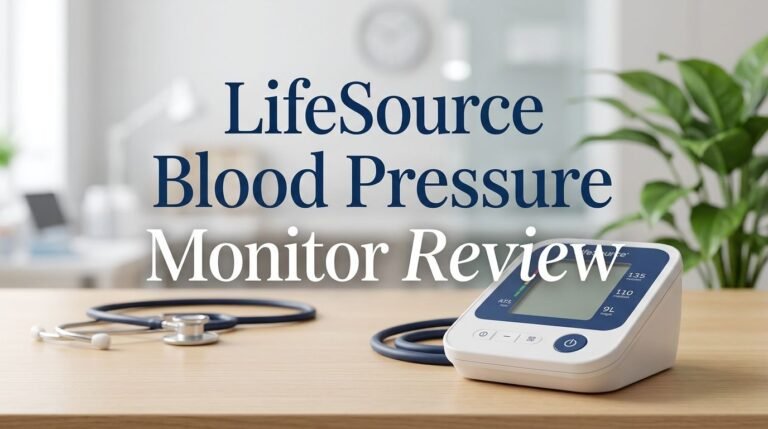
Vive Precision Blood Pressure Monitor Review 2026
Keeping an eye on your blood pressure is one of the smartest steps you can take for your heart. Many people skip home checks because the tools feel confusing.
The Vive Precision Blood Pressure Monitor aims to make that process simple. It is an automatic upper arm monitor built for home use.
Its wide range cuff fits arms from 8.75 to 16.5 inches.
Users often praise the precise readings and the easy interface. The bright LCD stays readable even in low light.
This guide takes a closer look at what this monitor does well, where it falls short, and who it suits best. Stick around to see if it fits your daily routine.
In a Nutshell
-
Fully automatic: The monitor inflates and measures on its own, so you never have to pump by hand. Simply wrap the cuff, press start, and wait for your numbers.
-
Heartbeat alerts: Beyond pressure, it also flags irregular heartbeats. This extra check can help you spot patterns worth sharing with your doctor.
-
Quick setup: Illustrated instructions guide you through the first use step by step. Four AAA batteries power the device, so you can start right away without extra gear.
-
Individual testing: Every unit gets tested on its own before it reaches you. That personal check adds confidence, especially for people buying their first home monitor.
-
Storage gap: A reviewer noted that no protective case comes in the box. Plan a safe spot or a separate pouch so the screen and cuff stay protected.
-
Strong competitors: The Omron M7 Intelli IT ranks among the best models for 2024. The Omron Platinum Upper Arm also holds AHA clinical validation, so it is a tough rival.
Measurement Accuracy

- ACCURATE BLOOD PRESSURE & HEART RATE READINGS: Monitor your blood pressure and heart rate at home...
- SIMPLE ONTE-TOUCH OPERATION FOR EASY USE: Enjoy fast, hassle-free readings with one-button...
Last update on 2026-10-26 / Affiliate links / Images from Amazon Product Advertising API Some of the links on this website are affiliate links, which means that at no additional cost to you, I earn a commission if you click through and make a purchase. I only recommend products and services that I believe will add value to my readers. Thank you for your support!
Accuracy matters most with any blood pressure monitor. A small error can change how you read your numbers.
Accuracy depends on more than the device itself. Your posture, cuff placement, and arm position all shape the result.
Sit quietly for five minutes before you measure. Rest your back against a chair and keep your feet flat on the floor.
Place the cuff on bare skin about one inch above the elbow. Keep your arm resting at heart level on a table.
Cuff fit plays a big role. A cuff that is too loose or too tight can skew results.
Vive did not include fit testing in the research, so measure your arm and check the size chart before you start.
Clinical validation is another useful check. Some competitors, like the Omron Platinum Upper Arm, carry American Heart Association validation.
The research does not show equivalent clinical proof for the Vive monitor. Readers who want that certainty should check the brand’s documentation.
Consistency matters as much as a single reading. Take two or three readings one minute apart and average them.
Measure at the same time each day for the clearest trends. Patterns over a week tell you more than one good or bad number.
Compare your home readings with your doctor’s office numbers. Bring the monitor to one visit so you can check the match.
Keep a simple log with the date, time, and both numbers. Note how you felt and whether you had coffee or exercise before the test.
Check the batteries too. Weak batteries can cause the screen to dim and may affect how the device works.
Accurate habits give you more useful data. Small steps like these help the monitor do its best work.
Home readings guide your care, but they do not replace a diagnosis. Share your log with your healthcare provider for the best advice.
Cuff Fit and Sizing
Measuring your arm is the first step. Wrap a soft tape measure around the middle of your bare upper arm. Keep the tape snug but not tight.
Find the midpoint between your shoulder and elbow. This spot gives you the most reliable number. Write it down in centimeters or inches.
Next, compare that number with the size chart. Each cuff size covers a specific band of arm sizes. Choose the size that matches your measurement.
If your number falls near the edge of a band, check the cuff markings. Some cuffs show lines or arrows that must sit inside a set zone. Follow those marks carefully.
A cuff that is too small causes trouble. It squeezes the arm and often gives readings that run higher than your true pressure.
A cuff that is too large works the opposite way. Loose fabric lets air escape, which can lead to lower readings or repeated tests.
Clothing changes the fit more than most people expect. Thick sleeves bunch up under the cuff. Roll up sleeves or remove tight layers before you start.
Your arm size can shift over time. Weight changes, muscle gain, or swelling may alter your measurement. Recheck the size every few months.
A second person can help. If you struggle to measure alone, ask a friend or nurse to position the tape. They can often place it more accurately.
Keep a note of your arm measurement next to your blood pressure log. Clear records help you spot patterns and share accurate details with your doctor.
Good fit supports good data. When the cuff matches your arm, each reading becomes more useful. You can then focus on tracking trends rather than doubting every number.
Take your time with this step. A few minutes spent on sizing can save you confusion later. Your heart health deserves that careful attention.
Display and Heart Rhythm Alerts
The display does a lot of the work here. A bright LCD shows your readings with clear digits. Many reviewers say it stays easy to read even in dim rooms.
This matters more than it sounds. Early morning checks often happen before your eyes fully adjust. A screen you can read in low light removes a lot of guesswork.
Heart rhythm alerts add another layer. Along with pressure numbers, the monitor flags possible irregular heartbeats. This gives you a clearer picture of how your heart behaves between doctor visits.
A flag is a signal, not a diagnosis. An alert does not confirm a heart problem. It simply tells you that something in the reading deserves a closer look.
Think of it as a prompt to act. If alerts show up again and again, share the log with your doctor. Your physician can judge what the pattern means for you.
Keep a simple record. Write down the date, time, pressure values, and any heartbeat flag. Patterns over several days often tell you more than a single reading.
Some people feel anxious when a warning appears. Stay calm and take a second reading later in the day. Use the same arm each time so results compare fairly.
Alerts also help you prepare for appointments. Bring your notes and the device readings to your visit. Write questions ahead of time too. This saves time and helps your doctor see trends clearly.
Think about who uses the device too. Older adults, people with heart conditions, and anyone on blood pressure medicine may benefit from a clear heartbeat flag. Still, every user should follow medical advice.
Finally, remember that the monitor cannot replace medical care. The research does not show clinical proof for the Vive monitor overall. So treat any alert as a reason to talk with a professional.
Top 3 Alternatives
Omron Platinum
The Omron Platinum is a strong choice for home blood pressure checks. It uses an upper arm cuff that wraps snugly and gives clear readings. Many people like its simple buttons and quick setup.
It stores multiple user readings. This helps families track their numbers over time. The companion app also makes logging results easy. You can review past readings whenever you need them.
Omron Gold

- SAFEGUARD YOUR HEART: Screen for unusual heart rhythms every time you check your blood pressure with...
- START YOUR DAY WITH CONFIDENCE: Check for morning blood pressure spikes linked to higher...

Last update on 2026-09-12 / Affiliate links / Images from Amazon Product Advertising API Some of the links on this website are affiliate links, which means that at no additional cost to you, I earn a commission if you click through and make a purchase. I only recommend products and services that I believe will add value to my readers. Thank you for your support!
The Omron Gold is another helpful option for people who want dependable home checks. It also uses an upper arm cuff, so readings stay close to clinic results. The large display is easy to read, even for older adults.
It stores many past readings. Each reading includes the date and time. Bring this record to your next doctor visit. It makes the conversation much simpler.
Withings BPM Connect

- FSA/HSA eligible
- QUICK & EAST TO READ RESULTS with color-coded feedback on display case - this blood pressure cuff...
Last update on 2026-09-13 / Affiliate links / Images from Amazon Product Advertising API Some of the links on this website are affiliate links, which means that at no additional cost to you, I earn a commission if you click through and make a purchase. I only recommend products and services that I believe will add value to my readers. Thank you for your support!
The Withings BPM Connect takes a modern approach to home monitoring. It connects through a wireless internet network and syncs readings to a smartphone app automatically. You do not need to type anything by hand.
The app shows trends in clear charts. You can share results with your doctor in seconds. This feature suits people who enjoy using tech tools to stay on top of their health.
Setup and Daily Use
Setting up the Vive monitor takes only a few minutes. Open the box and check that every part is inside. Look for the cuff, the main unit, and the instruction booklet.
Next, insert the four AAA batteries. Match the plus and minus signs inside the battery door. Close the cover firmly so the power stays steady.
Give the monitor a quick look before each session. Confirm the screen lights up and the cuff sits flat. A quick check prevents wasted readings.
Pick a regular time for checks. Many people measure in the morning before breakfast and again in the evening. A steady schedule makes trends easier to spot.
Use the same arm every time. Doctors often ask for readings from one arm, so ask your care team which arm they prefer. Consistency matters more than perfect timing.
Wait at least thirty minutes after coffee, exercise, or smoking. These habits can raise pressure for a short time. Plan your check around them.
Take two readings about one minute apart. If the numbers differ a lot, repeat the test once more. Many users find this habit gives a clearer picture.
Clean the unit with a soft, dry cloth. Wipe the cuff gently after each use. Never soak the cuff in water or use harsh cleaners.
Store the monitor somewhere cool and dry. The monitor has no protective case, so a soft pouch or drawer works well. This keeps dust and knocks away from the screen.
Swap the batteries when the display looks dim. Remove them if you will not use the device for a long time. This step helps prevent leaks.
Pack the monitor for trips with the cuff folded neatly. Check the batteries before you leave. Keep a spare set of AAA batteries in the bag.
Daily use becomes easy after a few tries. Small habits build a reliable routine. Your monitor works best when you treat each check the same way.
Power and Portability
The Vive monitor runs on batteries, so you do not need a wall outlet. You can place it in any room with ease.
Four AAA batteries power the unit. These cells are easy to find in most homes, shops, and drugstores.
Without a cord, you avoid tripping hazards and tangled wires. Readings can happen beside a bed, a favorite chair, or a kitchen table.
Keep a spare set of AAA batteries in a drawer or bag. A flat battery during a planned check can cause missed readings.
Battery life depends on how often you measure. Frequent testing uses more power, so plan your supply around your routine. A sticky note on the case can remind you when you last changed them.
Batteries also need care during long breaks. Remove them if you plan to store the monitor for several weeks. This step helps prevent leaks that can damage the contacts.
Travel becomes simpler with a device like this. You skip chargers, adapters, and extra cables.
One reviewer noted that the box does not include a protective case. Use a soft pouch or padded bag instead.
A padded bag guards the screen from bumps during busy days out. A case with a strap keeps the unit secure and easy to carry.
Consider the surface where you take readings at home. A stable, flat table keeps the unit steady while you work through each check. Store the monitor where kids and pets cannot reach it.
Portability makes consistent checks more likely. When the monitor fits in a bag, you can measure at home, at work, or during a visit. Regular checks give you a fuller picture over time.
Pros and Cons
Pros
– Reviewers report precise readings.
– The interface feels simple for daily checks.
– Illustrated instructions guide first-time setup.
– Each unit is individually tested before it ships.
– The wide cuff fits arms from 22 to 42 cm.
Cons
– Cuff fit may vary for some arm shapes.
– Vive has not tested the typical arm cuff drawbacks.
– Rivals like the Omron M7 Intelli IT earn top ratings for 2024.
Who Should Buy It
This monitor suits people who want to track their blood pressure at home. It fits adults who check their numbers on a regular schedule. It also suits anyone who prefers a simple routine over complicated apps.
Caregivers often find this device very helpful. A son or daughter can take readings for an aging parent. The clear display lets a helper read the numbers quickly.
Beginners get a gentle start. If you have never owned a monitor, this model makes a calm first step. The guide shows each stage with clear pictures. You do not need technical skills to take your first reading.
Families can share one unit. Several people in one household can use the same monitor. Keep a notebook beside the device. Write down the date, the time, and both numbers so everyone can follow their progress.
Some shoppers should look elsewhere. Not every buyer will feel at ease with this model. People who need strict clinical data may prefer a more proven option. The Omron Platinum Upper Arm carries American Heart Association clinical validation, so it may suit those who want that extra assurance.
Measure before you decide. Check the size of your upper arm before you buy. This simple step helps you judge whether the wide cuff will sit comfortably on your arm. Doing this early saves frustration later.
Final Verdict
Our final verdict leans positive for most home users. The Vive Precision Blood Pressure Monitor offers accurate readings in a simple package. It fits people who want steady daily tracking without fuss.
The bright screen stays easy to read in dim rooms. Early morning checks feel less rushed when the numbers show clearly. This small detail matters more than many buyers expect.
The irregular heartbeat detection adds another layer of insight. It can flag patterns that deserve a doctor’s review. This feature gives extra peace of mind for daily users.
User feedback leans positive overall. Reviewers praise the accuracy and ease of use. Few complaints appear, and none target Vive directly.
Still, broader testing would help. Research on this model remains limited. Long term performance data is hard to find, so keep your doctor informed.
Watch for one common issue. Upper arm cuffs may not fit every arm shape. Vive has not tested this drawback, so measure your arm before you buy.
Consistency matters more than the brand name. Take readings at the same time each day. This habit gives you clearer trends to share with your doctor.
Many users find the upper arm design comfortable during a quick seated check. Relax for a few minutes before each reading for the most reliable results.
Shoppers who want stronger clinical proof have other options. The Omron M7 Intelli IT earned top ratings for 2024. The Omron Platinum Upper Arm carries AHA clinical validation.
Our bottom line: the Vive Precision Blood Pressure Monitor earns a solid recommendation for everyday home checks. Pick it when you want clear readings and little fuss. Compare it with the Omron options first, then choose the model that fits your health goals and routine.
Frequently Asked Questions
How often should I check my blood pressure?
Many people check at the same time each day. Consistency matters more than the number of checks. Keep a simple log so you can spot patterns over several weeks.
What should I do before taking a reading?
Sit quietly for a few minutes first. Rest your back against a chair and keep both feet flat on the floor. Avoid coffee, smoking, or exercise for about 30 minutes before you measure.
Can I use this monitor on my wrist?
No, this model is made for the upper arm. Wrist readings can vary, so stick with the upper arm cuff. Place the cuff on bare skin or thin clothing for the most accurate result.
Should I share my readings with my doctor?
Yes, bring your log to your next visit. Your doctor can read the numbers in context. The monitor supports your care, but it does not replace a medical check.
Where should I sit while I measure?
Choose a firm chair with a table nearby. Rest your arm on the table so the cuff sits at heart level. Stay still and wait until the screen finishes before you move or speak.

Hi, I’m Elowen Porter, the creator of GreenLight.blog.
I share honest reviews and insights on supplements and Amazon health products to help you make smarter wellness choices.
With a passion for natural living and evidence-based products, I dig deep to find what truly works.
My goal is to simplify your supplement search with real results and trusted recommendations.
Let’s make healthy living a little easier—one product at a time.