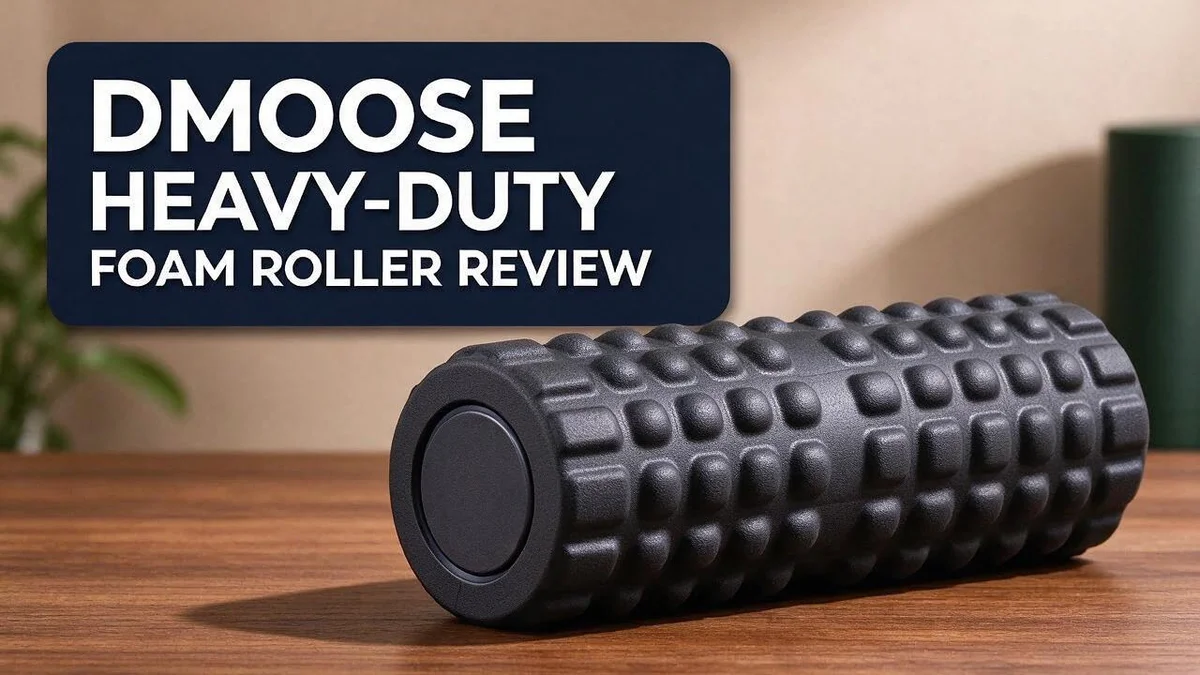
DMoose Heavy-Duty Foam Roller Review 2026: Who It’s For
Sore muscles can slow you down. A foam roller offers a simple way to ease tight spots and keep moving.
Foam rolling is one of the easiest ways to care for your body. It may improve flexibility, reduce soreness, and boost blood flow. Many people use it before workouts or after a long day on their feet.
Looking for a roller that can handle regular use? The DMoose Heavy Duty Foam Roller is a name worth knowing. The brand backs its product with a one year warranty and markets it as durable.
This review covers the key facts, the main pros, and the gaps in current research. Let’s take a closer look.
In a Nutshell
- Warranty support: DMoose backs this roller with a one year warranty. That gives you some peace of mind if the roller wears out early.
- Durability claim: The brand markets this roller as built to last through frequent use. This is a brand level claim, so independent testing would be needed to confirm it.
- Research backed method: Foam rolling in general has research behind it. Studies suggest it can improve joint movement range for a short time after a session.
- Sister product signal: DMoose ab rollers, which are a different product, are rated sturdy and comfortable. This hints at the brand’s build quality, but it does not prove it for this model.
- Missing details: Current research lacks specs, verified user reviews, and direct comparisons. Check the product page for full details before you decide.
- Other options: The TriggerPoint GRID earned a Best Overall label on a 2025 list. Tennis balls, massage guns, and lacrosse balls also work for self massage.
Build and Materials

- High-density foam roller in Black
- Ideal for balance, strengthening, and flexibility exercises

Last update on 2026-11-03 / Affiliate links / Images from Amazon Product Advertising API Some of the links on this website are affiliate links, which means that at no additional cost to you, I earn a commission if you click through and make a purchase. I only recommend products and services that I believe will add value to my readers. Thank you for your support!
When you judge a foam roller, start with one question. What is it made of? Right now, no public specs confirm the materials used in this DMoose model. That gap matters, because the core and outer shell shape how the roller feels under your body.
Foam rollers usually come in two main builds. Some use solid foam all the way through. Others use a hollow tube with a firm inner core. Each style handles pressure in its own way, so knowing the build helps you set expectations.
Surface texture deserves a look too. Smooth surfaces glide easily across the skin and clothing. Grooved or ridged surfaces press deeper into specific spots. Check product photos closely to see which style you get.
Density is another key factor. Density describes how firm the foam feels when you lean on it. Higher density often holds its shape longer under heavy use. Lower density feels softer and may suit first time users.
Since DMoose has not shared density numbers, test firmness yourself. Start with light pressure on your calves or back. Then increase the weight slowly over several sessions.
You can also run quick checks at home when the roller arrives. Press the surface with your palm and watch for slow rebound. Inspect the seams, ends, and edges for bubbles or rough spots. Make sure the ends sit flat so the roller stays put on the floor.
Ask the brand direct questions before you commit. Good questions include the core material, the foam density, the overall length, and the diameter. Clear answers often signal confidence in the build. Vague replies may point to a gap worth noting.
Owner feedback fills in what a spec sheet misses. Look for comments about shape after several months of use. Watch for mentions of cracks, flattening, or odor. Research currently lacks verified user reviews, so these comments offer useful clues.
Build details shape how a foam roller performs and how long it lasts. Until fuller facts appear, use these checks to judge the DMoose roller. Hands on testing gives you the clearest answer.
Firmness and Pressure Level
Firmness shapes how much pressure reaches your muscles. A firm roller presses deeper, while a softer one feels gentler on tender spots.
Pressure depends on more than the roller itself. Your body weight, the position you choose, and how long you stay on the roll all change the load.
Think about where you plan to use it. Large muscles like the quads and back can handle more pressure. Smaller areas like the calves or shins often need a lighter touch.
Start light and build up over several sessions. Your body needs time to adapt. Begin with only a few seconds on each area and add time as you feel comfortable.
Control matters as much as the roller itself. Shift your weight onto your hands or the other leg to lower the load. Bending the knee also eases the pressure on the muscle.
Pay attention to the signals your body gives. Discomfort that feels like a deep stretch is normal. Sharp pain, numbness, or tingling means you should stop right away.
Pressure also matters for recovery days. On sore days, a lighter roll often works better than a deep one. Save the intense sessions for days when you feel fresh.
Use a timer to keep sessions fair. Two minutes per muscle group is a useful goal for most people. Shorter sessions suit beginners, while longer ones suit experienced users.
The floor under you also changes the feel. A hard floor makes the roll feel stronger, while a thick rug softens it a bit.
Remember that pressure is personal. What feels firm to one person may feel gentle to another. Trust your own body over any chart or label.
A steady pace helps too. Roll slowly, about one inch per second, so the muscle can relax.
Keep track of what works. A short note after each session can show which pressure level suits you. Over time, this simple habit helps you find your ideal setting.
Suitable Activities
Foam rolling fits many daily routines. Athletes, office workers, and weekend hikers can all use it. The best activity depends on your goals and how your body feels.
Runners often reach for a foam roller. Calves, quads, and the outer thighs tend to feel tight after long miles. Rolling these areas before a run may help you feel loose and ready to go.
Cyclists can focus on the legs and hips. Long rides keep the quads and hip flexors in a shortened position. Gentle rolling along the front of the thighs may ease that tight feeling.
Lifters can target the big muscle groups. Glutes, hamstrings, and the upper back work hard during squats and rows. Rolling these spots after training may reduce the stiffness that follows a heavy session.
Desk workers benefit from upper back work. Long hours sitting can round the shoulders and stiffen the mid back. Place the roller under the upper back, cross your arms, and roll slowly to open the chest.
Yoga and Pilates fans can use it as a warm up. A roller helps prepare the hips and hamstrings for deeper stretches. It also works as a light massage between poses during a longer practice.
Hikers can use it at the end of a long day. Steep trails load the calves, knees, and feet. A few slow passes over the calves can help you feel fresher the next morning.
Use it on rest days for light recovery. Gentle rolling keeps blood moving without heavy strain. This works well when you feel sore but still want to stay active.
Avoid rolling directly on the lower back or neck. These areas need a different approach. Stick to the larger muscles, such as the legs, glutes, and upper back, instead.
Skip rolling over bruises, injuries, or swollen joints. Rolling should feel like firm pressure, not sharp pain. Talk with a doctor if pain lasts or gets worse after a session.
Pair the roller with stretching for better results. Short stretches after rolling can build on the range of motion benefits that research suggests. Simple moves like calf stretches or hip openers work well.
Top 3 Alternatives
TriggerPoint GRID

- IMPROVE MUSCLE RECOVERY – Multi-density GRID features a three-dimensional surface that provides...
- OPTIMIZED FOR COMFORT – Unique foam construction with proprietary Distrodensity Zones is perfect...
Last update on 2026-11-03 / Affiliate links / Images from Amazon Product Advertising API Some of the links on this website are affiliate links, which means that at no additional cost to you, I earn a commission if you click through and make a purchase. I only recommend products and services that I believe will add value to my readers. Thank you for your support!
TriggerPoint GRID is a popular pick for people who want deep, targeted pressure. Its multi-density design gives you firm ridges and softer zones. You can switch between them based on how your muscles feel.
The grooves help release tight spots without much effort. Many users like it for calves, hamstrings, and the upper back. Beginners may want to start with light pressure and slowly work up to more.
Hyperice Vyper 2.0

- Lightweight (3 lbs), Cordless – 2 hour battery life, Travel-friendly (TSA approved carry-on)
- High-torque 34W motor
Last update on 2026-11-03 / Affiliate links / Images from Amazon Product Advertising API Some of the links on this website are affiliate links, which means that at no additional cost to you, I earn a commission if you click through and make a purchase. I only recommend products and services that I believe will add value to my readers. Thank you for your support!
Hyperice Vyper 2.0 adds vibration to your foam rolling routine. Vibration can help loosen sore muscles and make rolling feel easier on tense areas.
The roller offers several vibration settings. You can start low and increase the intensity as your body adapts. It runs on a rechargeable battery, so you can use it at home, at the gym, or while traveling.
Many people enjoy the extra relief after hard workouts. Pairing it with a short warm up can make each session more comfortable.
RumbleRoller Original

- ORIGINAL DEEP TISSUE MASSAGE: Designed to provide effective muscle relief with a more balanced feel...
Last update on 2026-11-03 / Affiliate links / Images from Amazon Product Advertising API Some of the links on this website are affiliate links, which means that at no additional cost to you, I earn a commission if you click through and make a purchase. I only recommend products and services that I believe will add value to my readers. Thank you for your support!
RumbleRoller Original takes a different approach with its bumpy, textured surface. The raised bumps press into muscle tissue for a deep massage feel. Some people find it more intense than a smooth roller.
Many athletes use it for sore legs, glutes, and upper back. Its firm build holds up to frequent use. Rolling slowly over each area gives the best results, and if you want strong pressure and a simple tool, this roller is worth a look.
Durability and Warranty
Durability matters a lot for any foam roller. You use it often, and it must hold its shape. The DMoose roller comes with a one year warranty. That gives you a clear safety net.
The warranty is the main proof of confidence. The brand stands behind its product for twelve months. If the roller cracks, flattens, or breaks under normal use, the warranty can help. Read the terms before you buy so you know what counts.
Note that the warranty likely covers defects, not wear from heavy abuse. Foam rollers take daily pressure from body weight. Over time, the surface may show scuffs or small dents. Those signs do not always mean failure.
The brand markets the roller as durable. This is a brand level claim, though. No independent test results appear in the research. No lab data confirms how long the roller lasts under heavy training. Treat the durable label as a starting point, not a final answer.
Simple checks can help you judge build quality. Press your thumb into the surface. Look for uniform color and smooth seams. Check whether the core feels solid when you roll on it. Repeat these checks every few weeks.
Watch for early warning signs. Cracks, soft spots, or a hollow sound often point to structural weakness. Peeling outer layers also signal wear. If you notice any of these, contact the brand right away. Ask about a replacement under the warranty.
Storage affects lifespan too. Keep the roller away from direct sunlight and heat. Sunlight can dry out foam and make it brittle over time. A cool, dry spot near your workout area works well. Wipe the surface with mild soap and water after sweaty sessions.
Bring these questions to the brand: How long is the warranty coverage? What does the claim process involve? Does the warranty cover surface wear or only manufacturing defects? Clear answers will show you how much support you can expect.
Your roller should last through many sessions. Use it on a firm floor or a mat. Avoid sharp objects nearby. Gentle care adds months to its life. A good warranty gives you peace of mind, and smart habits protect your investment.
Pros and Cons
Pros
- Flexibility may improve with regular rolling sessions.
- Soreness may ease after a session.
- Blood flow may rise for a short time after rolling.
- Some evidence shows short term gains in joint range of motion.
- The brand’s ab rollers earn sturdy and comfortable ratings.
Cons
- No dimensions, density, or materials are listed for this roller.
- Verified user reviews are missing, so real world feedback is hard to judge.
- No side by side comparison exists with rivals like TriggerPoint GRID.
- The risks of foam rolling are not explained in the available research.
Who Should Buy It
Some shoppers want a clear answer before they spend time on a new tool. This section helps you decide if this roller fits your daily life.
Beginners who want a simple start may find it a useful first step. A basic roller keeps the learning curve low. You can practice slow rolling on the floor at home.
People with a small space also gain something. A roller takes little room and fits beside a bed or couch. You can use it in a bedroom, a dorm, or a hotel room.
Older adults who want gentle movement may also like this roller. Use light pressure at first. Stop right away if you feel sharp discomfort.
Families can share one roller for a quick stretch session. Everyone can take a few minutes after dinner. Shared use keeps the habit fun and easy to repeat.
Do not pick this roller if you already have pain. Sharp pain, numbness, or swelling needs a doctor first. Rolling over an injury can make it worse. A health professional can tell you if rolling is safe for your body.
Think about how often you will use it. Daily use asks for a surface that holds its shape over time. Occasional use may suit a lighter routine. Either way, consistency matters more than intensity.
Shoppers who read reviews first should know that real feedback is limited right now. Look for recent customer comments before you commit. Check how other owners describe the firmness and surface feel.
Those who like guided routines can benefit from a video. Pair the roller with short sessions led by a trainer. Follow along for ten minutes a few times a week.
Compare the roller with other tools before you decide. A massage gun or lacrosse ball may suit some goals better. Know your goal first, then pick the tool that matches it.
Bottom line: this roller suits people who want a simple, flexible tool for home use.
Final Verdict
This roller is a promising option, not a proven winner. The research offers the brand promise but few hard details. Your own hands-on testing will tell you the most.
A short trial helps you learn fast. Use the roller three times each week for two weeks. Keep the box and tags during that time.
Write down how your muscles feel before and after each session. Notes on comfort, stiffness, and sleep quality make decisions easier. Patterns often appear within a few days.
Check the return rules before you commit. Some sellers allow returns only within a short window. Test the roller early so you can act in time.
Pair the roller with gentle stretches for the best results. Roll slowly over the calves, quads, hamstrings, and upper back. Spend about thirty seconds on each area and breathe steadily.
Keep your expectations realistic. A foam roller supports recovery but does not replace rest, hydration, or medical care. Good daily habits matter just as much as the tool itself.
Think about your daily schedule too. A roller works best when it sits within easy reach. Keep it near the couch, the desk, or the workout corner so you use it often.
Watch your body for signs that something is wrong. Sharp pain, numbness, or swelling needs a doctor’s attention. Stop rolling and seek help if these symptoms appear.
Share your results with friends or a training partner. Their feedback can reveal things you might miss on your own. Regular check ins also keep you motivated.
Wait for more data if you need complete certainty. Future reviews and side-by-side tests may answer open questions about density and materials. Until then, a short trial offers the clearest answer.
Choose the DMoose roller if you want a simple tool and can test it with confidence. Skip it if you need detailed specs before you buy. Your goals should guide the final call.
Frequently Asked Questions
What makes this roller stand out?
The research does not list the size or firmness. Check the product page for these details. Compare the surface texture with other rollers you have seen.
Can I use this roller at the gym?
Yes, it works well in a gym or at home. Pack it in a gym bag for quick sessions before or after your workout.
How long should each session last?
Start with about five minutes. Roll slowly over one muscle group at a time. Add more time only when your body feels ready.
Should I roll before or after a workout?
Many people roll before a workout to warm up their muscles. Others roll after exercise to ease tightness. Try both options and see which feels better for you.
What if rolling feels too intense?
Ease the pressure by shifting more weight onto your hands or your other leg. Pause if the pain feels sharp. The brand offers a one year warranty, so keep your receipt and packaging in case you need support.

Hi, I’m Elowen Porter, the creator of GreenLight.blog.
I share honest reviews and insights on supplements and Amazon health products to help you make smarter wellness choices.
With a passion for natural living and evidence-based products, I dig deep to find what truly works.
My goal is to simplify your supplement search with real results and trusted recommendations.
Let’s make healthy living a little easier—one product at a time.