TriggerPoint GRID Foam Roller Review 2026: Worth It?
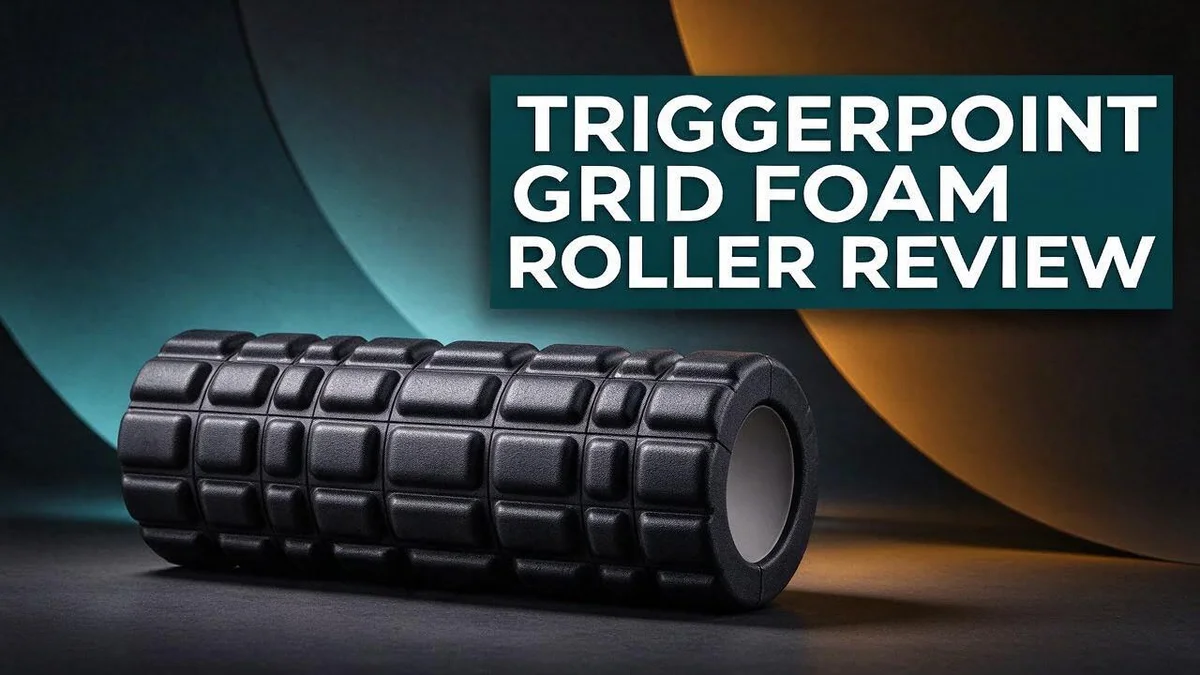
Sore muscles can slow you down fast. A good foam roller can help you feel loose and ready again. The TriggerPoint GRID Foam Roller is a popular pick for home workouts. It has a patented design with a grid pattern and grooves.
The brand markets it for use before and after activity. It also says beginners can use it with ease.
Does the grid really make a difference? One user found the grooves helpful on knots, and rated it above a smooth roller. Another preferred a simple PVC pipe and lacrosse ball.
In this review, we look at how it feels, who it suits, and whether it belongs in your routine. Let’s take a closer look.
In a Nutshell
- Built for muscle relief: The TriggerPoint GRID combines a patented multi-density foam design with a grid pattern and grooves. Brands market it for use before and after activity.
- Made for beginners: The roller is marketed as suitable for new users. Anyone starting a self-massage routine can use it with ease.
- Grooves target tight spots: One user found the grid pattern useful on kinks and knots. That user rated it above a smooth foam roller.
- Not a universal winner: Some users feel the results do not match the cost of a basic setup. One Reddit user preferred a PVC pipe and a lacrosse ball for the same job.
- Compare your options: Smooth PVC rollers, massage balls, and hand-held rolling sticks all offer similar benefits. Massage guns and acupressure mats serve as other popular alternatives.
- Who should buy it: Those who want a structured foam roller with texture may find it useful. Shoppers who want a simple tool may prefer a cheaper or more basic option.
Build and Materials

- IMPROVE MUSCLE RECOVERY – Multi-density GRID features a three-dimensional surface that provides...
- OPTIMIZED FOR COMFORT – Unique foam construction with proprietary Distrodensity Zones is perfect...

Last update on 2026-11-03 / Affiliate links / Images from Amazon Product Advertising API Some of the links on this website are affiliate links, which means that at no additional cost to you, I earn a commission if you click through and make a purchase. I only recommend products and services that I believe will add value to my readers. Thank you for your support!
Every foam roller starts with the materials used to make it. The TriggerPoint GRID uses foam with different density levels. This mix gives the roller a balance between support and give.
Density matters more than many buyers expect. A firm foam pushes back harder against tight muscles. A softer foam feels gentler on sensitive areas. Layered foam aims to offer both feelings in one tool.
The surface tells another story. The grid pattern creates raised ridges and open channels across the roller.
When you press your leg or back onto it, those ridges meet your skin in small points. This feels different from a smooth cylinder. Your weight spreads across a flat surface there.
Grooves can also change how pressure travels. Instead of one wide contact area, the grooves split the load into narrower lines. Some people may prefer this sharper texture when they want to focus on one spot. Your results will depend on your body and your comfort level.
Durability is another question to consider. Foam rollers take daily pressure, so the outer surface must hold its shape over time.
Look for signs of wear, such as flattening or peeling, after months of use. This review does not list exact dimensions, weight, or density numbers. Check the product details before you decide.
Cleaning is simple with most foam. Wipe the surface with mild soap and water, then let it air dry. Avoid harsh solvents that may break down the foam.
Weight and size also shape your experience. A longer roller can be harder to store or pack for travel. Check the length before you buy so it fits your space.
Think about your routine too. If you train at the gym, a sturdy roller may suit you well. If you stretch at home, a lighter roller might feel easier to handle. Both choices depend on how you use the tool each week.
Good build quality supports better habits. A roller you trust is more likely to use every day.
Grid Pattern and Massage Performance
Massage performance depends on how a roller meets your muscles. Many people judge it during the first few passes. The GRID offers a textured surface that works across larger areas.
Large muscles respond well to steady rolling. Thighs, glutes, and calves cover a lot of ground. Slow passes help the surface spread pressure across the whole muscle.
Pausing on sore spots adds extra value. Hold your weight on a tender point for about twenty to thirty seconds. Breathe slowly and let the muscle soften before you move on.
Different muscles need different pressure. The upper back often feels stiff after long hours at a desk. Place the roller under your shoulders and cross your arms over your chest.
Then roll slowly toward your mid back. Keep your hips lifted and your core gently engaged. This position helps you control the amount of weight you apply.
Avoid rolling directly over joints and bones. Keep the roller on the fleshy parts of your muscles. Skip the lower back and stay away from the front of the knee.
Know when a lacrosse ball may help more. One Reddit user preferred a PVC pipe and a lacrosse ball. A ball can press into one small spot with more focus.
Pick the right tool for the job. The GRID works well for broad sweeps across big muscles. A ball or stick may suit precise work on a stubborn knot near the shoulder blade.
Consistency matters more than any single feature. Short sessions done several times each week often beat one long session. Many people notice gradual change over several weeks.
Keep a simple log of which areas feel looser each week. This helps you spot patterns. You can then adjust your time on each muscle group.
Try a simple routine. Spend five minutes on your legs, then three minutes on your back. Stop if you feel sharp pain, and keep every movement calm and controlled.
Suitable Activities and Ease of Use
The GRID works well as a warm up tool. Short passes over the legs and hips can wake up tight muscles before a run or lifting session.
Runners often use it after a long session. Their legs may feel lighter the next morning after a gentle roll.
Yoga students can use it in a different way. Placing the roller under the hips before a floor stretch can make poses feel more comfortable.
Getting into position takes a little practice. Many beginners sit beside the roller first. Then they lower their body slowly onto it.
Setup takes almost no time. You place the roller on the floor, lean onto it, and begin. There are no cords, batteries, or charging steps to learn.
Balance is the main challenge. Your core and arms do much of the work. Keep your hands planted and your belly gently tight so the roller moves smoothly.
It fits almost any routine. You can use it at home, in a gym, or before a class. A session of five to ten minutes slides easily between tasks.
Start slow and build up. Try two minutes per area during your first week. Then add time as your muscles adjust to the pressure.
Older adults often find it useful too. Gentle rolling can ease stiffness in the legs. Always move slowly and stop if pain feels sharp.
Rest days are a good time to use it. Light rolling can help the body feel relaxed without a hard workout. Many people enjoy this calm routine while watching television.
Consistency matters more than intensity. Short sessions done often can beat one long session each week. Set a reminder if you forget.
Pair it with a timer or music. A simple timer keeps each area on track. Some people roll to their favorite playlist, which makes the time pass quickly.
Check your form in a mirror. Watching yourself helps you keep the roller steady. Small changes in posture can make each pass feel more even.
Top 3 Alternatives
Looking for a different foam roller? These three options each offer a strong alternative. Each one suits a different kind of routine.
Rumble Roller

- ORIGINAL DEEP TISSUE MASSAGE: Designed to provide effective muscle relief with a more balanced feel...
Last update on 2026-11-03 / Affiliate links / Images from Amazon Product Advertising API Some of the links on this website are affiliate links, which means that at no additional cost to you, I earn a commission if you click through and make a purchase. I only recommend products and services that I believe will add value to my readers. Thank you for your support!
The Rumble Roller adds vibration to your recovery routine. Its textured surface and vibration settings help loosen tight calves, quads, and hamstrings. Many people use it before a workout to warm up their muscles. It works well for anyone who wants a deeper massage without pressing too hard.
Hyperice Vyper

- Turn it up: The Vyper 3 energizes your muscles and gets you prepped for action. Massage away...
- Accelerated design: Built with your body in mind. The Vyper 3’s contoured design helps avoid...
Last update on 2026-11-03 / Affiliate links / Images from Amazon Product Advertising API Some of the links on this website are affiliate links, which means that at no additional cost to you, I earn a commission if you click through and make a purchase. I only recommend products and services that I believe will add value to my readers. Thank you for your support!
The Hyperice Vyper is another vibrating option. It offers several speed settings, so you can choose a level that feels comfortable. Its firm build supports sore backs, hips, and shoulders. Athletes often pick it for recovery days. It also helps you reach areas that are hard to press with your hands alone.
OPTP Pro-Roller

- Professional Quality Soft Foam Roller: Made with durable EVA closed-cell soft foam, perfect for use...
- Versatile: Use the PRO-ROLLER Soft Foam Roller for Pilates roller exercises, massage rollers for...
Last update on 2026-11-03 / Affiliate links / Images from Amazon Product Advertising API Some of the links on this website are affiliate links, which means that at no additional cost to you, I earn a commission if you click through and make a purchase. I only recommend products and services that I believe will add value to my readers. Thank you for your support!
The OPTP Pro-Roller takes a simpler approach. It has no motor, just a dense and smooth foam shell. This roller is a good choice for beginners. You can use it at home, at the gym, or while traveling. Its firm surface gives steady pressure, and it feels familiar if you prefer a classic roller.
Durability and Value
Durability starts with how the foam handles daily pressure. A roller that keeps its shape gives steady support across many sessions. The foam uses several densities to balance softness and firmness.
Think about how often you will use it. A daily routine puts more stress on the surface than a few sessions each week. Heavy daily use may wear the surface faster than light use. Pick a roller that fits your habits so it lasts longer.
Check the grooves after a few weeks of regular use. If the raised pattern looks worn down, the roller may not press as deeply as before. Replace it once the texture feels flat.
Real value comes from consistent use. A tool you reach for each morning gives more benefit than one that sits in a closet. Choose the roller you will truly enjoy using.
Storage also affects how long the roller stays in good shape. Keep it out of direct sunlight and away from heat sources. Strong heat can soften foam over time, so store it flat on the floor.
Many people compare this roller with simple options like PVC pipes or lacrosse balls. Those tools can work for light sessions. The GRID offers a structured surface that suits people who want steady results from week to week.
Your body also gives clues about durability. A roller that loses its grip or shifts under your weight may need replacing. Pay attention to small changes, not just big ones.
A well-kept roller can serve you for years. With simple care and mindful use, it can stay firm and effective through many training seasons. Think of it as a steady partner for recovery.
Pros and Cons
Pros
- The GRID is marketed for use before and after physical activity.
- It is designed to help improve muscle flexibility and mobility.
- Manufacturers present it as a good fit for beginners.
- One user found the grid pattern works well on kinks and knots.
- The textured surface can feel more effective than a smooth roller.
Cons
- One Reddit user found a PVC pipe and lacrosse ball more effective.
- Some people may prefer a simpler smooth surface.
- Other tools, like massage balls and rolling sticks, offer different options.
- Results can vary from person to person.
Who Should Buy It
Desk workers often feel stiff by the end of the day. A few minutes on this roller can loosen tight hips and the upper back. It suits people who sit for long hours.
Athletes who want a textured tool may enjoy this option most. The grid pattern and grooves feel different from a plain surface. Many runners and cyclists like targeting tight calves and thighs.
People who like control over pressure can shift their weight easily on this roller. They can roll slowly or press harder on one spot. This gives them more say in how each session feels.
Parents with spare time between tasks may squeeze in a quick session. Even five minutes can feel helpful. Fitness fans who track their progress can also note how each session feels. Over several weeks, they may spot changes in tightness.
Curious people who enjoy trying new fitness tools will likely find this roller interesting. It offers a fresh texture compared with standard rollers. A short trial can answer many questions. Try a few sessions and notice how your muscles respond.
This roller may not suit everyone. People with very sensitive skin may want to test the texture first. Those who prefer a quiet, simple tool might choose a plain surface instead.
Small living spaces may not leave room for rolling. Frequent travelers should check the size before packing it. Anyone with a recent injury or a health condition should speak with a doctor first.
Mood matters too. Many people feel calmer after slow, steady rolling. Your goals matter most. If you want a firm, textured roller for daily use, this one fits well. Choose the tool that feels right for your body.
Final Verdict
Our verdict is that the GRID earns a spot on the list, but not automatically. It offers a varied surface that a smooth roller cannot copy.
The best way to judge it is to ask one question. Does this surface help my body feel looser after a session? Your answer matters more than any product claim.
Mixed feedback deserves real attention. One reviewer preferred a simple pipe and a lacrosse ball. That result shows that everyday household items can compete with specialty gear.
Some details remain unclear. The research does not confirm exact dimensions, weight, or density values. Check those specs on the product page before you commit.
Think of this roller as a targeted tool, not a cure. It supports a stretching routine. It does not replace medical care for ongoing pain.
Try a short test first. Use it for a few minutes after a workout. Notice how your muscles respond over the next day.
Set a simple test plan for two weeks. Roll for five minutes after each workout. Write down how tight your calves or back feel each day. Notes make the decision clearer than guesswork.
Look for a return option. A clear return policy protects you if the feel does not suit you. Read the terms before you order.
Compare it with other options before you decide. Massage balls give pinpoint pressure. Rolling sticks offer control without holding the roller. Massage guns deliver a different kind of force. Each choice suits a different goal.
Pick the GRID if you want a textured roller for before and after activity. Skip it if gentle pressure is your main goal. That choice keeps your routine simple and enjoyable.
Ask others for their honest feedback. Friends who train often can offer useful tips. Online communities also share real user reviews.
The final call comes down to your own experience. Your comfort level matters most here. Give the roller a fair trial and trust what your body tells you.
Frequently Asked Questions
Is the TriggerPoint GRID good for beginners?
Manufacturers present it as a good fit for beginners. The grid pattern gives a textured surface, so new users can start with light pressure and build up over time.
Does the grid pattern work better than a smooth roller?
One user found the grid pattern works well on kinks and knots. Some people may prefer a simple smooth surface, so your own comfort decides which feel is right.
When should I use the GRID roller?
The GRID is marketed for use before and after physical activity. It is designed to help improve muscle flexibility and mobility. Roll for about five minutes after each workout to see how it feels.
Are there alternatives I should consider?
Yes, and they are worth a look. One Reddit user preferred a PVC pipe and a lacrosse ball. Massage balls and rolling sticks also offer different options for targeting tight spots.
Can I return it if it does not suit me?
You can protect yourself by checking the return policy before you buy. A clear return option gives you room to test the feel. People with very sensitive skin should test the texture first.

Hi, I’m Elowen Porter, the creator of GreenLight.blog.
I share honest reviews and insights on supplements and Amazon health products to help you make smarter wellness choices.
With a passion for natural living and evidence-based products, I dig deep to find what truly works.
My goal is to simplify your supplement search with real results and trusted recommendations.
Let’s make healthy living a little easier—one product at a time.