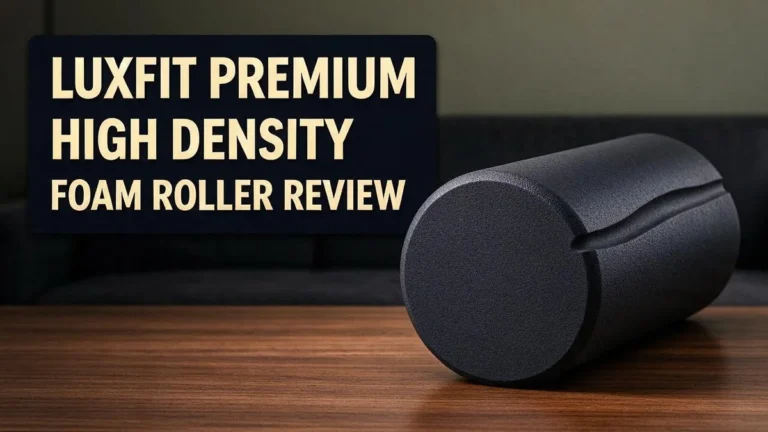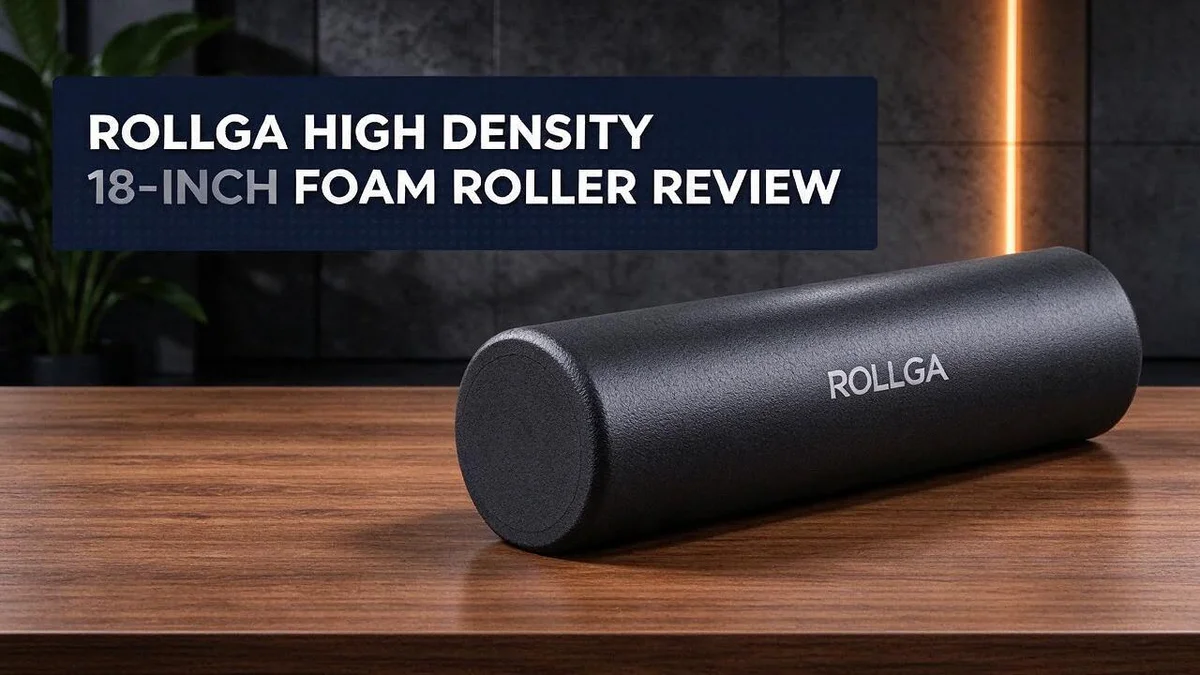
Rollga High Density 18-Inch Foam Roller Review 2026
Sore muscles can slow you down fast. A good foam roller helps you recover, and many people reach for one after every workout. But which one should you pick?
The Rollga foam roller stands out for its compact size and light weight. Its 18 inch length lets you roll your entire spine with confidence. The contoured shape also aims to keep pressure off bones and tendons.
Many shoppers want a roller that feels firm yet comfortable. The Rollga line includes a standard medium density version and a firmer PRO model. One review suggests starting with the lightest density.
In this review, we look at how the roller performs, who it suits best, and where it falls short. Keep reading to find out if this roller belongs in your routine.
In a Nutshell
-
Full spine coverage: The 18 inch length lets you roll your entire back in one smooth motion. You can work the whole spine without feeling like you slide off.
-
Deeper rollouts on the PRO: PRO users report deeper rollouts. They also find it easier to target specific muscles, which helps with tight or knotted areas.
-
Density needs a closer look: The sources do not confirm a high density model. The STANDARD version is medium density, so check the product details before you choose.
-
A gentle start helps: One reviewer suggests starting with the lightest density. Lighter pressure lets your body adjust before you add more force.
-
Pain may slow progress: One STANDARD user found anticipatory pain hard to push through. Some people may need time to build a steady routine that feels comfortable.
-
Durability is a question: One review notes the core may collapse and break down over time. The source does not say which model this affects, so reading recent reviews can help you judge long term wear.
Density and Firmness

- Back Pain Relief - Specially contoured for back pain, the unique patented design supports the spine...
- Enhanced Muscle Recovery - Experience faster muscle recovery with targeted pressure; ideal for...
Last update on 2026-11-01 / Affiliate links / Images from Amazon Product Advertising API Some of the links on this website are affiliate links, which means that at no additional cost to you, I earn a commission if you click through and make a purchase. I only recommend products and services that I believe will add value to my readers. Thank you for your support!
Firmness shapes how a foam roller feels under your body. It also controls how much pressure reaches your muscles. Many people press their hands into the foam first to judge this.
Your body weight changes the feel. A heavier person sinks deeper into the same foam. A roller that feels medium to one person may feel very firm to another. Think about your size before you choose.
Surface pattern also matters. A smooth roller spreads pressure across a wide area. A textured roller focuses pressure on smaller spots. The firmness you feel depends on both the foam and the surface.
Here is a simple hand test. Press your palm firmly into the roller. If it springs back fast, the foam feels firm. If the dent stays for a moment, the foam feels softer and gentler on sensitive areas.
Competitors offer a useful reference point. Amazon Basics is listed as a high density roller. The OPTP PRO Roller Soft takes a gentler approach. The RumbleRoller Medium sits in the middle for shoppers who want balance.
Different body areas also respond in different ways. Calves and glutes often handle firm pressure well. The upper back and the outer thighs usually need a softer touch.
You control pressure with your own body. Bending one knee or crossing one leg over the other adds weight. Shifting your hands also changes intensity. This lets you adjust the effect even on a firm roller.
Match firmness to your goals. Beginners often do best with a softer feel. Athletes who want deeper pressure may prefer a firmer surface. Your comfort should guide the final choice.
Try rolling slowly for a few minutes at first. Notice how your muscles respond. Then adjust your pressure or your roller choice as you learn what works best for you. A firm roller is not always better. The right density feels challenging but still manageable.
Shape and Contour Design
Shape matters just as much as size when you pick a foam roller. The Rollga design uses a contoured profile instead of a plain cylinder. This curve helps the roller follow the natural lines of your body.
The rounded edges keep pressure off sensitive spots. Many people feel sharp pressure when a hard edge meets bone. Softer curves let the roller sit on the meaty parts of the muscle instead.
Contour also changes how the roller tracks. A rounded surface can rock slightly under your weight. This small movement helps you find the sweet spot along your hamstrings or calves. Keep your hands steady and let the curve guide you.
Think about where you plan to roll. The upper back and lats often need a steady, even surface. The glutes and outer thighs may need a little more control. Shifting your weight side to side helps you cover each area with care.
Your body position changes how the shape feels. Lying flat on the roller gives the most even contact. Rolling on your side turns the curve into a narrower point of contact. Try both positions so you know which one suits each muscle group.
Watch the lower back and neck closely. The curve suits the mid back well, but the lower back needs gentle care. Keep the neck out of the roll entirely. Stop if you feel sharp pain or numbness.
The contour also suits people who sit for long hours. Desk work tightens the chest and hip flexors. A rounded roller can open these areas with light pressure. Breathe slowly and let the muscle soften over time. Short sessions work well for beginners. Take your time with each position.
Shape also affects how often you roll. A comfortable curve invites longer sessions. Many people stick with a roller that feels smooth and steady. Consistency often brings the best results over several weeks.
Portability and Size
Portability often decides whether you use a foam roller at all. This roller feels light in your hands. Carrying it from room to room takes almost no effort.
It slides into a gym bag without crowding out your towel or water bottle. Many people keep a roller in the car for quick sessions after a long drive. A small size makes that habit simple.
Travel adds another layer. Hotel rooms often have limited floor space. A compact roller fits beside a suitcase and does not take over the room.
Storage at home is easy too. You can stand it upright in a closet corner or slide it under a bed. Small apartments benefit most from this kind of footprint.
Size also changes how much room you need to roll. You only need a small patch of floor to lie down. Keep clear space on both sides so you can shift your weight safely.
Think about your daily routine before you choose. If you commute, train at a gym, or travel often, portability matters more. If you roll mainly at home, storage may matter less.
Check the length against your bag or trunk. Measure the space you plan to use. A quick check prevents frustration at the gym.
Light tools get used more often. People who carry their roller tend to roll on more days each week. Consistency often matters more than the exact model you pick.
Weight also affects how you move the roller around the house. A lighter build means you can pick it up with one hand. That ease keeps the habit going.
Top 3 Alternatives
Looking for a different foam roller? These three options offer strong choices for muscle recovery and daily mobility. Each one suits a different need.
TriggerPoint GRID

- Precise, Targeted Pressure: Nureda’s trigger point massage tool’s hook-shaped design hits...
- Detachable and Lightweight: Unlike other bulky and unwieldy massage canes, our massage hook weighs...
Last update on 2026-11-03 / Affiliate links / Images from Amazon Product Advertising API Some of the links on this website are affiliate links, which means that at no additional cost to you, I earn a commission if you click through and make a purchase. I only recommend products and services that I believe will add value to my readers. Thank you for your support!
The TriggerPoint GRID is one of the most popular foam rollers available. It has a textured surface with raised ridges. These ridges help you target tight spots in your legs, back, and hips. Beginners often find it a great starting point because it is easy to control.
Rumble Roller

- ORIGINAL DEEP TISSUE MASSAGE: Designed to provide effective muscle relief with a more balanced feel...
Last update on 2026-11-03 / Affiliate links / Images from Amazon Product Advertising API Some of the links on this website are affiliate links, which means that at no additional cost to you, I earn a commission if you click through and make a purchase. I only recommend products and services that I believe will add value to my readers. Thank you for your support!
The Rumble Roller brings a different feel to your routine. It has a bumpy surface with rows of knobs that massage your muscles. Many users say it feels like a session with a massage therapist. Roll slowly and breathe deeply for the best results.
Hyperice Vyper 2.0

- Lightweight (3 lbs), Cordless – 2 hour battery life, Travel-friendly (TSA approved carry-on)
- High-torque 34W motor
Last update on 2026-11-03 / Affiliate links / Images from Amazon Product Advertising API Some of the links on this website are affiliate links, which means that at no additional cost to you, I earn a commission if you click through and make a purchase. I only recommend products and services that I believe will add value to my readers. Thank you for your support!
The Hyperice Vyper 2.0 adds vibration to your workout. You can choose from several vibration levels and modes. This feature helps loosen stiff muscles and may support recovery after hard training. It works well for athletes who want an advanced option. Charge it fully before use, and keep it away from water.
Comfort and Pain Tolerance
Comfort on a foam roller depends a lot on your mindset. Many first time users tense up before the roller even touches their skin. Slow breathing helps your muscles relax, so the roller can do its job.
Your pain tolerance also shifts from day to day. A sore leg after a hard run may feel more sensitive than it did last week. Check in with your body before each session.
Discomfort and pain are not the same thing. Discomfort feels like a deep tightness that slowly eases. Sharp, burning, or shooting sensations are different. Those signals mean you should ease off right away.
Numbness or tingling deserves extra attention. If a limb feels strange, stop rolling and rest. A short walk often clears the feeling within minutes. If it lingers, talk with a doctor.
Timing can change your comfort level too. Many people find that rolling after a light warm up feels smoother than rolling cold. Warm muscles often feel less tender during the first few passes.
Try this simple routine during your next session. Breathe out slowly as you sink onto one spot. Hold for a few breaths, then move a short distance. This pattern gives your muscles time to soften.
A thin mat under your body can also help on hard floors. It softens the contact with the ground and keeps your skin comfortable. Small changes like this can make a big difference.
Recovery days matter as well. Soreness that lasts several days may mean you pressed too hard. Give your muscles time to settle before you roll again. Gentle sessions every other day work well for most people.
Comfort grows with practice. Many users say the roller feels easier after a few weeks. Your body learns to accept the pressure, so the same session feels calmer over time. Patience pays off.
Durability and Long-Term Wear
Durability matters more than many people expect. A roller that loses its shape can change how every session feels. Good construction keeps pressure steady from the first week to the last.
The research points to one clear concern. A review notes that the core may collapse and break down over time. The source does not name the exact product, so treat this as a warning sign rather than a confirmed flaw.
Watch the surface first. Look for cracks, flaking, or a dented outer shell. These marks often appear before the core softens. Check your roller every few weeks.
Density can also shift with use. A roller that once felt firm may feel flat after months of pressure. Compare how it rolls today with how it rolled on day one.
The Rollga range includes a standard model with medium density and a PRO model described as hard foam. The research does not confirm a High Density model, so check the label before you buy.
Clean the roller often. Sweat, oil, and dust can slowly break down foam. Wipe it with a damp cloth and let it air dry fully. Harsh solvents can weaken the surface, so skip them.
Heavy daily use puts more stress on any foam. Short sessions give the material time to bounce back. Spreading your rolling across the week can help the foam keep its form longer.
Heat is another enemy of foam. A hot car trunk can soften the material and cause warping. Store the roller flat or upright in a cool room instead.
Brands use different materials and textures. Compare construction details across TriggerPoint, RumbleRoller, and 321 STRONG before you decide.
Know when to replace it. Replace the roller if you see deep dents, crumbling edges, or a hollow feel when you press. Persistent uneven support can also signal worn foam.
Long term use rewards a careful eye. Inspect, clean, and store the roller well, and it can serve you for many months.
Pros and Cons
Pros
- Full spine reach: The 18″ length lets you roll the entire spine.
- Many users feel steady and secure because they do not feel like they are falling off.
- PRO users report deeper rollouts during their sessions.
- PRO users say it is easier to target specific muscles.
- The contoured shape is designed to avoid bones and tendons.
Cons
- The “High Density” label is not confirmed, so firmness may not match your expectations.
- The standard model uses medium density, which feels softer than the PRO.
- The PRO model uses hard foam, which may feel intense for beginners.
Who Should Buy It
Rollga suits many people who want a simple foam roller. It works well for those who already know basic self massage. It also fits anyone who wants one tool for the whole back.
Beginners should start with the standard model. Its medium density feels softer, so the body has time to adjust. Think of it as a gentle first step. Some people move up to a firmer roller later.
Experienced users may prefer the PRO model. Its hard foam gives more pressure for dense muscles. Athletes who train hard often want that extra depth after a tough workout.
Runners and cyclists often feel tight calves and hips after long miles. This roller can reach those areas with simple, slow rolls. Move slowly and breathe steadily to get the most from each pass.
Desk workers can benefit too. A short roll across the upper back may ease the tightness that builds up during long hours of sitting. Keep early sessions brief.
People who work out at home need tools that stay ready. Keep the roller on the floor near a mat. Quick access makes it easier to build a regular habit.
People who hate carrying heavy gear will appreciate how light this roller feels in hand. It fits easily into a gym locker or a home closet.
Some shoppers want something gentler than any Rollga model. Other brands offer soft full length rollers that may feel more forgiving. Comparing a few options helps you choose with confidence.
This roller may not suit everyone. People with sharp or lasting pain should speak with a doctor or physical therapist first. A foam roller supports recovery, but it does not replace medical care.
Ask yourself one simple question. Do you want a firm tool for deep work, or a softer one for easy starts? Your answer points you to the right model. Read the model details before you buy.
Final Verdict
So, is the Rollga 18 inch foam roller the right pick for you? For many people, the answer is yes. It keeps things simple and easy to use.
Its biggest win is habit building. You can keep it by your bed or under your desk, so a quick session fits into your day.
Short sessions work best. Spend about two minutes on each area at first. Then add more time as your body adjusts to the pressure.
Pair the roller with light stretching after a run or a workout. Roll slowly, breathe deeply, and let each muscle soften before you move on.
Many people also roll before bed. Gentle rolling can help the body settle and may ease tension from a long day at work.
Travel days are another bonus. A roller fits in a carry on bag, so your routine can continue in a hotel room.
Track how you feel each week. Jot down which areas feel tighter and which ones loosen up. This simple log shows real progress over time.
Keep an eye on how you feel afterward. A little soreness is normal, but sharp pain is a clear signal to stop.
Anyone with a recent injury should speak with a doctor first. Avoid rolling over joints, bruises, or swollen areas.
If you want something gentler, a full length soft roller may suit you better. If you want deeper texture, a grid style roller could feel like a better match.
Your goals decide the best fit. Choose the roller that matches your comfort level and your routine. Then give it a fair chance for several weeks.
Results vary from person to person, so be patient with yourself.
Ready to start? Roll for five minutes tonight and see how your body responds. Small steps lead to real progress.
Frequently Asked Questions
Is the Rollga 18 inch roller good for first timers?
Yes, it can work well for a first roller. Start with light pressure. Roll slowly over one area for about 30 seconds, then add more weight as your body adapts.
Does the roller have high density foam?
The sources do not confirm a High Density model. The standard version uses medium density, and the PRO version uses hard foam. Check the product label before you buy so you know which firmness you get.
What if rolling hurts more than I expected?
Some users feel anticipatory pain before they even start rolling. This can make it hard to stick with a routine. Try shorter sessions and lighter pressure. Stop right away if you feel sharp pain or numbness.
How long will the foam roller last?
One review notes that the core may collapse and break down over time. The sources do not say which model this affects. Check your roller often for dents, flat spots, or a changed shape. Replace it if it no longer feels firm and even.
What other rollers can I try instead?
If you want a different feel, several options exist. The TriggerPoint GRID offers a textured surface that many people find effective. The RumbleRoller Medium has a deeper texture for targeted work. The Hyperice Vyper 3 adds vibration for a more intense session. Compare the texture and firmness with your own needs before you choose.

Hi, I’m Elowen Porter, the creator of GreenLight.blog.
I share honest reviews and insights on supplements and Amazon health products to help you make smarter wellness choices.
With a passion for natural living and evidence-based products, I dig deep to find what truly works.
My goal is to simplify your supplement search with real results and trusted recommendations.
Let’s make healthy living a little easier—one product at a time.