Nayoya Acupressure Mat and Pillow Set Review 2026
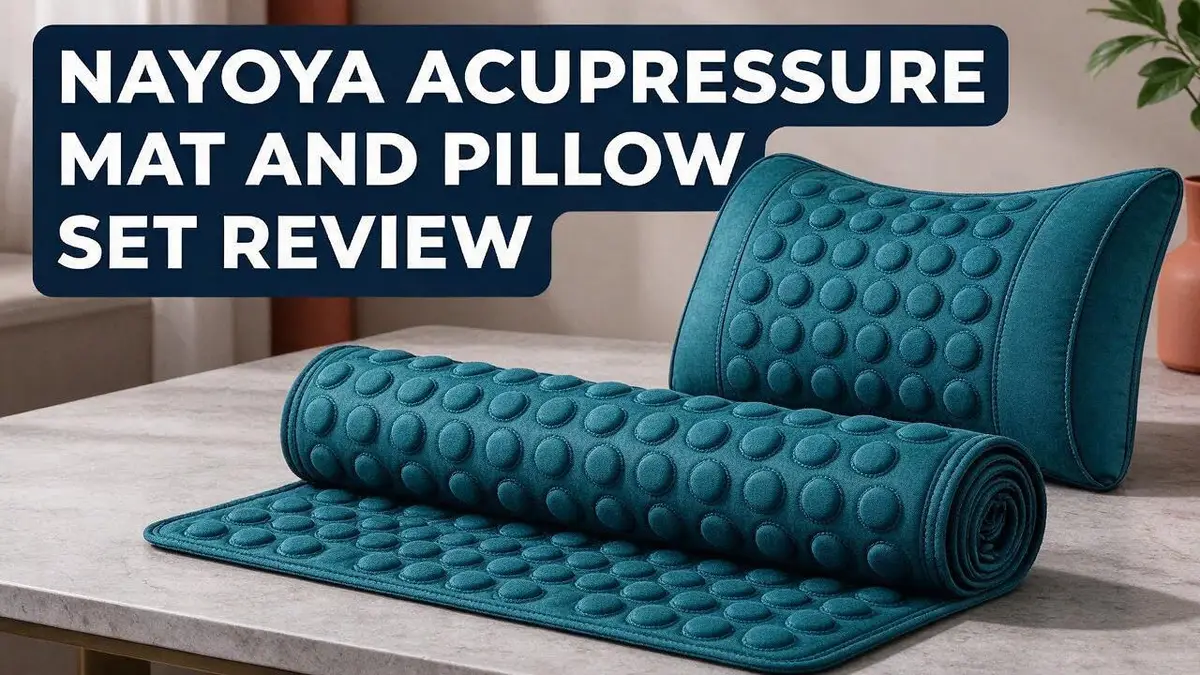
The Nayoya Acupressure Mat and Pillow Set promises a lot. The mat features 6,210 acupressure points that press into the back and shoulders. A neck pillow comes along for extra support.
Sellers say the set may help with back, neck, and sciatica discomfort. It may also ease stress and support muscle relaxation. Some users even say it feels great after a workout.
The mat uses polyurethane foam, linen, and cotton. Sellers describe it as portable, so you can take it along. Keep reading to see if this set is right for you.
In a Nutshell
- Packed with points: The mat features 6,210 acupressure points spread across its surface. The same set also includes a neck pillow, so you can work on your back and neck at the same time.
- Easy to carry: Some listings describe a portable design that fits into a bag. This makes it simple to take along on trips, to the gym, or to a friend’s home.
- Grip for stretching: Certain sellers call it a nonslip yoga mat. This feature may help you stay steady during gentle stretches or light workouts.
- Reviewer insight: One reviewer believes the spikes stimulate back points and release endorphins. Many people enjoy that calm, relaxed feeling after a session.
- No documented complaints: The current sources list no cons. The Amazon and eBay question and answer sections also stay empty, so you will need to test it yourself.
- Strong competition: The Kanjo set holds 4.1 stars from more than 5,000 ratings. Shoppers have proven options to compare before they decide.
Build and Materials

- PAIN REDUCTION: Naturally reduce muscle tension, back pain and headaches by laying on the mat daily...
- IMPROVED ENERGY: Nerve stimulation can be beneficial for those looking for faster post-workout...

Last update on 2026-11-03 / Affiliate links / Images from Amazon Product Advertising API Some of the links on this website are affiliate links, which means that at no additional cost to you, I earn a commission if you click through and make a purchase. I only recommend products and services that I believe will add value to my readers. Thank you for your support!
The build of this set shapes your whole experience. You feel the materials with every session, so they deserve a close look.
The mat relies on a raised surface packed with small points. These points press into the skin and muscles to create the sensation many people describe.
Start slowly on your first try. Many people lie on the mat for only a few minutes at first. Short sessions help your body adjust to the pressure.
The pillow works as a separate piece. It sits under your neck and supports your head while you rest on the mat.
Soft fabric covers the surface. Linen feels light and breathable against warm skin, which can help during longer sessions.
Foam adds a layer of cushioning beneath the points. This padding can ease pressure on bony areas like the hips, shoulders, and heels.
Stitching deserves attention too. Strong seams keep the cover in place when you stretch, roll, or shift your weight.
Durability remains unclear. The available sources include no long-term testing. No public data confirms how the foam holds up after months of daily use.
Check the cover before you buy. A removable cover makes cleaning easier, so confirm whether yours comes off.
Try the set on a flat floor. A stable surface keeps the mat from shifting during use.
Sensitive skin may need extra care. Place a thin towel between your body and the mat at first.
Compare the design with other sets on the market. Kanjo, Sivan, and ProsourceFit each offer their own layouts and finishes.
Good storage matters as well. A tidy setup makes it easier to keep the set near your bed or desk.
Pick the level that suits your body. Some people enjoy a firm feel, while others prefer gentle contact. Trust your comfort above all.
Pressure Point Design
The pattern shapes the feel. Spacing between the points decides how pressure spreads across your body. Tight rows often feel sharper than wider gaps.
Many mats place points in a grid. A grid gives even contact across the back. You may feel steady support in each zone.
The neck needs a lighter touch. Smaller contact areas let your head and shoulders settle without strain. Start with a folded towel for extra comfort.
Body position changes everything. Lying flat spreads your weight across many points. Sitting or kneeling focuses pressure on fewer spots. Move slowly between positions.
Lower back areas need extra caution. This region carries daily load from sitting and standing. Shift your hips gently to find comfortable contact.
Session length matters. Beginners often do well with five to ten minutes. Your skin needs time to adjust to the points. Longer sessions can come later.
Pair the mat with slow breathing. Long breaths help muscles soften under the contact points. Calm breathing also keeps sensations from feeling sharp.
Compare the layout before you choose. Kanjo and Sivan sets may use different point arrangements. Look at how dense the rows appear in photos. Focus on spacing, not just totals.
Watch for uneven height. Points should look consistent across the surface. Irregular spikes can press unevenly on your skin. Run your hand over the mat first.
You can also try the mat on your legs. Light contact on calves and feet may suit stretching days. Keep pressure gentle on tender spots.
Think about who benefits most. Office workers may enjoy the upper back zone. Athletes might focus on tight hamstrings after training.
Use a timer to avoid overdoing it. Stop when the sensation turns painful. Comfort should always guide your session length.
Your body guides the best layout. Test several zones and note which feel right. Choose the pattern that supports your comfort most.
Comfort and Use Experience
Comfort often starts with the first minute on the mat. Many people feel a sharp prickle at first, then the sensation fades as the body warms up.
Try wearing thin cotton clothing. Thick jeans or heavy fleece can block contact with the points. Light layers let the texture reach your skin.
Socks or bare feet both work well. Bare skin creates a stronger connection with the points, while socks soften the first contact.
Sitting on the mat feels different from lying down. Many users sit with their legs crossed for a short time. This gives the feet and hips a gentle massage.
Pillow placement changes the whole session. Place the pillow under the head when lying on your back. Let it support the natural curve of the neck.
Many people fold a towel for extra padding under the hips. This small change can make lying on the mat more comfortable for longer.
Warmth builds as the foam holds body heat. Some people find this cozy during cooler evenings. Others may want a thin blanket nearby.
Calm music can set a relaxing mood. Dim lights and a quiet room help the mind settle.
Keep a simple log of your sessions. Note how your back feels before and after. This helps you decide if the mat suits your daily routine.
Morning sessions may suit stiff bodies. Evening sessions may help you unwind after work. Choose the time that feels best for you.
Pressure can feel intense on the hands and feet. Rest your palms on the mat for support. Shift your weight slowly if a spot feels too strong.
Stop if numbness, tingling, or sharp pain appears. These signs call for a break. Speak with a doctor if you have a medical condition.
Top 3 Alternatives
ShaktiMat Acupressure Mat

- FEEL BETTER FASTER: This full size acupressure mat and pillow release tension to support stress...
- 20 MINUTES IS ALL IT TAKES: In the beginning it feels like lying on spikes, but after 2 minutes you...
Last update on 2026-11-03 / Affiliate links / Images from Amazon Product Advertising API Some of the links on this website are affiliate links, which means that at no additional cost to you, I earn a commission if you click through and make a purchase. I only recommend products and services that I believe will add value to my readers. Thank you for your support!
The ShaktiMat offers a simple way to relax. It has many small plastic spikes spread across a cotton mat. Many people use it after a long day to ease tight muscles.
Start slowly. Lie on the mat for about 10 minutes at first. Build up to 20 or 30 minutes as your skin adjusts. Wear a thin shirt during your first sessions.
Lotus Brands Acupressure Mat

- ACUPRESSURE RELAXATION: Designed with thousands of acupressure points to help promote relaxation...
- POST-WORKOUT RECOVERY SUPPORT: Acupressure stimulation can help support relaxation and recovery...
Last update on 2026-11-01 / Affiliate links / Images from Amazon Product Advertising API Some of the links on this website are affiliate links, which means that at no additional cost to you, I earn a commission if you click through and make a purchase. I only recommend products and services that I believe will add value to my readers. Thank you for your support!
The Lotus Brands mat works in a similar way. It has many plastic points that press on pressure points across the body. Its large size helps you cover your back, legs, and feet in one session.
Keep the mat on a firm floor for the best results. Many users find it helps them feel calm before bed.
Bed of Nails Mat

- THE ORIGINAL ACUPRESSURE MAT BRAND – Bed of Nails introduced the modern acupressure mat and uses...
- MORE NAILS FOR EVEN PRESSURE DISTRIBUTION – Approximately 10962 precision nails create thousands...
Last update on 2026-11-03 / Affiliate links / Images from Amazon Product Advertising API Some of the links on this website are affiliate links, which means that at no additional cost to you, I earn a commission if you click through and make a purchase. I only recommend products and services that I believe will add value to my readers. Thank you for your support!
The Bed of Nails mat takes a bolder approach. It uses pointed spikes that feel intense at first. This suits people who enjoy a strong sensation and want a deeper massage feel.
Go easy with this one. Place a towel between your body and the mat during early use. Never fall asleep on it. Stop right away if you feel sharp pain or notice marks on your skin.
Portability and Storage
The Nayoya set is marketed as portable. That makes it a good option for people who move between rooms or take a break at work.
Some listings describe a carry bag, so check whether your set includes one. A bag keeps the points protected while you walk or drive.
Confirm the packed size before you buy. Measure the space in your car or closet first. The mat should fit easily in your bag or trunk.
Plan a clear path to your storage spot. Clutter on the floor can make the set hard to grab. A clear route encourages regular use.
Roll the mat loosely from one end. Loose rolling seems gentler on the cover and keeps the points from pressing into each other.
Choose a dry spot for storage. Humidity can affect the foam and linen over time. A closet shelf or the space under a bed works well.
Keep the set away from direct sunlight and heat. Strong light can fade the fabric, and warmth may soften the foam. A cool room suits it best.
Wipe the surface before packing it away. Dust and skin oils can collect between the points. A dry cloth keeps the set fresh for your next session.
Keep both pieces together in one spot so nothing goes missing. A single bin or bag makes this easy.
Think about where you will use the set most. If you practice in the living room, a basket by the sofa saves time. If you travel often, keep it near the door.
Check the storage spot after a few weeks. Look for dampness, dust, or marks on the cover. Catching problems early keeps your set in good shape.
Simple habits make storage easy. Store the set in a dry, cool place, and it stays ready whenever you want a session.
Care and Durability
Good care keeps your mat feeling fresh for years. Start with a quick check of the spikes. Look for any points that bend, loosen, or feel unusually sharp.
Bent points can change how pressure feels on your skin. Gently straighten small bends with your fingers. Never use pliers or tools on the spikes, because they can crack or snap.
Seams take the most stress over time. Run your fingers along the edges once a month. Small loose threads are easy to trim before they grow into bigger tears.
Spot cleaning works better than soaking the cover. Mix a little mild soap with cool water. Dab the stain with a soft cloth instead of scrubbing hard.
Never use bleach or strong chemicals on the linen. These products can fade the fabric and weaken the fibers. Read any label that came with the set before you clean it.
Let every part dry completely before you store it. Trapped moisture can leave a musty smell in the foam. Give the pillow extra time, since its thick filling holds water longer.
Avoid placing heavy items on top of the mat. Constant weight can flatten the foam and reduce its bounce. Avoid folding it sharply at the same crease each time.
Pets and sharp objects deserve extra care too. Claws and pins can snag the cover or push into the foam. Keep the mat off the floor when pets roam the room.
Inspect the carry bag as well. Zippers and handles wear down with frequent trips. A small repair now can protect the whole set later.
Rotate how you use the set each week. Switching between sitting and lying positions spreads wear across the foam. Uneven use can create dents that stay in one place for good.
Keep a small repair kit nearby. Include a fabric patch, a few clean cloths, and a bottle of mild soap. Quick fixes stop small tears from turning into bigger problems.
Replace parts when damage grows beyond simple repairs. A worn pillow or torn cover may affect comfort and hygiene. Check with the seller about replacement options before you decide.
Pros and Cons
Pros
- Claims to target back, neck, and sciatica pain.
- The neck pillow adds support for the head and neck area.
- Some buyers say the spikes help them relax after a long day.
- One reviewer believes the mat’s spikes release endorphins.
- The set may help with post workout recovery and muscle relaxation.
Cons
- Independent reviews are hard to find for this exact set.
- Amazon and eBay Q&A sections have no buyer questions or answers.
- Competitor sets like Kanjo show far more customer ratings.
- Health benefits rest mostly on seller claims, not proven studies.
Who Should Buy It
Desk workers may find the set helpful. Long hours at a screen can tighten the neck and upper back. A spiked surface may offer a gentle change of pace for those muscles.
Curious beginners can start with this set. Acupressure is new to many people. The set lets you explore the practice at your own pace without joining a class.
People who sit or stand for long shifts may benefit too. Nurses, drivers, and teachers often feel stiff by evening. A short session on the mat could help them unwind before bed.
Those who want a handheld tool might look elsewhere. The mat asks you to lie down or lean on it. A handheld roller may suit people who want more control over pressure.
Anyone with a medical condition should speak with a doctor first. This matters for people with heart issues, pregnancy, or recent injuries. Acupressure may not suit every body, so a quick check helps.
Sensitive skin needs a test run. Start with a short session of five minutes. Watch for redness or soreness, then increase time slowly if your skin feels fine.
Shoppers who want clear results may need patience. Results vary from person to person. Give the set a few weeks before you judge it. Keep a simple log of how you feel.
People who enjoy hands on rituals will likely love it. Some users like a calm routine before sleep. Pairing a short session with soft music or deep breaths can deepen the experience.
The set suits relaxed, curious users best. It works well as a supplement to your routine, not a replacement for medical care. If you enjoy the sensation, it may become a regular part of your evening.
Final Verdict
Nayoya offers a simple way to try acupressure at home. The mat and pillow work together for the back and neck. Many people will find the setup easy to start with.
The biggest question is proof. Most health claims come from the seller, not from clinical studies. Independent reviews are hard to find, so buyers must set their own expectations. Seller claims sound exciting, but they lack independent testing.
Competitor sets offer more clarity. Kanjo has thousands of customer ratings, which gives shoppers more to compare. Sivan and other brands also offer similar layouts. Reading recent feedback from several sources helps you choose well.
Who should consider this set? Desk workers and people on their feet all day may enjoy a relaxing session. Those who want a quick tool for travel may like the portable design. Pick it if you enjoy hands-on self care.
Who should look elsewhere? People with serious or ongoing pain should speak with a doctor before relying on a mat alone. Shoppers who expect instant fixes may feel let down.
Our overall take is cautiously positive. The set suits people who want a gentle, easy routine. It does not replace medical care or physical therapy. Think of it as a helpful addition to healthy habits, such as regular walks and stretching.
Here is a simple way to decide. Read the return policy before you buy. Check recent photos and questions from actual owners. Ask yourself whether you will use it three or four times each week. If the answer is yes, the set may fit your routine.
Final thoughts: Nayoya gives a practical entry point into acupressure. The claims remain largely unproven, so treat results as personal and unverified. Stay patient, listen to your body, and enjoy the calm moments the set can bring.
Frequently Asked Questions
How do I use the mat for the first time?
Lie down on the mat with a light shirt on. Place the neck pillow under your head and stay still. Breathe slowly and let the points work at a gentle pace. Stop right away if you feel sharp pain or numbness.
Can I take the set with me when I travel?
Listings describe the set as portable, so it can travel well. Some versions include a carry bag, so check your listing to confirm what comes in the box. Pack the mat in a bag to keep it clean on the road.
What surface works best under the mat?
A firm, flat floor gives the best results. A soft mattress can shift the mat and make the points feel uneven. Many people also place a thin rug or towel on the floor for extra comfort.
How often should I use it?
Many people use the set in short sessions a few times each week. Begin with a few minutes and add time slowly. Let your body guide the pace. Skip a day if your skin feels sore, red, or itchy.

Hi, I’m Elowen Porter, the creator of GreenLight.blog.
I share honest reviews and insights on supplements and Amazon health products to help you make smarter wellness choices.
With a passion for natural living and evidence-based products, I dig deep to find what truly works.
My goal is to simplify your supplement search with real results and trusted recommendations.
Let’s make healthy living a little easier—one product at a time.