RumbleRoller Deep Tissue Foam Roller Review 2026: Is It Worth It?
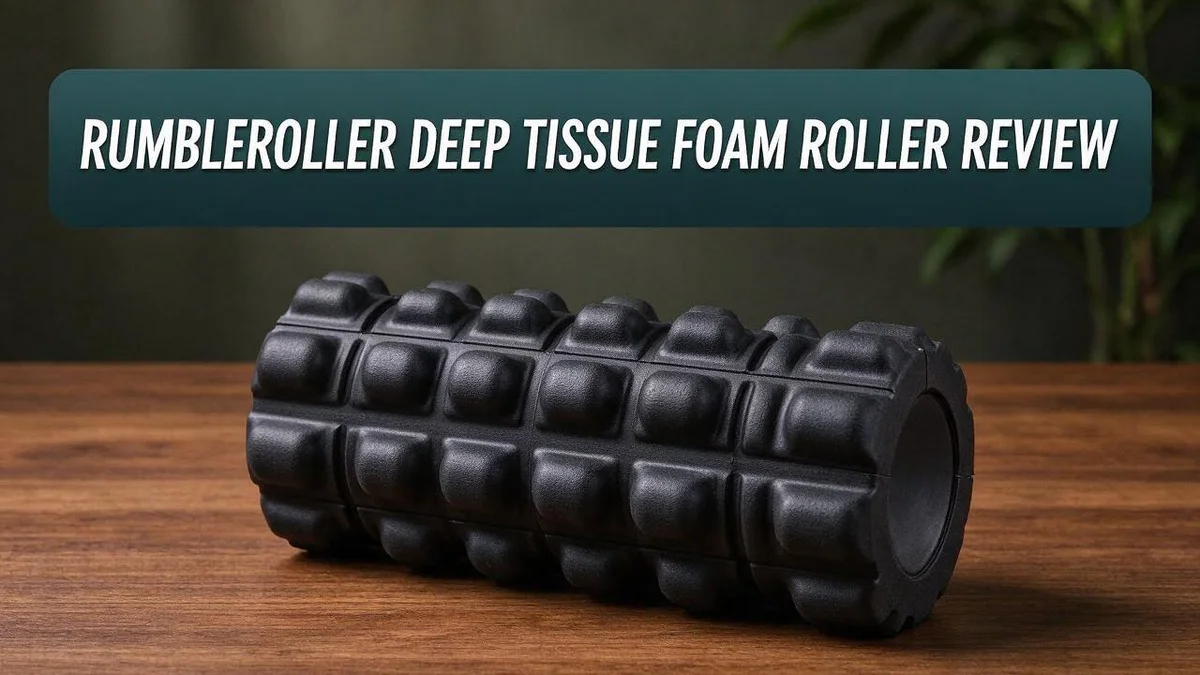
The RumbleRoller Deep Tissue Foam Roller stands out for one reason. Its firm, textured bumps work like a thumb pressing into tight tissue.
It comes in several sizes. You can pick a compact model for your gym bag or a larger one for bigger muscle groups.
Many people want relief that feels deep but still manageable. This guide covers the main features, everyday benefits, and how it compares to other top rollers.
In this review, you will see how it performs and who it suits best. Let’s take a closer look.
In a Nutshell
- Textured bumps mimic thumb pressure. The firm, flexible bumps work like a skilled thumb on tight spots. Each bump targets muscle knots with focused contact. Many users notice the difference after a few sessions.
- Tear resistance keeps it sturdy. This roller is stronger than many conventional rollers and holds its shape over time. Regular use does not wear it down quickly.
- The compact model travels well. At 13 inches long, it fits inside most gym bags. You can bring it to the gym, the office, or on a trip.
- A lifetime satisfaction warranty backs the compact model. Buyers get extra peace of mind. The company stands behind its product. Owners can use it with confidence over the long term.
- Experts rate the compact model 4.4 out of 5. That score shows strong approval from reviewers. Reviewers often praise its firm feel and sturdy build.
- Rivals take different routes. TriggerPoint GRID uses a rigid hollow core, while OPTP’s soft model suits beginners who want gentle pressure. Shoppers who want something softer should compare the options carefully.
Build and Materials

- ORIGINAL DEEP TISSUE MASSAGE: Designed to provide effective muscle relief with a more balanced feel...
Last update on 2026-11-03 / Affiliate links / Images from Amazon Product Advertising API Some of the links on this website are affiliate links, which means that at no additional cost to you, I earn a commission if you click through and make a purchase. I only recommend products and services that I believe will add value to my readers. Thank you for your support!
Every RumbleRoller starts with a build that comes from a clear design history. The original textured roller received its patent in 2009. That early design still shapes the current lineup today.
The build changes with each model. The lineup covers different body needs, so you should compare the models before you choose one. Each option uses a build that fits a specific job.
The original roller comes in 12, 22, and 31 inch lengths. Its bumps suit bulky muscle groups that need firm, deep pressure. The longer lengths give you more surface to work with at once.
The compact model takes a different approach. It comes in two densities, so you can pick the firmness that feels right for your body. Density is the main build choice you make. A softer feel helps beginners, while a firmer feel suits experienced users who want more pressure.
The 22 inch Xtra Firm model sits in the middle of the range. It offers a midsize frame and a firmer surface. Many people find it a good step up when a softer roller no longer feels like enough.
The 12 by 5 inch and 31 by 6 inch versions show how size affects the build. A wider roller spreads your weight across more muscle. A narrower roller lets you focus on smaller areas with more control.
Other models aim at thin tissue areas such as hips, soles, triceps, and lower calves. These smaller builds help you reach spots that a larger roller cannot cover well. So the brand designed its range around where the roller will go on your body.
In short, the build of each RumbleRoller matches a purpose. Think about your target area first. Then pick the length, density, and frame that fit that area best.
Texture and Deep Tissue Performance
Texture decides how a foam roller feels under your body. Smooth surfaces spread weight evenly across the muscle. Raised bumps concentrate pressure on smaller points instead.
That focused contact helps many people reach knots that feel stubborn. You can move slowly over a tight band and pause on the spot. Pressure builds gradually, so you stay in control.
Start with light pressure. Place your body weight on your arms or the opposite leg. Then add more force only when the muscle feels ready.
Breathing matters too. Slow breaths help muscles relax under the bumps. Many people tense up when pressure rises, which makes rolling feel harsher than it should.
Listen to your body during each pass. A dull ache is normal. Sharp pain, numbness, or tingling means you should ease off right away.
Session length also affects results. Two to three minutes on each area works well for most people. Longer sessions can leave muscles sore the next day.
Large muscles like the quads and glutes handle firm texture with ease. Smaller areas often need a gentler approach, so move slowly and check comfort.
Use the roller before your main lifts. Light rolling can prepare tissue for movement. Save longer sessions for rest days when muscles can recover.
Texture also affects how you feel afterward. Many users report a lighter feeling in the legs. Results vary, so treat each session as a personal experiment. Pause for a few breaths on tender spots to let the muscle settle.
Wipe the surface after each use. Dirt and sweat can build up in the bumps over time. A quick wipe keeps the texture working as intended.
Consistency brings the best outcome. Roll a few times each week and track how areas feel. Over time, many people notice smoother movement and less stiffness during training.
Size, Density Options and Portability
Size changes how a foam roller works for you. Think about the body areas you want to target before you pick a length.
Smaller rollers suit focused work. The 12 by 5 inch version may feel easier to control on tight spots. Many people use this size for calves, forearms, and other small areas.
Longer rollers cover more ground. The 31 by 6 inch version can spread pressure across the back and thighs in fewer passes. It works well for people who want broad coverage.
The 22 inch Xtra Firm model offers a practical middle option. It suits people who want one roller for several routines at home.
Density changes the feel under your body. Firmer rollers press deeper into dense muscle. Softer surfaces feel gentler, which helps when you are new to rolling.
The compact model offers two density choices. Start with the softer option if you feel sore after early sessions. Move to the firmer feel once your body adjusts.
Match the length to your main goal. Shorter rollers often fit the arms and lower legs well. Longer rollers help with the back and larger leg muscles. Pick the length that fits your current needs, then expand your collection later if you want more variety.
Longer rollers also take more floor space. Clear a spot that is at least as long as the roller plus your arm span. This keeps your movements safe and controlled.
Portability depends on your daily routine. Check your car trunk or luggage space before you commit to a length. A roller that fits your bag is useful only if you actually carry it.
Keep the roller near your workout area. Out of sight often means out of mind. A visible roller reminds you to use it before or after training.
Travel days need a plan too. Pack the compact model in a tote with your shoes. This keeps it easy to grab on the way out the door.
Top 3 Alternatives
If you want a different foam roller, these three options are strong picks. Each one offers a unique feel and training style.
TriggerPoint GRID

- IMPROVE MUSCLE RECOVERY – Multi-density GRID features a three-dimensional surface that provides...
- OPTIMIZED FOR COMFORT – Unique foam construction with proprietary Distrodensity Zones is perfect...

Last update on 2026-11-03 / Affiliate links / Images from Amazon Product Advertising API Some of the links on this website are affiliate links, which means that at no additional cost to you, I earn a commission if you click through and make a purchase. I only recommend products and services that I believe will add value to my readers. Thank you for your support!
The TriggerPoint GRID is a popular choice for deep tissue work. Its multi-density surface has ridges and grooves that target tight spots. Those ridges reach knots in your legs, back, and glutes.
The roller feels firm but not harsh. Beginners can start with light pressure and build up slowly. Many people like its sturdy build and simple design.
BLACKROLL Standard

- 📦 ELIMINATE SORE AND ACHING MUSCLES - This is an excellent product for eliminating sore & aching...
- 📦 STRESS RELIEF ON-THE-GO - BLACKROLL considers you not a customer but family, that’s why we...
Last update on 2026-11-04 / Affiliate links / Images from Amazon Product Advertising API Some of the links on this website are affiliate links, which means that at no additional cost to you, I earn a commission if you click through and make a purchase. I only recommend products and services that I believe will add value to my readers. Thank you for your support!
The BLACKROLL Standard keeps things simple. It has a smooth, firm surface and a hollow core. This roller is lightweight, so you can take it to the gym or on trips.
The smooth surface gives steady pressure without bumps. It works well for warm-ups and cool-downs. It also holds up well over time.
Hyperice Vyper 2.0

- Lightweight (3 lbs), Cordless – 2 hour battery life, Travel-friendly (TSA approved carry-on)
- High-torque 34W motor
Last update on 2026-11-03 / Affiliate links / Images from Amazon Product Advertising API Some of the links on this website are affiliate links, which means that at no additional cost to you, I earn a commission if you click through and make a purchase. I only recommend products and services that I believe will add value to my readers. Thank you for your support!
The Hyperice Vyper 2.0 adds vibration to your rolling routine. It offers several speed settings you can adjust. Vibration can help loosen sore muscles and ease tension.
Many athletes use it before workouts or after long training days. Some people find the vibration more relaxing than standard rolling. It needs charging, so plan ahead.
Durability and Warranty
Durability matters when you choose a foam roller. You want a roller that stays firm after months of use.
The RumbleRoller feels stronger than many conventional rollers. It resists tearing, so the surface holds up under heavy pressure.
It also retains its shape after repeated rolling. A roller that keeps its form delivers even contact across the muscle. Flattened foam loses its bumps. Once that happens, the roller feels less effective.
Heavy lifters and frequent users benefit most from this strength. Sturdy materials handle daily sessions without losing their feel.
The Compact model includes a lifetime satisfaction warranty. This promise shows that the company stands behind its product. A satisfaction warranty gives you peace of mind after purchase.
Read the warranty terms before you buy. Know what the coverage includes and how long it lasts.
Expert reviewers gave the Compact model a score of 4.4. That rating points to strong overall quality. Other brands also offer warranties, so compare coverage carefully. Look at the length of coverage and the claim process.
Good care extends the life of any foam roller. Store your roller in a dry place away from direct heat. Keep it away from sharp objects that could puncture the surface.
Avoid leaving it in a hot car for long periods. Check the surface for cracks or deep scratches now and then. Replace the roller if its bumps wear flat.
Durability and warranty work together. A tough build supports your recovery routine for longer. Warranty coverage adds another layer of confidence.
You can test the roller at home with confidence. Inspect it often and track any changes in firmness. Small checks help you spot wear early.
A durable roller saves you from frequent replacements. Pick a model with strong materials and a clear warranty. Long lasting gear makes every session easier to repeat.
Suitable Workouts and Target Areas
Every workout places different demands on your body. The RumbleRoller range covers many of those needs. Knowing where to roll helps you get the most from each session. Some areas need firm pressure, while others need a softer touch.
The original textured roller suits bulky muscle groups. Think of the back of the thighs, the hamstrings, and the upper back. These areas hold plenty of tissue for the firm bumps to work on.
Thin tissue areas need a different approach. The hips, soles of the feet, triceps, and lower calves all sit close to bone. Other RumbleRoller models target these spots with more precision.
Runners often feel tightness in the calves and hips after a long run. A few gentle passes over these areas can ease that tension. Cyclists tend to notice the same tightness in the hips and outer thighs.
Desk workers face a different challenge. Hours of sitting can leave the hips and feet feeling stiff. Rolling the soles each morning can help them feel lighter before a busy day.
Strength training days call for different targets. Rolling the triceps before pressing work may prepare the arms. Lower body days pair well with calf and hip work.
Older adults can also benefit from gentle rolling on the calves and hips. Slow, controlled passes keep the effort comfortable. Anyone with a medical condition should check with a doctor first.
Pick your target first, then choose your model. This simple habit keeps each session focused. Plan each session around one or two areas so you do not spread your effort too thin.
Athletes who train several days a week may rotate targets. One day can focus on the legs, while the next focuses on the arms. This rotation spreads the work evenly across the body and keeps progress steady.
Pros and Cons
Pros
– The engineered bumps mimic the pressure of a thumb.
– A patented design dating back to 2009 offers a proven track record.
– The compact model slips easily into most gym bags.
– Several sizes cover everything from small spots to full back rolling.
– The firm, textured bumps work well for deep tissue sessions.
Cons
– The original model suits bulky muscle better than thin tissue areas.
– The compact model offers only two density choices, which limits variety.
– The TriggerPoint GRID earned a higher overall rating in expert reviews.
– The research lists no drawbacks, so readers should check user feedback too.
Who Should Buy It
Shoppers who enjoy firm pressure may like this roller most. Its textured surface feels closer to a massage than a smooth cylinder.
New rollers should start gently. People who have never used a foam roller may find the textured bumps intense at first. A softer option like the OPTP soft model may feel more comfortable for beginners.
Fans of a firmer core may compare the TriggerPoint GRID. That roller has a rigid hollow core, which some users prefer for steady support.
Anyone with sore or bruised areas should pause before rolling. Deep pressure can irritate tender spots, so rest those areas until they heal. People with an injury, joint pain, or a medical condition should ask a doctor or physical therapist first.
Home exercisers with short sessions can also benefit. Ten minutes of rolling after a walk or before bed fits easily into a busy day.
Buyers with a clear goal will find this roller easy to choose. Pick it for dense muscles and firm, textured pressure. Look at other models if you want a gentle roll or a stiffer core.
Gift shoppers should think about the person first. Ask whether they already roll, and how firm they like their pressure. This small step helps you pick the right size and density.
Anyone who wants a warm up can roll before training. Spend a short time on each target, then move on to your workout. Keep the pressure light at first, and build up slowly over several sessions. Stop if the pressure feels sharp rather than sore.
Many people pair rolling with gentle stretching. Roll first, then stretch the same area to help you relax.
The bottom line is simple. This roller suits people who want firm, textured pressure and are ready for an intense session. Compare it with other options before you decide.
Final Verdict
After weighing everything, we think the RumbleRoller is a smart choice for many people. It offers firm, deep pressure that reaches tight areas. Expert reviewers also gave the Compact model a score of 4.4, which is a solid result.
Start with a simple plan. A roller only helps when you use it. Short sessions after work or before a workout can add up over several weeks. Regular practice matters more than owning the perfect model.
Consider the warranty too. The Compact model includes a lifetime satisfaction warranty. That gives you a safety net when you try a new recovery tool for the first time.
Use a schedule to track results. Two or three short sessions each week can build a helpful habit. Note how your muscles feel after a month. A simple log on your phone works well. Write the date, the area, and how it felt. Over time, patterns appear that guide your next choice.
Breathing makes a difference. Slow, steady breaths help muscles relax under pressure. Many people hold their breath without noticing. Try a few deep breaths during each roll.
Expect a short learning curve. Your first few sessions may feel awkward. The pressure settles down as your body adapts. Stick with it for two weeks before you judge the results.
Our final recommendation is clear. The RumbleRoller suits people who want firm, deep massage at home or on the go. Match the size to your main goal, and you can roll with confidence. Overall, it stands out as a practical tool for everyday recovery.
Frequently Asked Questions
Can the RumbleRoller handle hips and calves?
Yes, but the model matters. The research says other models target thin tissue areas like hips, soles, triceps, and lower calves. Pick the size that fits the spot you want to work on.
How long should I roll each area?
Roll slowly for about 30 to 60 seconds on each spot. Pause on tight areas and take a few slow breaths. Avoid rolling directly over joints or bones.
Will the roller hold its shape over time?
Yes. The research says it is stronger and more tear resistant than conventional rollers. It also keeps its shape, so the bumps stay firm with regular use.
Is there a softer option for beginners?
Yes. The OPTP Pro Roller Soft is rated best for beginners. If the textured bumps feel too intense, a softer roller may feel more comfortable at first.
Should I roll over bare skin?
Most people roll over workout clothes. The fabric adds a little cushion. Bare skin gives more direct pressure, so start with clothes on and adjust as your body gets used to rolling.

Hi, I’m Elowen Porter, the creator of GreenLight.blog.
I share honest reviews and insights on supplements and Amazon health products to help you make smarter wellness choices.
With a passion for natural living and evidence-based products, I dig deep to find what truly works.
My goal is to simplify your supplement search with real results and trusted recommendations.
Let’s make healthy living a little easier—one product at a time.