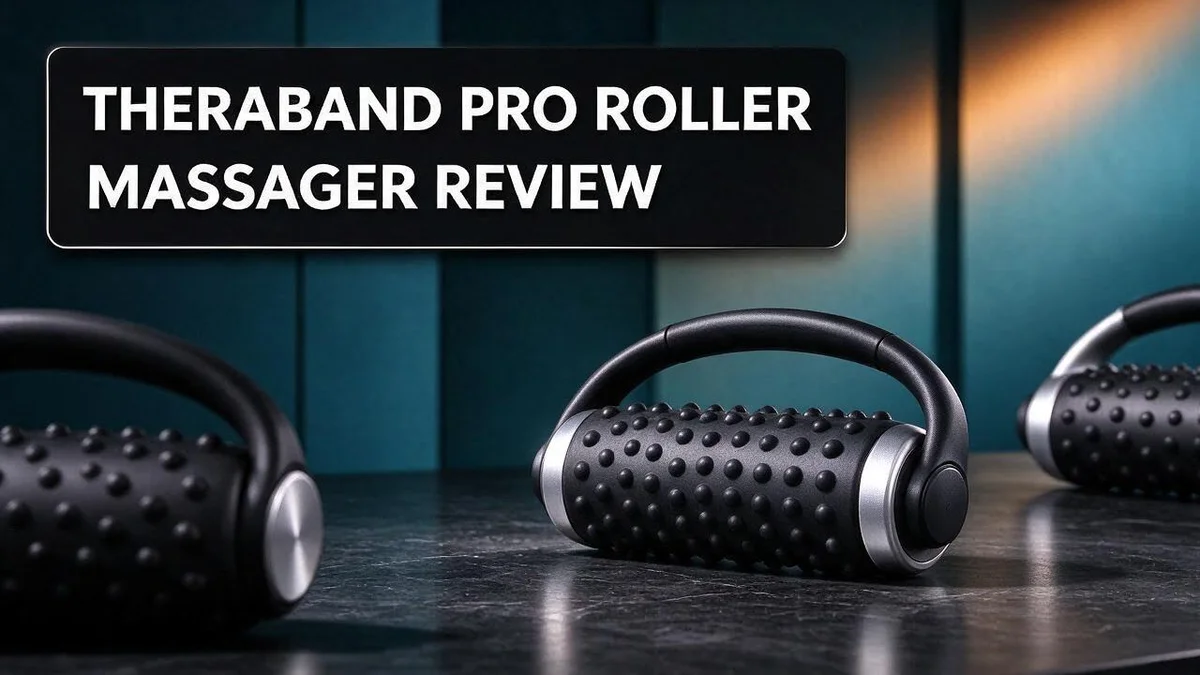
TheraBand Pro Roller Massager Review 2026: Worth Trying?
Sore muscles can slow you down. Whether you run, lift weights, or sit at a desk all day, tight legs and stiff backs are common. A handheld roller could be the easy fix you need.
The TheraBand Pro Roller Massager is a 21 inch muscle roller stick with a ridged surface. It targets the legs, back, and calves. Many people use it for myofascial release, trigger point relief, and recovery after exercise.
The ridged design grips the skin, so the massage can feel deeper. The maker also claims it may boost blood flow and improve flexibility. Keep in mind that most details come from retailer and manufacturer marketing.
Some listings name a “Standard” or “Plus” model instead of “Pro.” Check the product details before you order. In this guide, we explain how the roller works, who it suits, and what to expect from daily use.
In a Nutshell
Here is a quick look at what matters most.
• Made for targeted relief. The roller suits the legs, back, and calves. Many people use it after a tough workout to ease tight muscles.
• Supports myofascial release. This technique works on tight connective tissue. It also helps with trigger point relief in stubborn sore spots.
• Claims better circulation. The manufacturer says it boosts blood flow. It also says flexibility and range of motion may improve over time.
• Portable for easy use. Some listings describe the roller as easy to carry. You can use it at home, at the gym, or while traveling.
• Marketing is the main source. Most details come from retailer and manufacturer pages. No independent reviews or ratings exist yet, so the claims stay unverified.
• Ask for more proof. Read real user feedback before you decide. Honest experiences can show how well the roller works over several weeks.
Surface and Massage Feel

- 21" length roller massager to massage and lengthen muscles and fascia, increase flexibility, restore...
- The roller stick design delivers the perfect self-massage to promote optimal muscle health and...

Last update on 2026-11-03 / Affiliate links / Images from Amazon Product Advertising API Some of the links on this website are affiliate links, which means that at no additional cost to you, I earn a commission if you click through and make a purchase. I only recommend products and services that I believe will add value to my readers. Thank you for your support!
The surface does most of the work. The roller uses a ridged texture instead of a smooth tube. Each pass creates many small points of contact with the muscle.
Pressure depends on your body weight. You control the intensity by leaning more or less on the roller. Shifting your weight to one arm or leg adds force. Lighter pressure suits sensitive areas.
Expect a strong first session. Many people feel the ridges more on their first use. Your muscles need time to adjust. Start slowly and build up over several sessions.
Warm up before you start. Gentle movement wakes up the muscles first. Warm tissue often responds better to the ridges. Begin with a few light passes before you add pressure.
Feel changes across body areas. Calves and thighs often feel firm and dense under the roller.
The back needs more care because it has more sensitive spots. Keep the roller away from the spine itself. Focus on the muscles beside it instead.
Bare skin or clothing. Light clothing can soften the ridges. Clothing adds a buffer and reduces the intensity. Bare skin gives the most direct feel. Choose based on your comfort level and skin sensitivity.
Listen to your body. Mild discomfort is normal during a deep massage. Sharp pain means you should stop. Pause and reduce pressure if a spot feels too intense.
Find the right rhythm. Roll slowly and steadily. Pause on tight spots for a few seconds. Breathe deeply to help muscles relax.
Pay attention to the after feel. Notice how the muscle feels once you finish. Some people report looser legs, while others feel a light ache. Write down your notes for a few weeks.
The feel is personal. Some users may love the bold texture. Others may prefer gentler tools. Test it over several sessions before you decide. Give your body time to adapt to the new sensation.
Portability and Travel
Travel can leave your legs and back feeling stiff. Long flights and car rides often make muscles tight. A portable roller can help you loosen up wherever you go.
Think about your luggage first. A roller stick is long, so it needs open space in your bag. Slide it along the side of a suitcase or lay it flat beside your clothes. Check your airline size limits before you pack.
Hotel rooms make a simple spot for a session. You need only a small patch of floor. Place a thick towel or yoga mat underneath first. This keeps the area clean and gives you a steady surface.
Gym bags work well, too. Many people keep a roller with their workout gear. This keeps your recovery routine close by after training. You can use it at the gym, at home, or on the road.
Weight and folded size matter when you travel. The research does not list the exact weight of this roller. Look at the product page for the weight and dimensions before you buy. A lighter roller is easier to carry through airports and train stations.
Outdoor trips offer more options. Campsites, park benches, and hotel patios all give you room to roll. Bring a small mat if the ground feels hard or uneven.
Keep the roller clean on the go. Wipe the surface with a damp cloth after each use. Let it dry fully before you put it back in your bag. A clean roller stays fresh for the next trip.
Plan your travel routine ahead of time. Pack the roller in an easy spot, such as a top pocket or front compartment. Then you can reach it fast when your muscles start to tighten.
Targeted Use: Legs, Back, and Calves
The roller works well on three main zones. Each zone needs a slightly different setup, so start with the area that feels the most tight.
Legs first. Sit on the floor with the roller under your hamstrings. Place your hands behind you and lift your hips. Roll slowly from the back of your knee up toward your glutes.
Try a crossed leg position for extra pressure. Place the working leg on top of the other leg. This adds weight without standing up.
Calves next. Sit with the roller under your calves. Lift your hips off the floor and roll from your ankle to just below your knee. Point and flex your foot to shift the pressure.
Avoid rolling directly over the knee or the ankle bone. These spots have little muscle and can feel sharp.
Back last. Lie on your back with the roller under your upper back. Keep your hips low and bend your knees. Use your feet to push your body up and down slowly.
Never roll straight over your spine. Move the roller to one side, then move it to the other side. Stay on the thick muscles beside the spine. Work the lower back gently, because it can strain quickly.
Time each spot wisely. Spend about thirty seconds on each area. Return to a tight spot for a second round after the first pass.
Breathe slowly through each pass. Holding your breath makes muscles tense up, and the roller then feels harsher than it should.
Notice how each area responds. Some spots ease up fast. Others need several sessions before they soften.
Follow a simple order. Start with the legs, move to the calves, and finish with the back. This routine keeps your session easy to follow and helps you cover every zone.
Top 3 Alternatives
Hyperice Vyper 2.0

- Lightweight (3 lbs), Cordless – 2 hour battery life, Travel-friendly (TSA approved carry-on)
- High-torque 34W motor
Last update on 2026-11-03 / Affiliate links / Images from Amazon Product Advertising API Some of the links on this website are affiliate links, which means that at no additional cost to you, I earn a commission if you click through and make a purchase. I only recommend products and services that I believe will add value to my readers. Thank you for your support!
The Hyperice Vyper 2.0 is a vibrating foam roller that helps loosen tight muscles. It offers several vibration levels, so you can choose the intensity that feels right for you.
Many people use it before workouts to warm up. Others use it after training to ease soreness. It works well on larger muscle groups like the quads, hamstrings, and back.
TriggerPoint GRID Foam Roller

- IMPROVE MUSCLE RECOVERY – Multi-density GRID features a three-dimensional surface that provides...
- OPTIMIZED FOR COMFORT – Unique foam construction with proprietary Distrodensity Zones is perfect...
Last update on 2026-11-03 / Affiliate links / Images from Amazon Product Advertising API Some of the links on this website are affiliate links, which means that at no additional cost to you, I earn a commission if you click through and make a purchase. I only recommend products and services that I believe will add value to my readers. Thank you for your support!
The TriggerPoint GRID Foam Roller is a classic choice for daily recovery. Its textured surface uses multiple density zones to massage deep tissue. You can roll slowly over problem spots to release knots and improve flexibility.
This roller is lightweight and sturdy, so it fits easily in a gym bag. Beginners often find it a simple starting point for self massage.
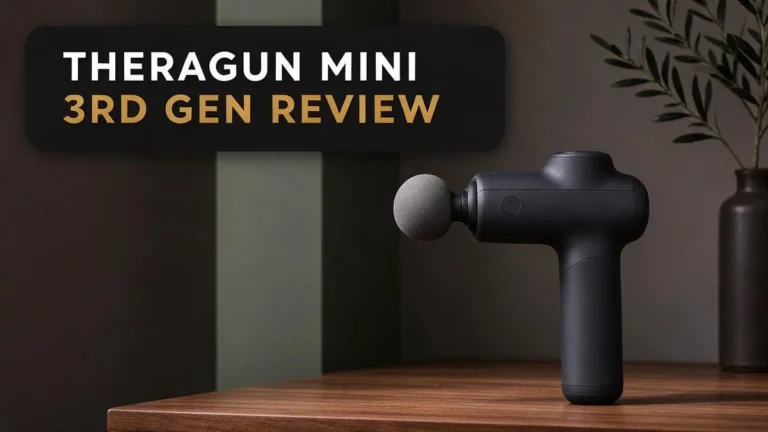
Theragun Mini

- Ultra-portable, travel essential for relief anywhere: Theragun Mini features circulation-boosting...
- Includes 3 high-quality, scientifically-designed attachments to target aches, pains, and tension all...
Last update on 2026-11-04 / Affiliate links / Images from Amazon Product Advertising API Some of the links on this website are affiliate links, which means that at no additional cost to you, I earn a commission if you click through and make a purchase. I only recommend products and services that I believe will add value to my readers. Thank you for your support!
The Theragun Mini is a compact percussive massager for people who want targeted relief. Its small size fits in a purse or backpack. It delivers quick bursts of pressure to sore spots in the neck, calves, and feet.
Use it for short sessions before or after exercise. Its quiet motor and handheld grip make it simple to use at home or at work.
Durability and Maintenance
Good care helps your roller last longer. Simple habits protect the surface and keep it working well for months.
Check the roller before each session. Look for cracks, loose end caps, or ridges that feel rough or peeled.
Stop using the roller if you spot damage. A broken part can pinch your skin or scrape your leg.
Store the roller in a dry place. Damp corners can invite mold and weaken the surface over time.
Keep it away from direct sunlight and heat. Hot cars and sunny windowsills can soften the material and fade the color.
Store it lying flat or hanging on a hook. This keeps the shape even and stops it from rolling off a shelf.
Use the roller on a clean mat or towel. Dust and gym floors can grind into the surface and wear it down faster.
Avoid oily creams and strong cleaners. These products may break down the material. Mild soap and water work better for a deep clean.
Let the roller dry fully after cleaning. Trapped moisture can cause odors and lead to damage.
Gentle care also protects your skin. Rough or cracked edges can irritate your skin during a session.
Pay attention to unusual smells or sounds. These signs can point to moisture or wear that needs attention.
Set a monthly reminder to review the surface, the ends, and the storage spot. A short check takes only a few minutes.
Replace the roller when the ridges flatten or the surface cracks. Worn parts can reduce grip and comfort during a session.
Check the model name on the label. Some listings use Standard or Plus names, so confirming the exact model helps you find the right care tips.
Regular care keeps your routine on track. A clean and sound roller helps you massage safely and comfortably every time.
Model Check: Standard vs. Plus
Model names can cause confusion. Many shoppers see the same roller listed under different names. The sources in our research mention two versions, called Standard and Plus. Neither source uses the name Pro, so a quick check is wise.
The Standard version appears on retail listings. An online store page describes it as a muscle roller stick. The listing focuses on the roller and its main uses. It gives first time users a clear starting point.
The Plus version appears in video listings. A video listing calls it Roller Massager Plus. The description highlights portability. That makes it a useful pick for people who move around often.
Portability matters more than many people expect. A roller that fits easily into a bag gets used more often. Think about where you plan to use it most. Home sessions and daily commutes may call for different features.
Confirm the model before you order. Look for the exact model name on the product page. Check the title, the photos, and the description together. Then compare these details with the label when the roller arrives.
Watch for mixed listings. Some sellers use one name in the title and another in the bullet points. If the details do not match, contact the seller first. Clear answers help you avoid an unwanted return.
Compare the features side by side. Make a short list of what each listing says. Note the stated uses, the size, and the portability claims. A simple table on paper can reveal gaps fast.
Ask yourself how often you will move it. If you rarely leave home, the Standard version may suit your routine. If you train in several places, the portable Plus option may fit better. Choose the model that matches your daily life.
Remember that marketing can differ. Retail and video listings come from sellers and the manufacturer. Read each claim with care. Look for a clear model name in every source before you trust the details.
Keep the model name in your notes. Write it down after your purchase. This small step helps you find the right support later. It also makes future comparisons much easier.
Pros and Cons
Pros
- Ridged surface grips the skin for a deeper massage feel.
- The roller works on legs, back, and calves in one tool.
- It helps with muscle tightness after a hard workout.
- The simple stick design needs no batteries or setup.
- Its portable size makes it easy to use at home or on the road.
Cons
- The ridged surface can feel harsh on sensitive skin.
- Deep pressure may feel too intense for first time users.
- No independent reviews or ratings are available yet.
- Most product details come from retailer and manufacturer marketing.
Who Should Buy It
Athletes and gym goers often feel tight muscles after hard training. This roller works on the legs, calves, and back. Runners, cyclists, and weight lifters may find it useful between sessions. Sore legs can slow down the next workout, so quick relief matters.
Desk workers face a different problem. Long hours of sitting can leave the back and calves stiff. A few minutes with the roller may help loosen those areas before or after the workday. Short breaks at work can reset the body.
People who like control often prefer tools they can shape themselves. The user picks the pressure, the speed, and the spot. This freedom suits anyone who wants to plan a personal recovery routine.
Older adults may enjoy a gentle way to keep muscles moving. Rolling the calves and legs may ease stiffness after a walk. A short routine several times a week fits most daily schedules.
People who stretch regularly may see this roller as a helpful partner. The brand claims it supports flexibility, so stretchers can test that promise over several weeks. Both tools aim to loosen tight muscles.
Households with several users may appreciate one shared tool. Everyone can follow the same simple routine without extra gear.
Anyone with ongoing pain should speak with a doctor first. A roller supports general muscle care, but it does not replace medical advice. Always check with a professional before adding new treatment to a pain plan.
Readers who rely on feedback from other owners may prefer to wait. Fresh reviews could give a clearer picture of daily use over time.
In short, this roller suits people who want a practical tool for common muscle tightness. It may fit less well for shoppers who need proof from independent testing before they commit. Think about your goals first, then decide.
Final Verdict
The TheraBand Pro Roller Massager looks like a promising tool for everyday muscle tightness. It keeps things simple with a stick design many people can use at home. The research points to clear strengths. Manufacturer claims include better blood flow and improved flexibility. These benefits sound appealing for active people and desk workers alike.
However, these claims come from marketing, not from independent testing. Independent proof is still missing. No third party reviews or ratings exist yet. Readers should keep that gap in mind before they trust every promise on the label. Trust grows when many people share honest experiences over time.
Model naming needs attention too. The sources mention Standard and Plus versions instead of Pro. Check the exact model name and compare the specs before you order. The research lists no cons, but that does not mean the roller has none. Start with light pressure during your first few sessions. This gives your body time to adjust.
Who should decide now? If you want a hands-on tool and can confirm the model, this roller may fit your routine. Who should wait? If you need feedback from other owners, wait for more reviews.
A simple routine works well. Roll slowly over each muscle group for a few minutes after training. Pause on tight spots, but avoid rolling over bruises or injuries.
Think of this roller as a support tool, not a replacement for stretching, rest, or professional care. Use it alongside healthy habits for the best results.
Final take: The roller offers a practical and simple option for common muscle tightness. Its claims sound appealing, but the proof remains thin. Confirm the model and set realistic expectations before you buy. Your own comfort should guide how long you use it.
Frequently Asked Questions
How long should a session last?
Most people keep each roll short. Start with about one minute on each area. Add more time as your body gets used to the pressure.
Should I roll before or after exercise?
You can use it both ways. Roll lightly before a workout to warm up the muscles. Save deeper rolling for after your session.
How do I control the pressure?
Your body weight sets the pressure. Lean in to press harder, or shift your weight to ease off. This control helps you find a comfortable level.
Where should I avoid rolling?
Stay on the soft muscle areas. Avoid bones, joints, and the spine. Stop right away if you feel sharp pain or numbness.
Will I notice a difference quickly?
Results vary from person to person. Regular use over several weeks gives you the best chance to notice a change. Track how your muscles feel from week to week.

Hi, I’m Elowen Porter, the creator of GreenLight.blog.
I share honest reviews and insights on supplements and Amazon health products to help you make smarter wellness choices.
With a passion for natural living and evidence-based products, I dig deep to find what truly works.
My goal is to simplify your supplement search with real results and trusted recommendations.
Let’s make healthy living a little easier—one product at a time.